What’s the Real Cost of Employee Overload and How Do You Measure It?
Most organizations track what they can see.
You track performance. You track retention. You track absenteeism, engagement, burnout indicators, and perhaps even utilization of benefits.
But there is a major driver behind all of those metrics that often hides in plain sight: the personal pressures your people are carrying.
The cost of overload is not just emotional. It is operational. It is structural. It is financial.
And if you are not measuring it, you are almost certainly underestimating the real impact on your business.
I want to name something I have seen repeatedly across organizations. Companies leak performance and talent not because they do not care, but because they do not measure. Personal pressures like caregiving responsibilities, chronic health challenges, financial stress, and burnout do not always show up as “care” in your dashboards. They show up as absenteeism mislabeled as lack of commitment. They show up as burnout blamed on poor resilience. They show up as turnover dismissed as life changes.
But when you connect the dots, a pattern emerges.
These employees are not the exception. They are the backbone of your workforce. Ignore their reality and you lose money, loyalty, and trust.
So let’s talk about where the cost hides, why traditional HR metrics often miss it, and how to start measuring what matters so you can make a strategic case for investing in human sustainability.
Five Areas Where the Cost Hides
1) Turnover and Replacement
When employees feel unsupported in managing life’s demands, they leave. Sometimes quietly. Sometimes abruptly. Always at a cost.
Turnover is one of the most visible and expensive outcomes of overload, yet it is often explained away with vague language. “It was just personal reasons.” “They needed a change.” “They were not a fit anymore.”
But personal pressures are often the real driver underneath those explanations. When someone cannot sustainably manage both their job and their life responsibilities, the decision to leave becomes a survival strategy.
What to look for is not just overall turnover. Look for patterns.
Pay attention to mid-career exits without clear advancement issues. Watch for higher turnover among employees in their 30s through 50s, when caregiving and family responsibilities often peak. Track how often “personal reasons” appears in exit notes without follow-up.
If your data shows a concentration of exits in those groups, that is not random. That is a signal.
2) Absenteeism and Presenteeism
Overload often shows up as absenteeism, but it also shows up as presenteeism, which is harder to measure and often more expensive.
Absenteeism is easier to spot. You see unplanned absences. You see missed meetings. You see scheduling disruptions. But presenteeism is when someone is physically present while mentally and emotionally depleted. They may be “at work,” but their capacity is compromised. They are slower. They make more errors. They withdraw. They stop contributing the way they used to.
Most organizations do not track this directly, so it is treated like a performance issue rather than an overload issue.
What to look for includes frequent unplanned absences, decreased participation, and quiet disengagement over time. If you are only tracking hours, you will miss what is happening underneath those hours.
3) Performance Degradation
Most employees want to perform well. When performance drops, it is rarely because someone suddenly stopped caring. More often, it is because the demands of life and work have become unsustainable.
Underperformance is often unsupported performance.
The signs can look like missed deadlines, incomplete follow-through, or a sudden withdrawal from stretch projects and leadership opportunities. People stop volunteering. They stop pushing for growth. Not because they have no ambition, but because they are protecting what little capacity they have left.
When this happens, organizations often default to coaching plans or accountability conversations without asking the deeper question: what changed in this person’s life load, and what is the organization doing to support sustainable performance?
4) Lost Innovation and Engagement
When someone is under strain, their creativity often goes first.
Innovation requires energy, psychological safety, and mental space. If an employee is constantly juggling care responsibilities, health challenges, or chronic stress, they may still be completing tasks, but they are less likely to bring forward new ideas, challenge assumptions, or propose improvements.
Employees under strain are problem-solvers waiting for capacity. When you support them, they bring creativity, resilience, and insight back to the table. When you do not, they disengage. Support keeps ideas flowing. Neglect shuts them down.
This is one of the hidden costs that does not show up clearly in a report, yet it shapes the long-term competitiveness of your organization.
5) Reputation and Recruitment
Your internal culture always leaks.
When people feel penalized for life circumstances, that story spreads. It spreads through informal networks, referrals, and recruiting conversations. It spreads through online reviews and reputation. It spreads when a competitor actively targets your burned-out talent.
Culture becomes either a magnet or a repellent.
If employees do not believe they can balance life realities without career penalty, you may not only lose current talent, you may struggle to attract future talent. Recruitment becomes harder, more expensive, and less predictable.
The Visibility Problem
Here is the challenge with measuring overload. Most of the most important data is self-reported, and most employees do not feel safe disclosing.
So leaders often say things like:
“We do not really have that issue here.”
“No one has raised it.”
“We offer support, but no one is using it.”
That is not proof of absence. That is proof of silence.
And silence costs more than you think.
How to Start Measuring What Matters
You do not need perfect data. You need honest questions and the will to act on what you learn.
Here are practical ways to surface the hidden costs.
Start by overlaying the metrics you already track with age and tenure. Look at exit rates, leave requests, absenteeism, and engagement scores by age band and by years at the company. Many employees in the 30 to 65 range are balancing care responsibilities, health needs, or family pressures. Patterns will appear when you look through that lens.
Next, add life-balance questions to engagement surveys. Instead of asking “Are you a caregiver?” ask invitational questions that allow people to share without disclosing details. Questions like, “Do you have personal or family responsibilities that affect your work availability?” or “How supported do you feel in balancing work and life demands?” These questions help you understand the load without forcing anyone to label themselves.
Then, update your exit interviews. Ask directly, “Did personal or family responsibilities influence your decision to leave?” and “Were there supports you felt were missing or underused?” These answers reveal what spreadsheets cannot.
Finally, track utilization of support benefits, but do not stop at usage rates. Look at what is being ignored, misunderstood, or poorly matched to the actual needs of your workforce. Sometimes a benefit is unused not because it is unnecessary, but because it is designed for a narrow set of circumstances. A backup care program that only covers children under a certain age may exclude employees supporting elders, spouses, or dependents with disabilities. That will never show up as a problem if the program is simply unused. It looks like disinterest. But it is actually a design mismatch.
Connect Data to Strategy, Not Guilt
The goal is not to guilt leaders into being nicer. The goal is to build strategy on truth.
When you connect human pressures to productivity, retention, culture, DEI goals, and recruitment costs, you gain leverage. You can speak in the language leaders understand. You can say, “We are not guessing. This is costing us, and here is how we reduce the cost while supporting our people.”
When you start measuring what matters, employee wellbeing stops being personal business. It becomes business intelligence.
And when you treat it that way, your organization starts responding instead of reacting. Your people stay not from obligation, but from loyalty.
If you want ongoing tools for translating care into measurable outcomes, I invite you to subscribe to the Workplaces That Care newsletter. I share evidence-informed strategies that help leaders build care-ready cultures, strengthen retention, and protect sustainable performance.
Together, let's build a workplace that CARES!
Dr. Anna Thomas
Explore More from Workplaces That Care
Read More: https://workplacesthatcare.com/blog
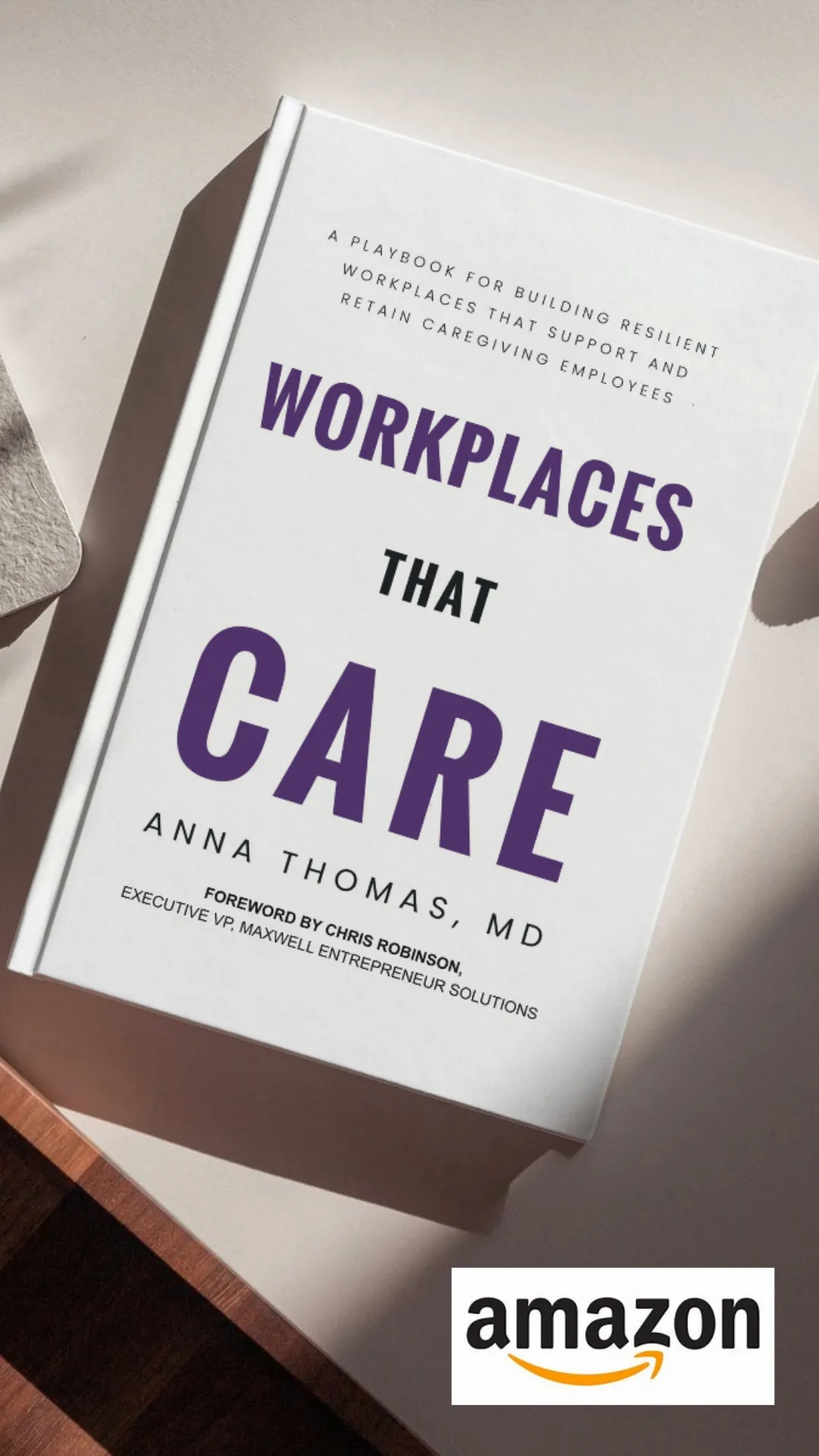
Workplaces That Care Book: https://amzn.to/49w0cl1
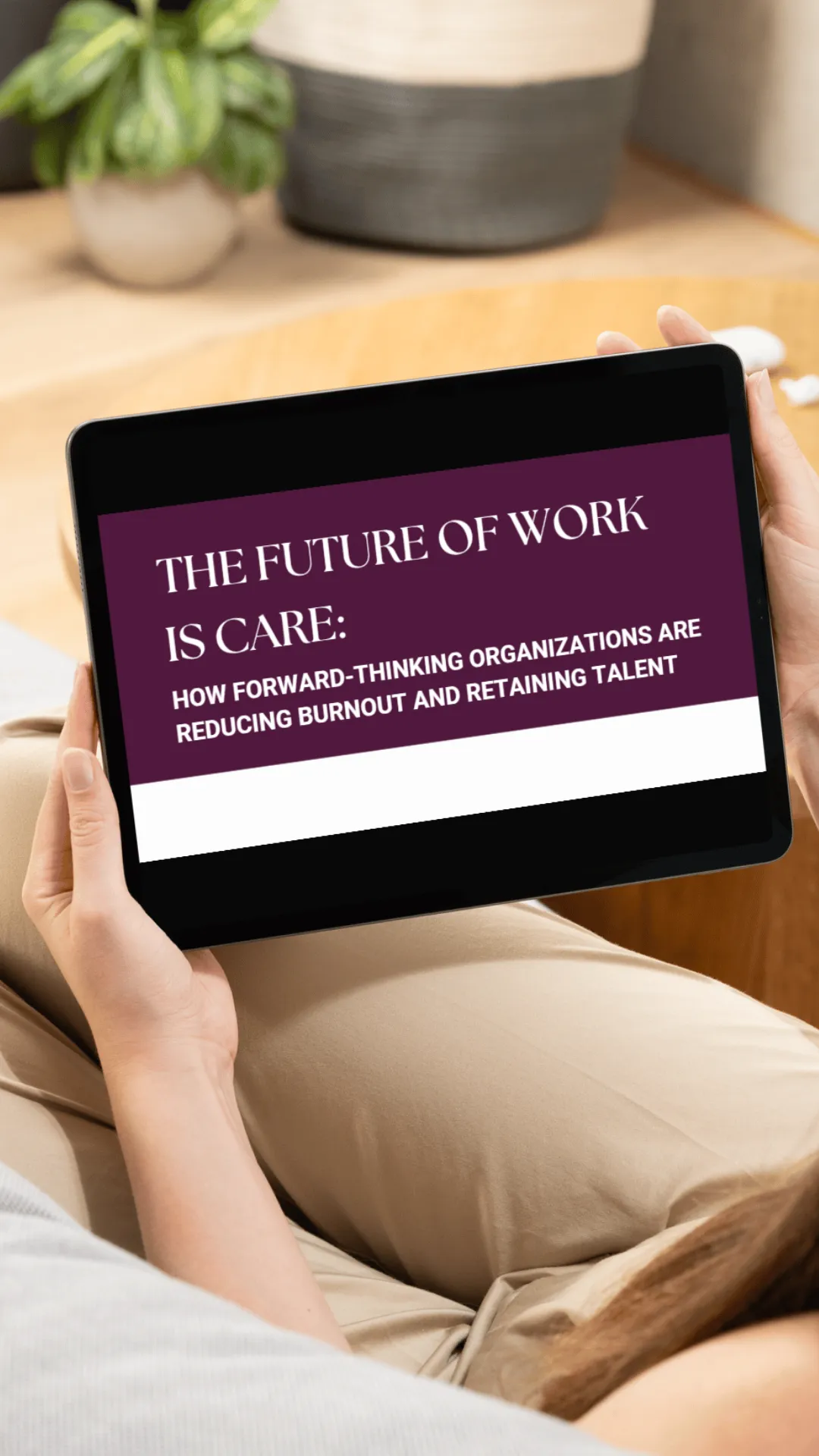
The Future of Work is CARE (free training): https://workplacesthatcare.com/webinar-registration
*Bio: Dr. Anna Thomas is a board-certified physician, TEDx speaker, workplace wellbeing strategist, and leadership coach who helps organizations strengthen culture, resilience, and performance in a changing world. As founder of LifeCare LeadHership and Workplaces That Care, she blends clinical insight with leadership development to teach practical tools for building supportive, care-ready workplaces. Her keynotes and trainings address workforce wellbeing, retention, burnout prevention, caregiving in the workplace, women’s leadership, and navigating life and work transitions. As the creator of the CARE Framework, she equips leaders to support the whole person so teams stay engaged, healthy, and committed. Audiences appreciate her grounded delivery, relatable stories, and clear, actionable strategies. Learn more or book Dr. Thomas at www.WorkplaceWellbeingSpeaker.com
The views and opinions expressed in this post are solely those of Dr. Thomas and do not reflect the views of any past or present employer. This content is for educational and informational purposes only and is not intended as medical or legal advice.