How Can AI Help Leaders Prevent Overload During Times of Change?
Change introduces a special kind of pressure.
People are still trying to do their work, care for their families, manage their own stress, and stay on top of shifting expectations. Even when change is positive, it takes energy. It asks people to learn, adapt, and emotionally recalibrate while still meeting deadlines.
Most employees will not say, “I’m overwhelmed.” They will say things like:
“I’m trying to keep up.”
“I’m fine, just a lot going on.”
“I don’t want to bother anyone with this.”
And leaders feel the weight too. The pressure to communicate clearly, stay optimistic, and guide others while navigating their own uncertainty is heavy. Leaders are often expected to be steady before they feel steady.
AI cannot remove the uncertainty of change. It cannot make hard decisions easier or guarantee outcomes. But it can help leaders create more clarity, better communication, and a more humane pace. It can reduce noise so leaders can support people.
In a Workplace That CARES, AI’s role is simple. It helps you remove friction so leadership can show up more fully.
The Human Problem Leaders Cannot Ignore
During change, employees carry questions they may not ask out loud.
How does this affect my role?
Will I still have support?
What do you expect from me now?
What is staying the same?
What is changing, and when?
Many employees hold these quietly because they do not want to appear resistant or anxious. They may worry that asking questions will mark them as negative, not agile, not committed. So instead of asking, they guess. They fill in gaps. They overwork to protect themselves. They attend every meeting just in case they miss something important. They keep their head down and their calendar full.
Leaders, meanwhile, are juggling meetings, new processes, shifting priorities, full inboxes, and limited time. They want to provide clarity, but they may not have it all yet. And the more uncertain the environment is, the more communication can become reactive and fragmented.
This is where overload grows. Not only from the work itself, but from confusion, duplication, and constant mental scanning.
AI is not here to replace leadership. It is here to support the work around leadership so leaders can do the work of leadership.
The Insight: AI Supports Clarity, Not Speed
One of the biggest mistakes organizations make during change is trying to communicate faster.
They send more emails. They schedule more meetings. They push more updates. But speed does not reduce anxiety. Clarity does.
Employees do not need more communication. They need clearer communication.
They do not need more meetings. They need fewer meetings with more purpose.
They do not need more tasks squeezed in. They need help prioritizing what matters most, and a shared understanding of what can wait.
When leaders use AI thoughtfully, it can support all three.
It can help you write cleaner updates, reduce misunderstanding, and streamline decisions. It can make responsibilities visible and reduce duplicate work. It can protect time and attention so people can actually do the work instead of constantly reacting to it.
Practical Tools Leaders Can Use Today
This does not need to be complicated. You do not need a custom AI platform or a large transformation budget to get started. You can use simple tools that many organizations already have access to.
1) Google Gemini or Microsoft Copilot: Clearer Communication During Change
During change, confusion is exhausting. People spend energy interpreting updates, reading between the lines, and trying to understand what you meant.
AI writing assistants can help leaders simplify updates and avoid misunderstandings. They help you communicate what people need most: what is changing, what stays the same, what to expect next, and where to go for questions.
A prompt you can use is:
“Rewrite this update about the upcoming change in simple, clear language. Highlight what people should expect and what stays the same.”
This is not about making communication polished. It is about making it easier to understand. Clear language reduces fear. It reduces rumor. And it reduces the emotional load of uncertainty.
2) Trello or Asana (Basic Features): Reduce Chaos and Clarify Responsibilities
During change, people often do not know exactly what is theirs to carry. Workflows shift, responsibilities blur, and “someone should do that” becomes a daily reality.
A simple Trello or Asana board can lower stress by making work visible. Leaders can use boards to outline new workflows, assign responsibilities clearly, remove outdated tasks, and prevent duplicate work. When employees can see what is expected, they stop guessing. When they stop guessing, they stop overworking.
This is one of the most humane things a leader can do during change: reduce ambiguity.
3) Notion or Google Docs: Create a Change Hub as a Single Source of Truth
One of the fastest ways to create overload is scattered information. A few emails, a few slide decks, a few messages in chat, and a few hallway updates can leave people feeling behind even if they have been paying attention.
A simple change hub solves this. A shared Notion page or Google Doc can hold:
what is changing
key dates
FAQs
who to contact
resources
next steps
Instead of searching through old messages, employees can return to one place. This reduces confusion and panic, and it reduces the constant need for leaders to repeat themselves.
The goal is not perfection. The goal is predictability.
4) Calendly: Boundary Protection During Demanding Seasons
Change often increases meetings, not decreases them. More check-ins, more alignment calls, more “quick syncs” that are rarely quick.
Calendly can help leaders cluster one-to-ones, avoid back-to-back meetings, protect focus time, and reduce scheduling chaos. This is a small tool with a large impact because energy is a finite resource. If leaders and employees have no margin, they have no capacity for change.
Boundary protection is not selfish. It is what makes sustainability possible.
5) Zoom AI Companion (Simple Summaries): Reduce Unnecessary Meeting Attendance
Many employees attend meetings during change because they are afraid to miss key context. That is understandable, but it is also exhausting.
When Zoom can generate meeting recaps, action items, decisions, and next steps, people can stay informed without being in every room. This allows employees to skip meetings they do not need to attend and still know what matters. It also helps managers follow up with clarity and reduces repeated conversations.
Meeting fatigue is a major driver of overload, and this is one direct way to reduce it.
Reflection: AI Helps Leaders Slow the Pace Enough to Support People Well
Imagine a workplace where employees do not feel lost in transition. Where communication is simple and predictable. Where meetings are purposeful. Where workloads are visible and manageable. Where people know exactly what is expected of them. Where leaders have time to check in personally.
That is what AI can make possible, not by pushing people harder, but by removing barriers and confusion.
AI cannot guide people through change. Only leaders can do that.
But AI can clear the path so leaders can walk with their teams instead of rushing ahead of them.
In a Workplace That CARES, AI is not used to speed up change. It is used to steady people through it. It supports a more humane pace so employees can adapt without burning out.
If you want more practical tools for building care-ready leadership in modern workplaces, I invite you to subscribe to the Workplaces That Care newsletter. You will receive grounded strategies, leadership language, and evidence-informed guidance for strengthening culture and performance in a changing world.
Together, let's build a workplace that CARES!
Dr. Anna Thomas
Explore More from Workplaces That Care
Read More: https://workplacesthatcare.com/blog
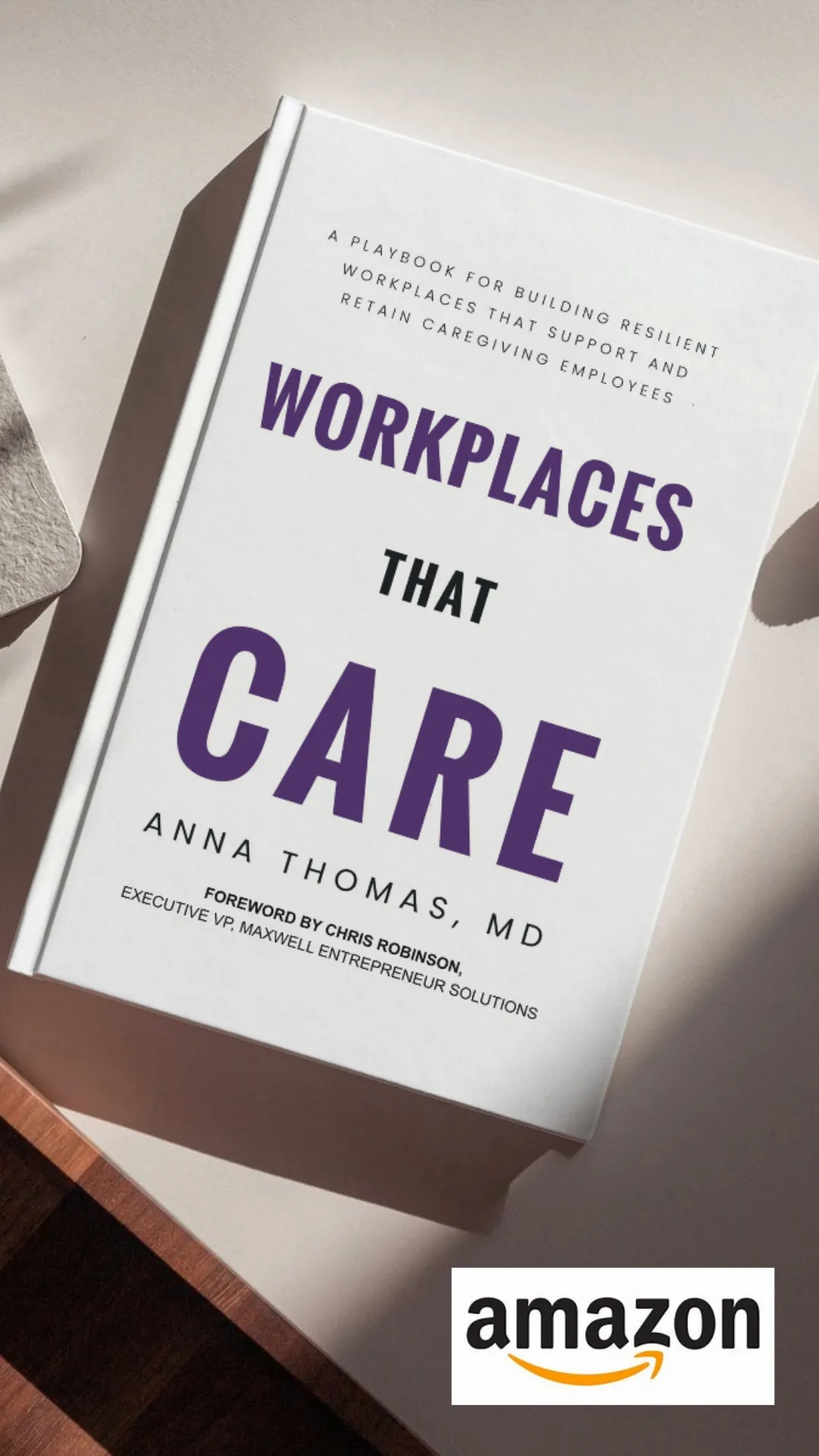
Workplaces That Care Book: https://amzn.to/49w0cl1
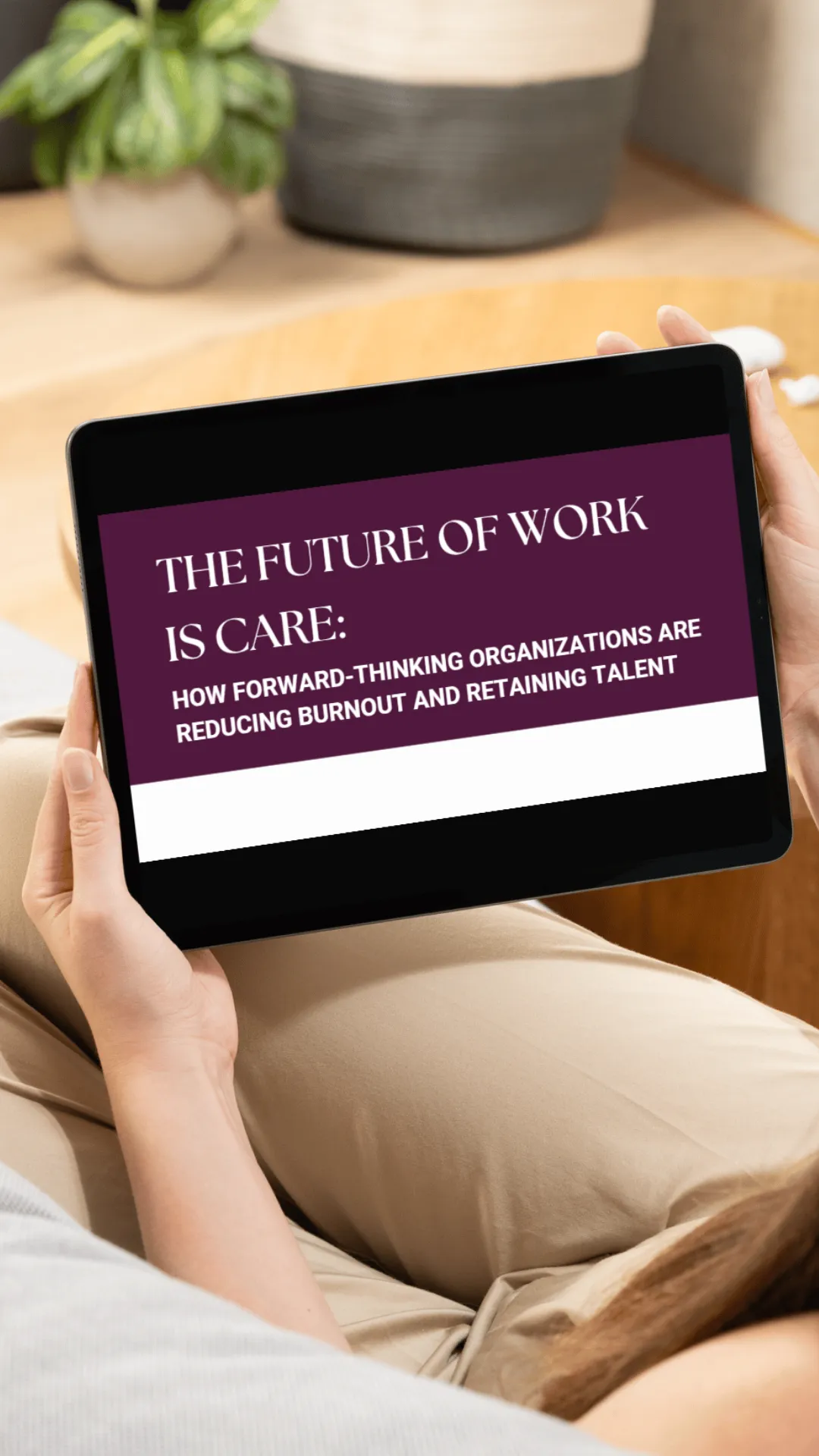
The Future of Work is CARE (free training): https://workplacesthatcare.com/webinar-registration
*Bio: Dr. Anna Thomas is a board-certified physician, TEDx speaker, workplace wellbeing strategist, and leadership coach who helps organizations strengthen culture, resilience, and performance in a changing world. As founder of LifeCare LeadHership and Workplaces That Care, she blends clinical insight with leadership development to teach practical tools for building supportive, care-ready workplaces. Her keynotes and trainings address workforce wellbeing, retention, burnout prevention, caregiving in the workplace, women’s leadership, and navigating life and work transitions. As the creator of the CARE Framework, she equips leaders to support the whole person so teams stay engaged, healthy, and committed. Audiences appreciate her grounded delivery, relatable stories, and clear, actionable strategies. Learn more or book Dr. Thomas at www.WorkplaceWellbeingSpeaker.com
The views and opinions expressed in this post are solely those of Dr. Thomas and do not reflect the views of any past or present employer. This content is for educational and informational purposes only and is not intended as medical or legal advice.