Why Should We Teach Employees to See Themselves as Care Leaders, Not Just Caregivers?
There is a form of leadership happening in your workplace right now that no one is talking about.
It is not happening in the boardroom. It is not captured in performance reviews. It is not listed on resumes. In many organizations, it is not even acknowledged.
But it is happening in quiet ways, in private moments, and often off the clock.
It is caregiving.
And here is the question I want to ask: what if caregiving is not a distraction from leadership, but a training ground for it? What would change if employees could see themselves not just as caregivers, but as care leaders?
This reframing matters because caregiving is everywhere. It touches parents, adult children supporting aging family members, partners, neighbors, chosen family, and people managing complex health needs inside their own homes. Caregiving seasons can be intense, unpredictable, and emotionally demanding. They often require a level of coordination and resilience that most leadership programs would struggle to replicate.
Yet in many workplaces, caregiving is treated as a private issue, or worse, a liability. Even when supportive policies exist, the unspoken message often sounds like, keep that part of your life quiet. It makes things complicated.
That message shapes how caregivers show up.
The Hidden Cost of Treating Caregiving Like a Liability
Here is what I have seen again and again.
People navigating immense complexity outside of work are making medical decisions, coordinating schedules, advocating for loved ones, and managing emotions and logistics daily. Then they come into the office and shrink back. They soften their ambitions. They avoid being seen. They hesitate to pursue stretch opportunities. They downplay what they are carrying and what they are capable of.
This is not because caregivers are lacking confidence. It is because they are responding to culture.
In workplaces where caregiving is never named, caregivers internalize the idea that their personal life is a burden. They worry that disclosure will cost them credibility. They fear being seen as less committed or less reliable. They learn that it is safer to stay quiet.
And the workplace does not help them connect caregiving to leadership potential. So those skills remain invisible, even to the person who has developed them.
That is a loss for the employee and for the organization.
Because when caregivers play small, you lose talent you already have.
Caregiving Builds Leadership Skills Most Organizations Say They Want
Let’s be honest. Caregiving is hard. It can be exhausting, emotionally draining, and logistically overwhelming. It can include grief, stress, uncertainty, and the constant need to adapt.
But it also builds something powerful.
Caregivers make high-stakes decisions under pressure. They juggle complex systems like healthcare, transportation, childcare, finances, and competing schedules. They advocate in difficult conversations. They mediate between personalities. They coordinate resources. They manage crisis moments and then return to routine. They plan. They prioritize. They troubleshoot. They communicate clearly because the stakes are real.
That is leadership.
Not theoretical leadership. Not leadership in a workshop. Leadership in action.
And when someone helps a caregiver recognize that, it can transform how they see themselves.
Imagine what it means for an employee to hear, possibly for the first time, that the way they are navigating caregiving responsibilities shows exactly the kind of leadership the team needs.
That reframing shifts identity.
Instead of thinking, I am behind, they realize, I have been leading. I just did not have the words for it.
That shift can change engagement, confidence, and career trajectory.
What Changes When Organizations Treat Care as a Leadership Asset
When organizations begin to recognize caregiving as a leadership path and not only a personal challenge, three important things shift.
First, employees stop hiding. When care is treated as part of the workforce reality, caregivers do not have to pretend they are living separate lives. They can bring their full selves with pride rather than shame. That reduces psychological strain and builds trust.
Second, leaders gain access to a deeper form of leadership across the organization. Caregiving often strengthens empathy, resilience, emotional intelligence, and adaptive problem-solving. These are not soft extras. They are essential capabilities in modern work, especially in times of uncertainty and change.
Third, succession planning becomes more inclusive. Many organizations unintentionally select leaders based on visibility and availability rather than capability. The employees who can attend every after-hours event, travel constantly, or say yes to every extra assignment are often seen as the obvious leadership pipeline. But that model can exclude caregivers, especially women and employees in mid-career life stages.
When you begin to see caregiving as leadership training, you stop selecting only the most visible employees. You start identifying those who have already proven they can lead through stress, complexity, and responsibility.
Not because they asked for a title, but because they have lived through hard things and kept going.
How Leaders Can Start This Shift Without a Massive Program
You do not need a large initiative to begin. You need to change what gets seen and what gets said.
This can start in manager conversations.
Managers can ask reflective questions that help employees connect caregiving experience to leadership skills. For example:
How has caregiving shaped how you approach leadership?
What have you learned through care that applies to your work here?
Where do you notice strengths in yourself that you did not have before this season?
These questions do not require disclosure of personal details. They do not require an employee to share private information. They simply invite reflection and connection.
Leaders can also use simple recognition language when they see someone navigating difficulty outside of work.
“I see what you are doing. That is not a distraction from your value. It is part of it.”
“The way you are managing complexity right now shows strong leadership capability.”
“I want to make sure you know your growth here is still on track.”
Recognition does not cost anything, but it can transform everything.
Because when someone feels seen, they stay engaged. They stop shrinking. They start leading with more confidence.
A Word to Caregivers and the Leaders Who Support Them
If you are a leader watching this and you have caregivers on your team, I promise you this. You already have people who know how to lead through stress, navigate uncertainty, and care deeply without quitting.
You may just not be seeing them yet.
And if you are a caregiver and you have wondered whether this season of your life disqualifies you from growth, I want to say this clearly.
You are not behind. You are not less valuable. You are already leading.
The work now is helping workplaces see that too.
If you want more practical tools for shifting culture and building leadership systems that recognize care as a strength, I invite you to subscribe to the Workplaces That Care newsletter. You will receive grounded strategies, leadership language, and evidence-informed guidance to help you build a culture where people and performance thrive side by side.
Together, let's build a workplace that CARES!
Dr. Anna Thomas
Explore More from Workplaces That Care
Read More: https://workplacesthatcare.com/blog
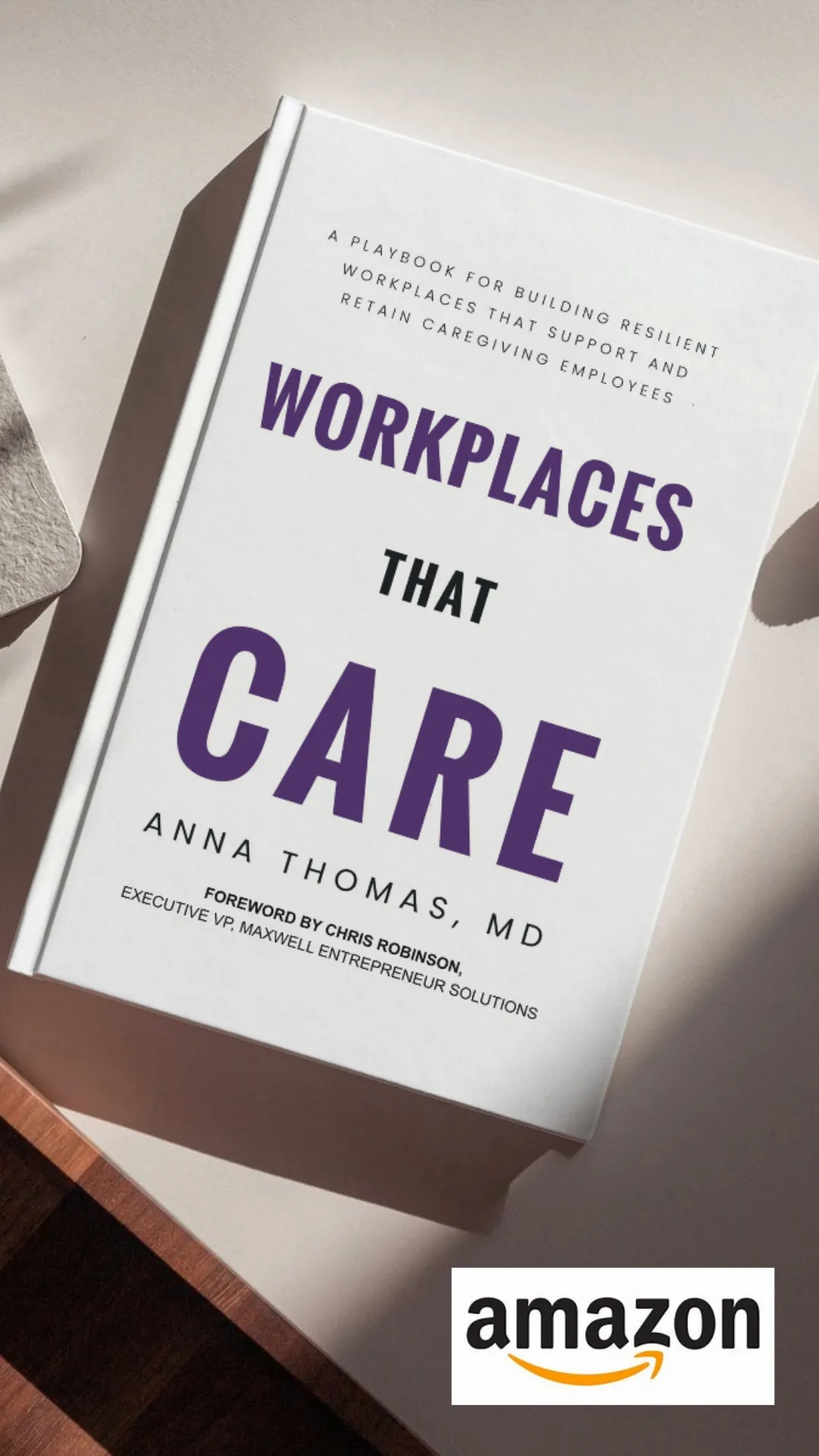
Workplaces That Care Book: https://amzn.to/49w0cl1
The Future of Work is CARE (free training): https://workplacesthatcare.com/webinar-registration
*Bio: Dr. Anna Thomas is a board-certified physician, TEDx speaker, workplace wellbeing strategist, and leadership coach who helps organizations strengthen culture, resilience, and performance in a changing world. As founder of LifeCare LeadHership and Workplaces That Care, she blends clinical insight with leadership development to teach practical tools for building supportive, care-ready workplaces. Her keynotes and trainings address workforce wellbeing, retention, burnout prevention, caregiving in the workplace, women’s leadership, and navigating life and work transitions. As the creator of the CARE Framework, she equips leaders to support the whole person so teams stay engaged, healthy, and committed. Audiences appreciate her grounded delivery, relatable stories, and clear, actionable strategies. Learn more or book Dr. Thomas at www.WorkplaceWellbeingSpeaker.com
The views and opinions expressed in this post are solely those of Dr. Thomas and do not reflect the views of any past or present employer. This content is for educational and informational purposes only and is not intended as medical or legal advice.