Leading in Tandem: Why AI Can’t Replace Human Empathy at Work
Artificial intelligence is changing the workplace at a remarkable pace.
It can summarize meetings, draft communications, analyze engagement trends, and even predict burnout risks before they fully surface. These advancements are not just impressive. They are reshaping how organizations operate.
But there is something important that often gets lost in the conversation.
AI can process information, but it cannot feel.
It cannot sense the tension behind a quiet “I’m fine.” It cannot hear the strain in someone’s voice or recognize the emotional weight behind a pause in conversation. And it cannot create the kind of trust that makes people feel safe, valued, and supported.
As highlighted in this discussion , empathy remains one of the most essential and irreplaceable elements of leadership. And in an increasingly automated world, it becomes even more important.
The Hidden Cost of Efficiency
Every week, new tools promise greater productivity and efficiency. In many ways, they deliver on that promise. Workflows become faster. Communication becomes more streamlined. Data becomes more accessible.
Yet something else is happening quietly beneath the surface.
Teams are becoming faster, but also more disconnected. Communication may be more efficient, but it is not always more human.
Leaders are beginning to notice the impact. Employees feel monitored instead of supported. Managers rely on dashboards instead of conversations. Organizations celebrate output while overlooking the human experiences that sustain engagement and loyalty.
The issue is not the presence of AI. The issue is how it is being used.
When leaders begin to substitute data for dialogue, they risk losing the connection that keeps teams resilient and committed.
The Leadership Gap in the Age of AI
AI can identify patterns, but it cannot interpret meaning in the way humans do.
It can flag declining engagement, but it cannot ask a thoughtful follow-up question. It can detect changes in communication tone, but it cannot offer reassurance in a moment of uncertainty.
This creates a growing gap in leadership.
Leaders who rely too heavily on technology may unintentionally distance themselves from their teams. The very tools designed to enhance performance can, if misused, reduce connection.
The challenge is not choosing between AI and empathy. It is learning how to integrate them effectively.
AI as an Amplifier, Not a Replacement
The most effective leaders understand that AI is a tool, not a substitute for human connection.
AI can provide valuable insights. It can highlight trends, surface risks, and reduce administrative burden. But those insights only become meaningful when paired with human judgment and care.
Think of AI as providing awareness, while leadership provides response.
AI can indicate that workloads are increasing. A leader translates that into action by redistributing responsibilities or initiating a supportive conversation.
AI can predict turnover risk. A leader turns that insight into a meaningful dialogue that reinforces value and belonging.
AI can automate repetitive tasks. A leader uses the time saved to invest in coaching, mentoring, and connection.
When used this way, AI does not diminish empathy. It expands the leader’s ability to practice it.
Practical Strategies for Leading with Empathy in an AI-Driven World
To lead effectively in this new landscape, leaders must be intentional about how they integrate technology with human connection.
Start by defining clear boundaries. Use AI for tasks that improve efficiency, such as organizing information or streamlining workflows. But do not delegate human connection to a system.
Let data guide your awareness, but not your decisions. If an AI tool highlights a concern, approach it with curiosity. Ask questions. Seek context. Listen actively.
One of the most valuable opportunities created by AI is time. When routine tasks are automated, leaders gain space to focus on what matters most. This is not a chance to increase output alone. It is a chance to deepen relationships.
Investing that time in meaningful conversations, coaching, and reflection strengthens both individuals and teams.
Equally important is how organizations prepare their people. As new technologies are introduced, emotional intelligence must be developed alongside technical skills. Communication, empathy, and inclusive leadership are no longer optional competencies. They are essential.
Finally, leaders must make empathy visible. Culture is shaped not only by policies but by behavior. When leaders openly prioritize wellbeing, demonstrate balance, and engage in genuine dialogue, they create an environment where others feel safe to do the same.
The Human Element That Technology Cannot Replace
Imagine a workplace that is fully optimized by AI. Tasks are completed efficiently. Systems run smoothly. Data is readily available.
Now imagine that same workplace without human connection.
No check-ins. No understanding. No shared moments of support or recognition.
What remains may be efficient, but it is not sustainable.
People do not stay in organizations because of systems alone. They stay because they feel seen, valued, and respected.
Empathy is what makes that possible.
It is the foundation of trust, the driver of engagement, and the reason teams remain committed even during challenging times.
Leading Forward with Intention
As we look toward the future of work, one thing is clear.
Technology will continue to evolve. AI will become more sophisticated. Work will become faster and more interconnected.
But the need for human-centered leadership will not diminish. It will grow.
Leaders who succeed in this environment will be those who recognize that empathy is not separate from performance. It is essential to it.
They will use AI to enhance awareness, not replace connection. They will invest in relationships as intentionally as they invest in results.
And they will understand that the true measure of leadership is not just what gets done, but how people feel while doing it.
If you are navigating this shift in your own organization, this is an opportunity to lead with greater clarity and purpose.
And if you want practical tools and insights to help you do that, I invite you to stay connected.
Subscribe to the Workplaces That Care newsletter for ongoing guidance on building resilient, human-centered workplaces in an evolving world.
Together, let's build a workplace that CARES!
Dr. Anna Thomas
Explore More from Workplaces That Care
Read More: https://workplacesthatcare.com/blog
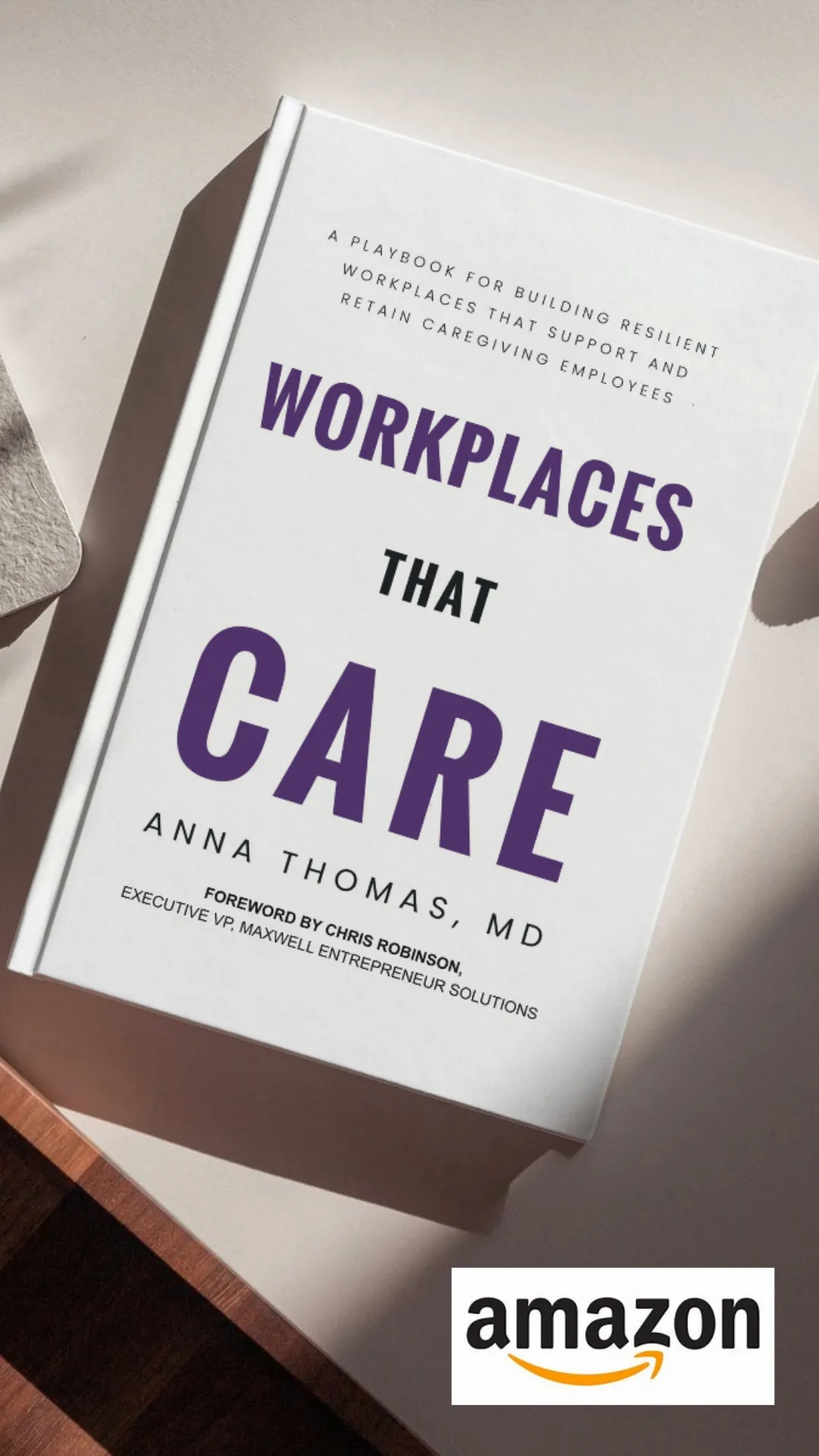
Workplaces That Care Book: https://amzn.to/49w0cl1
The Future of Work is CARE (free training): https://workplacesthatcare.com/webinar-registration
*Bio: Dr. Anna Thomas is a board-certified physician, TEDx speaker, workplace wellbeing strategist, and leadership coach who helps organizations strengthen culture, resilience, and performance in a changing world. As founder of LifeCare LeadHership and Workplaces That Care, she blends clinical insight with leadership development to teach practical tools for building supportive, care-ready workplaces. Her keynotes and trainings address workforce wellbeing, retention, burnout prevention, caregiving in the workplace, women’s leadership, and navigating life and work transitions. As the creator of the CARE Framework, she equips leaders to support the whole person so teams stay engaged, healthy, and committed. Audiences appreciate her grounded delivery, relatable stories, and clear, actionable strategies. Learn more or book Dr. Thomas at www.WorkplaceWellbeingSpeaker.com
The views and opinions expressed in this post are solely those of Dr. Thomas and do not reflect the views of any past or present employer. This content is for educational and informational purposes only and is not intended as medical or legal advice.