How Leaders Can Empower Teams When Life Disruptions Hit Without Warning
How Leaders Can Empower Teams When Life Disruptions Hit Without Warning
Life does not wait for a convenient time.
As leaders, we often plan for performance, deadlines, and deliverables. But what we cannot plan for are the moments when real life interrupts work without warning. A phone buzzes. A message comes through. A team member says they need to leave immediately because of a family emergency, a health concern, or an urgent caregiving situation.
These are not rare moments. They are inevitable.
And in that moment, leadership is tested.
The way you respond does more than solve a short-term disruption. It sends a signal that shapes trust, safety, and culture across your entire team. As I shared in this discussion , the question is not whether these disruptions will happen. The real question is whether your leadership is ready when they do.
The Reality of Sudden Disruptions
When we think about employee needs, we often imagine planned time off or scheduled flexibility. But the reality is far more unpredictable.
Sudden disruptions can include emergency hospital visits, unexpected school closures, mental health crises, loss in the family, or flare-ups of chronic conditions. These moments are often chaotic and emotionally charged.
Your employee is not operating at their best in that moment. They may be overwhelmed, distracted, or unsure of how much to share. At the same time, they are quietly assessing something important.
They are asking themselves whether it is safe to be human at work.
The Turning Point Leaders Often Miss
There is a brief but powerful window right after an employee discloses a personal crisis. This moment is easy to overlook, but it carries lasting impact.
In that moment, you either build trust or you erode it.
A simple response like, “We will figure this out. Take care of what you need,” communicates support and stability. On the other hand, a response that emphasizes workload pressure or inconvenience, even unintentionally, can create a sense of guilt or burden.
What makes this moment so important is that it does not just affect one person. Everyone on the team is watching. They are learning what happens when life shows up at work.
Do people feel supported, or do they feel penalized?
What Empowering Leadership Looks Like in Action
Empowering leadership during disruption does not require perfection. It requires presence, clarity, and compassion.
Start by acknowledging the situation. A simple, sincere response communicates that you see the person behind the role. This might sound like, “Thank you for letting me know. I am sorry you are dealing with this.”
Next, remove uncertainty. Let your employee know they can step away without hesitation. Clarity reduces stress in an already difficult moment.
Then, create a simple path forward. Setting a check-in point provides structure without pressure. It reassures both you and your employee that there is a plan to reconnect.
Equally important is what happens behind the scenes. Mobilizing team support without oversharing maintains both continuity and privacy. It signals that your team is capable and prepared.
Finally, your tone matters. When you model calm and stability, you reinforce that these moments are not disruptions to be feared but realities to be managed with care.
This is not about lowering standards. It is about strengthening systems.
Common Mistakes That Undermine Trust
Even well-intentioned leaders can unintentionally create harm in these moments.
Questioning the urgency of a situation can make employees feel dismissed. If someone has chosen to disclose, it already carries weight.
Asking for excessive details can cross boundaries. Respecting privacy is essential for maintaining dignity and trust.
Using language that highlights inconvenience or workload pressure can create guilt. Even subtle cues can shift the emotional tone of the interaction.
Delaying your response can also create uncertainty. Silence leaves room for doubt, especially when an employee is already under stress.
Perhaps most importantly, assuming the situation is temporary can limit your ability to provide ongoing support. Many disruptions are not one-time events. They may signal a longer-term need for flexibility or understanding.
Preparing Before the Crisis Happens
The strongest leadership responses are not improvised. They are supported by preparation.
Creating coverage plans ensures that no single individual becomes a bottleneck. Cross-training builds resilience into your team.
Normalizing conversations about life outside of work helps surface potential challenges early. Simple check-ins can make a meaningful difference.
Building a culture of shared responsibility reduces the burden on any one person. Support becomes part of how the team operates, not an exception.
Tracking patterns can also provide valuable insight. Repeated disruptions may indicate underlying challenges that require thoughtful support.
When you invest in these systems, you shift from reacting to disruptions to being ready for them.
Why This Moment Matters More Than You Think
When an employee says, “I need to go,” they are not just managing a personal situation. They are making a decision about their future with your organization.
They are evaluating how you respond, whether they feel supported, and whether their team can adapt.
These moments shape loyalty, retention, and engagement in ways that performance reviews and incentives cannot.
When leaders respond with care and clarity, it creates a ripple effect. Teams become more resilient. Trust deepens. People feel safe bringing their full selves to work.
This is how culture is built in real time.
Leading in a Human-Centered Future of Work
We are entering an era defined by rapid change, automation, and technological advancement. Yet, the core of leadership remains deeply human.
Employees are navigating complex lives. The organizations that will thrive are those that recognize this reality and respond with intention.
Leadership is not just about managing tasks. It is about creating an environment where people can navigate both work and life with support and dignity.
You do not need a perfect system to do this well.
You need awareness, preparation, and a commitment to care.
If this resonates with you, consider how your current systems and responses align with the kind of culture you want to build.
And if you are ready to take the next step, I invite you to stay connected.
Subscribe to the Workplaces That Care newsletter for practical strategies, leadership insights, and tools to help you build a more resilient, supportive workplace.
Together, let's build a workplace that CARES!
Dr. Anna Thomas
Explore More from Workplaces That Care
Read More: https://workplacesthatcare.com/blog
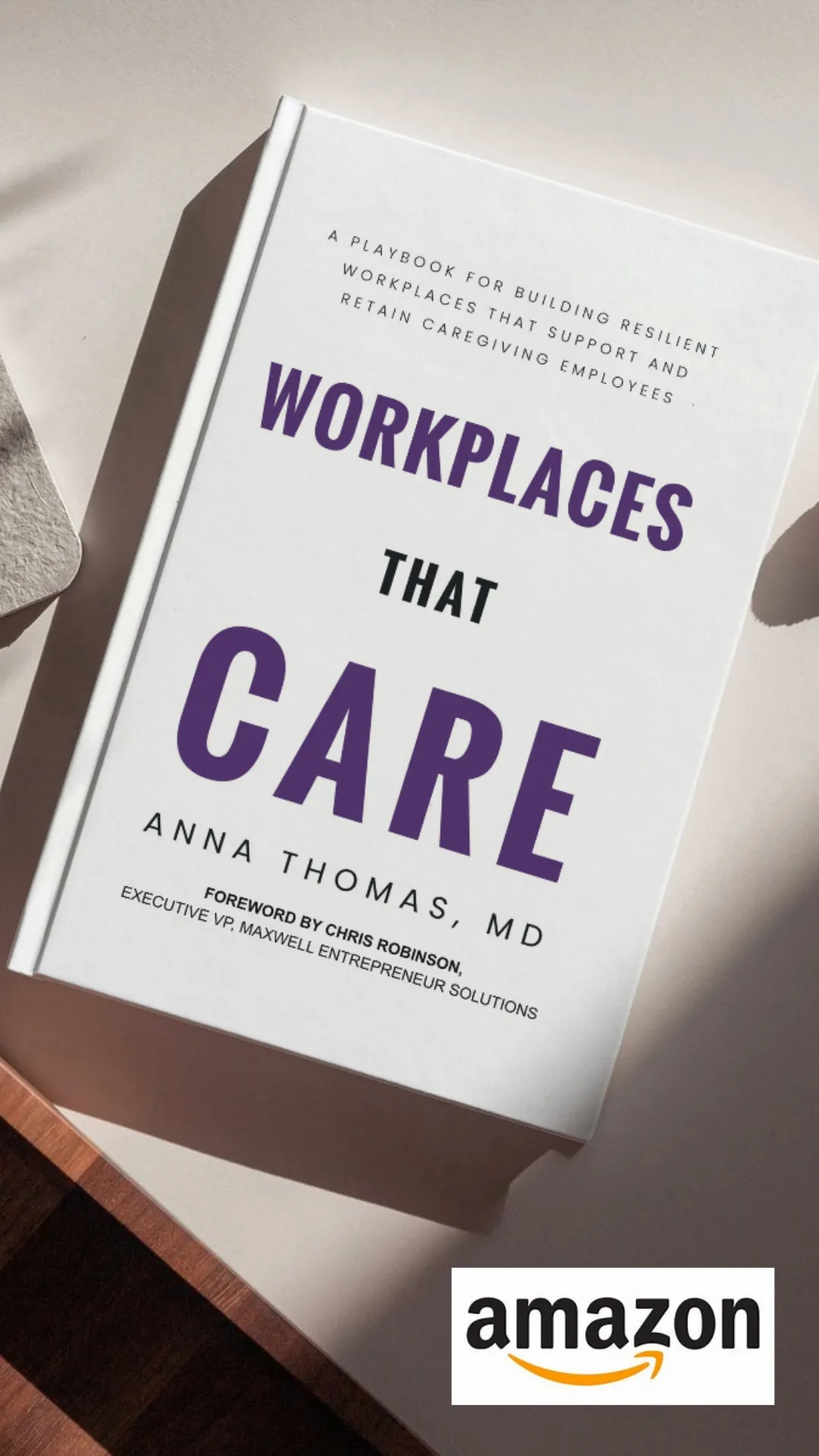
Workplaces That Care Book: https://amzn.to/49w0cl1
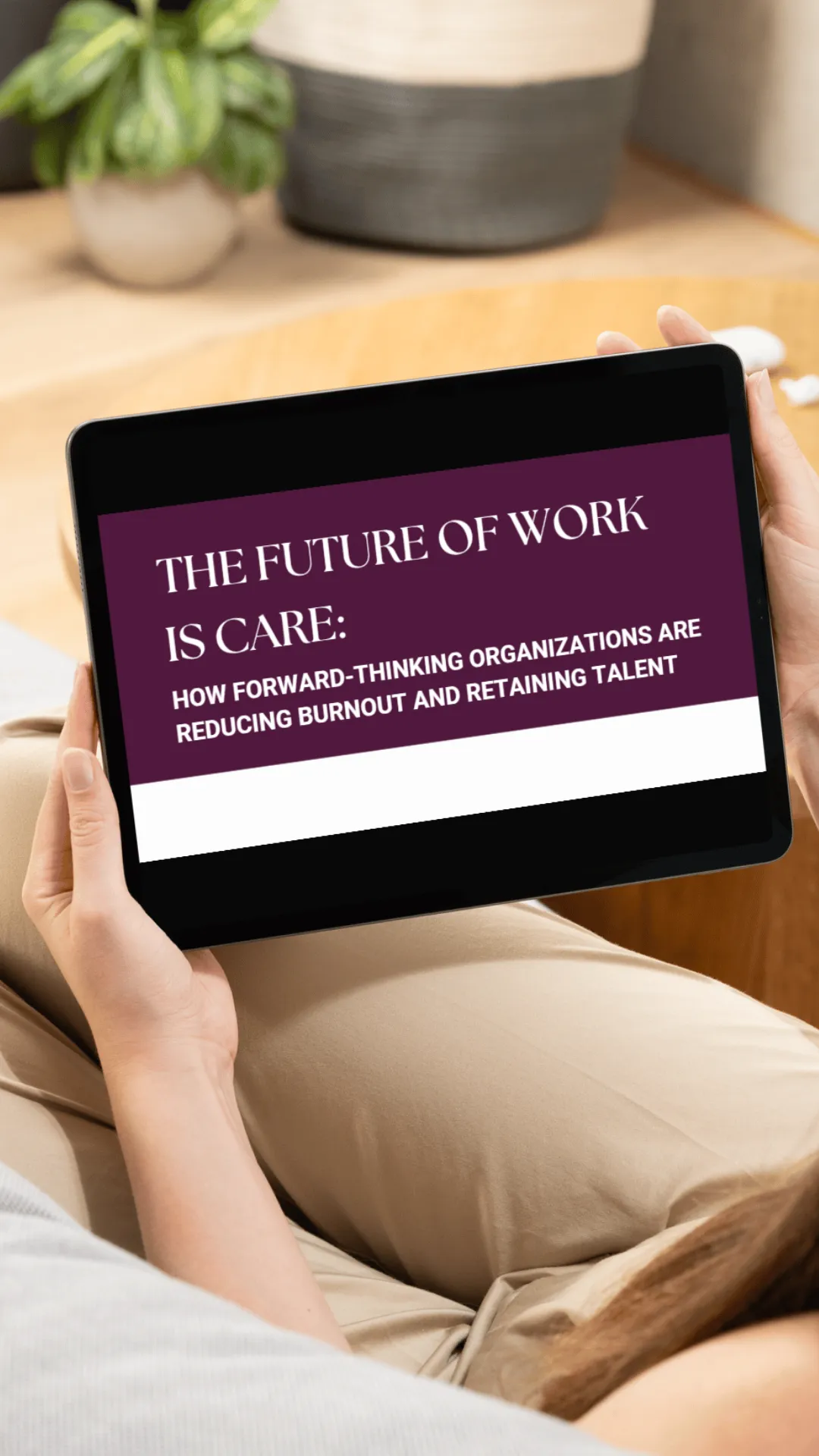
The Future of Work is CARE (free training): https://workplacesthatcare.com/webinar-registration
*Bio: Dr. Anna Thomas is a board-certified physician, TEDx speaker, workplace wellbeing strategist, and leadership coach who helps organizations strengthen culture, resilience, and performance in a changing world. As founder of LifeCare LeadHership and Workplaces That Care, she blends clinical insight with leadership development to teach practical tools for building supportive, care-ready workplaces. Her keynotes and trainings address workforce wellbeing, retention, burnout prevention, caregiving in the workplace, women’s leadership, and navigating life and work transitions. As the creator of the CARE Framework, she equips leaders to support the whole person so teams stay engaged, healthy, and committed. Audiences appreciate her grounded delivery, relatable stories, and clear, actionable strategies. Learn more or book Dr. Thomas at www.WorkplaceWellbeingSpeaker.com
The views and opinions expressed in this post are solely those of Dr. Thomas and do not reflect the views of any past or present employer. This content is for educational and informational purposes only and is not intended as medical or legal advice.