Why Do High Performers Suddenly Burn Out? (Hint: Caregiving Might Be the Missing Link)
You know the story.
Your top performer, the person who never misses deadlines, takes on extra work, mentors others, and seems to hold the team together, starts canceling meetings. They look tired. Distracted. A little less present than usual.
Then suddenly, they hand in their notice.
And leadership is left asking the same questions every time.
How did we miss this?
Why did they not say anything?
What just happened?
Here is a possibility many workplaces still do not consider early enough.
They were caregiving. Silently. For months.
And it finally broke them.
I have supported professionals on both sides of this story. Leaders blindsided by a high performer’s exit. Employees who quietly carried care responsibilities until they collapsed. And I can tell you, this kind of burnout rarely starts at work. It starts at home.
When caregiving becomes overwhelming, work keeps expecting more, and the culture stays silent, even your strongest employees reach a limit.
Not because they are weak. Because they were never supported.
Let’s break down why this happens, how hidden caregiving becomes the missing link, and what you can do to change the outcome without prying into anyone’s personal life.
Why High Performers Are Often the Most at Risk
Most organizations assume high performers are the least likely to burn out. They are competent. Reliable. Motivated. They have strong work habits and they know how to manage pressure.
That assumption is exactly why their burnout can look like it happened overnight.
High performers often have a deep identity attachment to being dependable. They take pride in being the one others can count on. They do not want to be perceived as needy, complicated, or less capable.
So when caregiving ramps up, they do what they have always done. They absorb it.
Quietly.
They do not ask for help first. They do not raise their hand early. They do not want to disrupt the team or appear like a problem. They may assume they can handle it, or that it will be temporary, or that bringing it up will risk their standing.
And because they are so good at holding it together, no one notices they are unraveling until it is too late.
High performers often will not be the first to ask for help. They will be the first to hit a wall and walk away.
Caregiving Is an Invisible Tax
Caregiving does not just take time. It takes mental energy, emotional bandwidth, logistical planning, and constant decision-making.
It often includes:
Coordinating appointments and transportation
Managing medication schedules
Navigating insurance and healthcare systems
Advocating in high-stakes conversations
Responding to emergencies and unexpected needs
Holding emotional space for a loved one while staying calm on the outside
This is work. It is leadership work. It is complex, high-responsibility work.
But in many workplaces, it is invisible.
Here is what that invisibility looks like in real life.
A high performer manages a medical crisis during lunch breaks. They wake up early to arrange care before work. They respond to urgent calls between meetings and then re-enter the conversation acting normal. They carry emotional weight all day and then log back on at night to make up for lost time.
On paper, they are still performing.
But inside, they are burning through a finite resource: capacity.
And if the workplace culture does not make it safe to disclose, they will not say a word.
Until they resign.
What Workplaces Miss About Caregiving Burnout
Most burnout interventions are reactive. They happen after performance dips, or after someone has already left. Leaders look back and try to understand what happened.
But hidden caregiving rarely shows up in a dashboard. It shows up in moments.
A top contributor turns down a stretch project.
A rising leader becomes less visible.
Someone stops speaking up in meetings.
A high performer starts missing small deadlines that never used to slip.
A usually engaged employee becomes quieter and more withdrawn.
Too often, these signals get labeled as motivation issues, attitude issues, or performance issues.
But for many employees, what looks like underperformance is unsupported performance. It is a person trying to function in two full-time realities at once.
If your culture never names caregiving, never trains managers to notice it, and never invites early conversations about life load, then of course it stays hidden until the breaking point.
The workplace is not seeing the whole picture. And the employee is not giving themselves permission to ask for support.
How to Intervene Early Without Overstepping
Some leaders hesitate here because they do not want to pry. That is a valid concern. You do not need employees to disclose private medical details. You do not need to know exactly who they are caring for or what the diagnosis is.
But you do need to create a culture where caregiving is not treated like a secret.
There are four practical ways to intervene early.
1) Normalize Care Conversations
If caregiving is never mentioned, caregivers assume it is taboo.
Leaders can change this by naming caregiving as part of workforce reality in simple, respectful ways. This can happen in all-hands communication, manager toolkits, and onboarding. The goal is to reduce stigma so employees do not feel like they have to hide.
When you normalize care, you reduce the fear that disclosure will cost someone their future.
2) Train Managers to Spot Early Signals
Managers are often the first to see burnout patterns, but most managers have never been trained to interpret them through a caregiving lens. They may see behavior changes without understanding what might be driving them.
Training managers does not mean turning them into therapists. It means equipping them to ask better questions early and to respond with care and clarity.
A care-informed check-in can sound like:
“I’ve noticed your workload feels heavier lately. Are there any shifts in life or responsibilities outside of work that are impacting your bandwidth right now?”
“Let’s look at priorities for the next few weeks so we can protect what matters most.”
This invites honesty without forcing disclosure.
3) Offer Flexible Support Systems That Adjust Expectations Early
Flexibility is only helpful when it is paired with workload and expectation design. Many caregivers do not need unlimited time off. They need a temporary adjustment in timelines, meeting load, or visibility demands so they can stay effective without burning out.
The most supportive workplaces create systems that allow managers to make temporary adjustments without derailing career growth.
This is not about lowering the bar. It is about sustaining performance.
4) Track the Patterns Where Burnout Hides
If caregiving is invisible, you have to look for clues in patterns, not declarations.
Track who is stepping back from growth opportunities. Track who is declining promotions or stretch roles. Pay attention to exit interviews that cite “personal reasons” without deeper questions. Notice who is using leave sporadically, who becomes less visible, and who suddenly disengages.
These patterns often point to life load long before it becomes a resignation letter.
The Message Leaders Need to Hear
If you have lost someone you did not expect to lose, and you never saw it coming, start by asking a different question.
What was happening that we did not talk about?
Care was probably there. It just was not visible. And the culture did not make it safe to name.
You do not need perfect policies to start changing this. You need presence. You need language. You need to make care something employees do not have to carry in silence.
That is how you keep them. That is how you help them lead. That is how you protect the talent you already have.
If you want more grounded tools and leadership language for preventing burnout and retaining caregiving employees, I invite you to subscribe to the Workplaces That Care newsletter. You will receive practical, evidence-informed strategies for building care-ready cultures where people and performance thrive together.
Together, let's build a workplace that CARES!
Dr. Anna Thomas
Explore More from Workplaces That Care
Read More: https://workplacesthatcare.com/blog
Workplaces That Care Book: https://amzn.to/49w0cl1
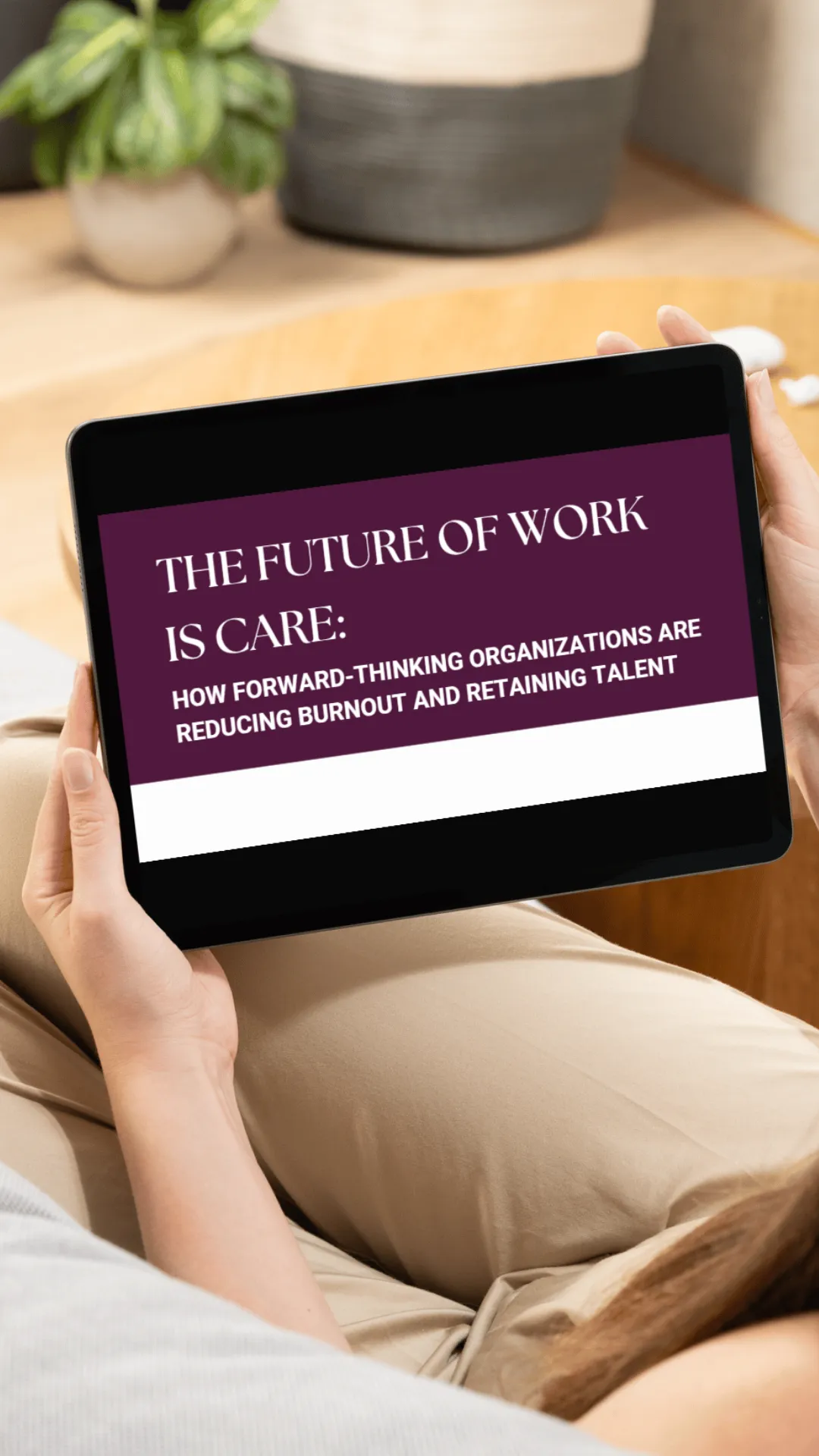
The Future of Work is CARE (free training): https://workplacesthatcare.com/webinar-registration
*Bio: Dr. Anna Thomas is a board-certified physician, TEDx speaker, workplace wellbeing strategist, and leadership coach who helps organizations strengthen culture, resilience, and performance in a changing world. As founder of LifeCare LeadHership and Workplaces That Care, she blends clinical insight with leadership development to teach practical tools for building supportive, care-ready workplaces. Her keynotes and trainings address workforce wellbeing, retention, burnout prevention, caregiving in the workplace, women’s leadership, and navigating life and work transitions. As the creator of the CARE Framework, she equips leaders to support the whole person so teams stay engaged, healthy, and committed. Audiences appreciate her grounded delivery, relatable stories, and clear, actionable strategies. Learn more or book Dr. Thomas at www.WorkplaceWellbeingSpeaker.com
The views and opinions expressed in this post are solely those of Dr. Thomas and do not reflect the views of any past or present employer. This content is for educational and informational purposes only and is not intended as medical or legal advice.