How Can HR Use AI to Expand Wellness Tools and Make EAPs More Accessible?
How HR Can Use AI to Expand Wellness Tools and Make EAPs More Accessible
Organizations have invested heavily in wellness programs and Employee Assistance Programs.
On paper, the support is there. In practice, utilization remains low.
Employees often do not know what is available to them. Information is scattered across platforms, buried in documents, or difficult to navigate. Many only seek help during a crisis, while others avoid accessing support altogether due to confusion or stigma.
As outlined in this discussion , the issue is not a lack of resources. It is a lack of visibility, clarity, and accessibility.
This is where artificial intelligence can play a meaningful role.
Not by replacing human support, but by making it easier to find, understand, and use.
The Challenge HR Faces Today
HR leaders are well aware of the gap between offering support and ensuring it is used.
EAP utilization rates often remain in the low single digits. Employees may be unaware that services are free or included in their benefits. Wellness programs are frequently distributed across multiple systems, making them harder to access in moments of need.
Managers may want to help but lack the language or confidence to guide employees effectively. Employees themselves may hesitate to ask for support, unsure of what is available or how it will be perceived.
These challenges create a disconnect.
Support exists, but it is not reaching the people who need it.
The Opportunity AI Creates
Artificial intelligence offers a way to close this gap without increasing complexity.
AI does not diagnose conditions or replace professional services. It does not access private health data or compromise confidentiality.
Instead, it enhances access.
AI can simplify complex information, making benefits easier to understand. It can surface relevant resources quickly, reducing the time and effort required to find support. It can centralize information, bringing multiple programs into a single, accessible interface.
Perhaps most importantly, AI can meet employees where they are.
Rather than expecting employees to navigate multiple systems, AI can respond to questions in real time, guiding them toward appropriate resources.
This shift transforms wellness from something employees have to search for into something that is readily available.
Practical AI Tools HR Can Use Today
The potential of AI is not theoretical. There are tools available today that HR teams can implement to improve access and engagement.
One example is Microsoft Copilot. Integrated into everyday workplace tools, it can summarize complex benefits documents and translate them into clear, accessible language. HR teams can use it to create simple guides that employees can quickly understand and act on.
Another tool is Slack AI. Within communication platforms employees already use, AI can answer questions about available resources. Instead of searching through documents, employees can ask direct questions and receive immediate, relevant responses.
Notion AI offers another approach by enabling HR teams to build centralized benefits hubs. These hubs provide a single location where employees can access information about wellness programs, caregiving support, and EAP services.
Viva Insights adds another layer by providing aggregated insights into work patterns. HR teams can identify trends related to workload and potential burnout, allowing them to proactively offer support where it is needed most.
Each of these tools addresses a different aspect of the challenge, but together they create a more cohesive and accessible experience.
Making Wellness Simple and Visible
One of the most important shifts AI enables is simplicity.
Employees are more likely to use support when it is easy to understand and access. AI can reduce the complexity of benefits information, presenting it in a way that is clear and actionable.
Visibility is equally important.
When employees can easily see what is available, they are more likely to engage with it. AI can proactively surface relevant resources based on general scenarios, helping employees connect with support before issues escalate.
This is not about overwhelming employees with more information. It is about delivering the right information at the right time.
Supporting Managers and Leaders
AI can also play a role in supporting managers.
Many leaders want to help their teams but are unsure how to approach sensitive topics. AI can assist by generating conversation guides and scripts, helping managers communicate with clarity and empathy.
This does not replace human interaction. It enhances it.
By providing guidance, AI helps leaders feel more confident in supporting their teams, which in turn strengthens trust and engagement.
Maintaining Trust and Privacy
Any discussion of AI in the workplace must address privacy.
The tools described here operate without accessing individual health data. They rely on general information and aggregated insights, ensuring that employee confidentiality is maintained.
This distinction is critical.
Employees must feel confident that using these tools will not compromise their privacy. Clear communication about how AI is used and what data is involved can help build that trust.
From Access to Impact
Improving access to wellness resources is not an end in itself.
It is a means to a larger outcome.
When employees can easily find and use support, utilization increases. When utilization increases, employees receive help earlier. This can prevent issues from escalating and improve overall wellbeing.
For organizations, this translates into stronger engagement, more consistent performance, and improved retention.
The return is not just in metrics. It is in the experience of the workforce.
A More Human Approach to Technology
As organizations continue to adopt AI, it is important to remain grounded in purpose.
Technology should enhance the human experience, not replace it.
AI can simplify processes, reduce friction, and improve access. But it is the human element—empathy, understanding, and connection—that ultimately defines workplace culture.
When these elements work together, organizations can create environments where employees feel supported and empowered.
Moving Forward
If your organization is looking to improve wellness engagement, the first step is to evaluate access.
Are employees able to easily find and understand the support available to them?
Are your systems working together, or creating additional complexity?
AI offers a way to address these questions with practical solutions.
By focusing on simplicity, visibility, and usability, HR teams can transform existing resources into meaningful support.
If you are ready to take that next step, I invite you to stay connected.
Subscribe to the Workplaces That Care newsletter for practical strategies, leadership insights, and tools to help you build a workplace where support is not just available, but accessible.
Together, let's build a workplace that CARES!
Dr. Anna Thomas
Explore More from Workplaces That Care
Read More: https://workplacesthatcare.com/blog
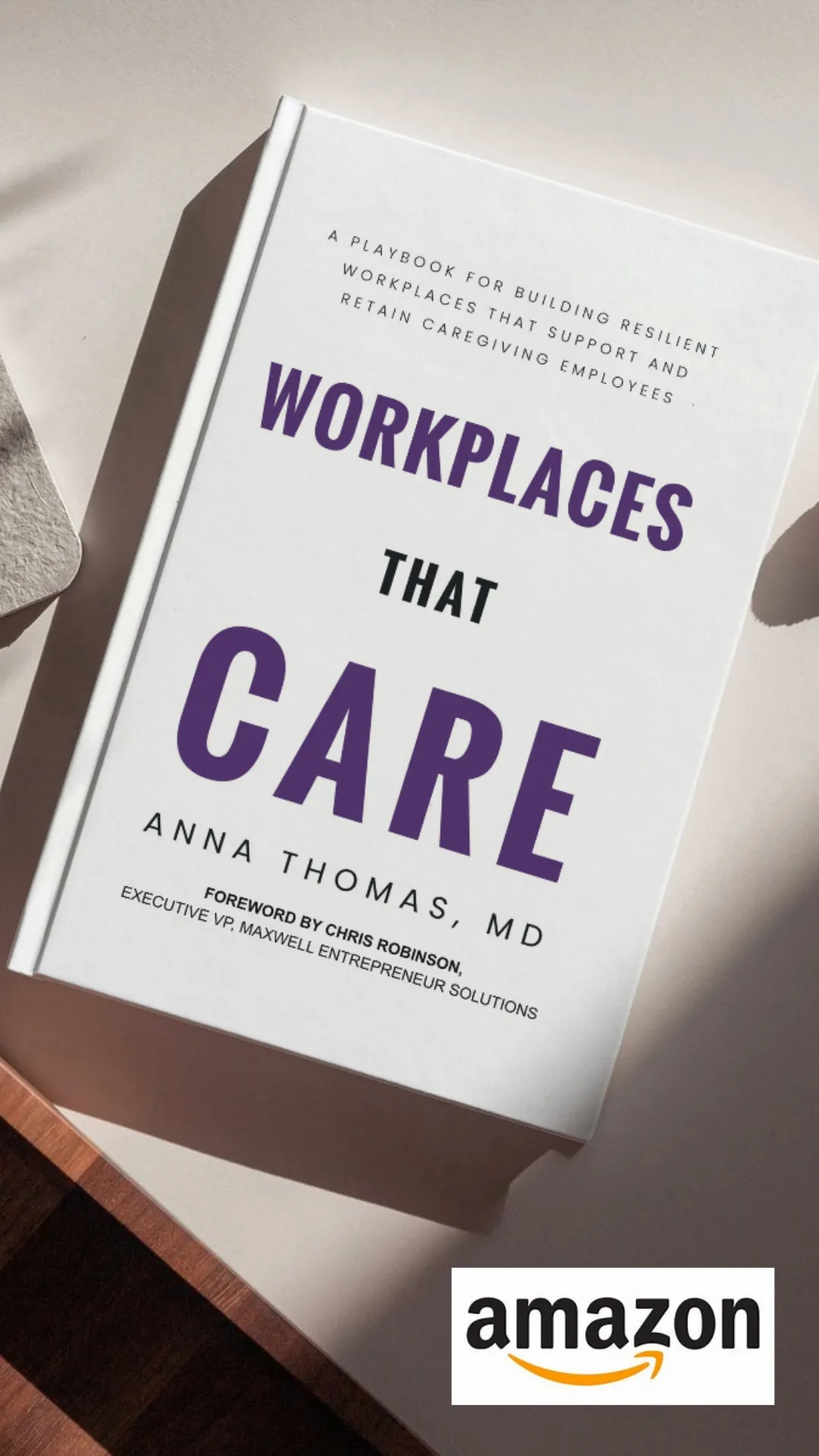
Workplaces That Care Book: https://amzn.to/49w0cl1
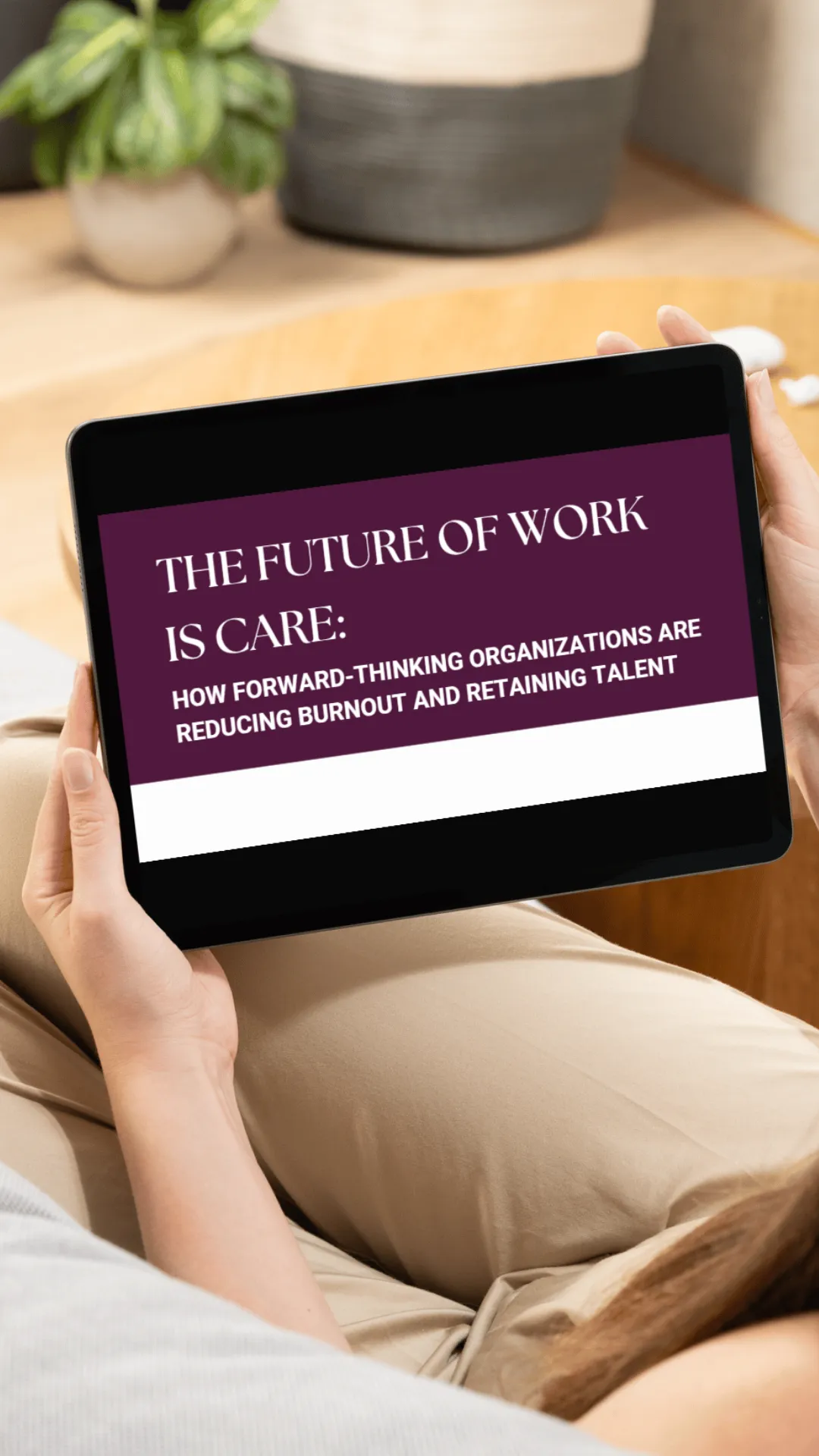
The Future of Work is CARE (free training): https://workplacesthatcare.com/webinar-registration
*Bio: Dr. Anna Thomas is a board-certified physician, TEDx speaker, workplace wellbeing strategist, and leadership coach who helps organizations strengthen culture, resilience, and performance in a changing world. As founder of LifeCare LeadHership and Workplaces That Care, she blends clinical insight with leadership development to teach practical tools for building supportive, care-ready workplaces. Her keynotes and trainings address workforce wellbeing, retention, burnout prevention, caregiving in the workplace, women’s leadership, and navigating life and work transitions. As the creator of the CARE Framework, she equips leaders to support the whole person so teams stay engaged, healthy, and committed. Audiences appreciate her grounded delivery, relatable stories, and clear, actionable strategies. Learn more or book Dr. Thomas at www.WorkplaceWellbeingSpeaker.com
The views and opinions expressed in this post are solely those of Dr. Thomas and do not reflect the views of any past or present employer. This content is for educational and informational purposes only and is not intended as medical or legal advice.