Why Supporting Caregivers Is Your Most Overlooked Retention Strategy
What if your organization’s retention challenges are not primarily about compensation, workload, or even leadership?
What if they are rooted in something far less visible, but far more impactful?
Caregiving.
Many organizations invest heavily in retention strategies. They review compensation structures, expand benefits, and refine engagement initiatives.
Yet, one of the most consistent drivers of employee departure often goes unaddressed.
As explored in this discussion , caregiving responsibilities quietly shape employee decisions about whether to stay, step back, or leave altogether. And when organizations overlook this reality, they miss a powerful opportunity to strengthen retention.
The Retention Problem We Often Misunderstand
Retention is frequently treated as a function of external competition.
Employees leave for better offers. Higher salaries. More attractive benefits.
While these factors play a role, they often do not tell the full story.
High-performing employees—the ones organizations rely on most—are often carrying significant responsibilities outside of work. They are supporting children, aging parents, or other loved ones, often without visible acknowledgment.
These individuals tend to be deeply committed. They overdeliver. They compensate for challenges quietly.
Until they cannot.
When caregiving demands reach a tipping point, employees may step back or leave entirely. And when they do, it often appears sudden.
In reality, it has been building over time.
The Hidden Cost of Losing Caregivers
When an employee leaves, the impact extends far beyond the immediate vacancy.
Organizations lose institutional knowledge, continuity, and leadership potential. Teams lose stability and momentum. Colleagues experience increased workload and uncertainty.
These effects ripple across the organization.
What makes caregiving-related turnover particularly challenging is that it is often preventable.
With the right support, many employees would choose to stay.
What Research and Experience Tell Us
There is growing evidence that caregiver support directly influences retention.
Organizations that offer meaningful support have reported reductions in turnover and absenteeism. Even modest improvements can lead to significant financial and operational benefits.
But beyond formal research, the patterns are clear in day-to-day experience.
When employees feel supported, they are more likely to remain engaged. When they feel understood, they are more likely to stay committed during challenging periods.
Support changes behavior.
It shifts the decision from leaving to staying.
How Caregiver Support Drives Retention
Understanding the mechanisms behind this impact is critical.
Supporting caregivers reduces burnout. When employees have access to resources and flexibility, they are less likely to reach a breaking point.
It strengthens trust and psychological safety. Employees who feel seen and supported are more likely to remain with the organization, even during difficult times.
It creates consistency. When employees can manage both work and personal responsibilities, their performance becomes more stable.
It preserves career continuity. Instead of stepping off leadership tracks, employees can continue developing and contributing.
It also influences culture. When organizations are known for supporting caregivers, they build reputations that attract and retain talent.
These factors work together to create a more resilient workforce.
Moving From Passive to Strategic Retention
Many organizations have caregiver support in place, but it is not always connected to retention strategy.
To realize its full impact, support must be intentional.
Start by identifying where caregiving pressures are most likely to affect your workforce. This may involve analyzing turnover patterns, gathering feedback, or engaging with managers.
Next, connect support initiatives to measurable outcomes. Track how caregiver support influences retention, engagement, and performance.
This creates a clearer understanding of its value.
Targeted interventions can also make a difference. Instead of relying solely on broad policies, proactively offer support to employees who may be at risk.
Manager behavior is another critical factor.
Leaders play a key role in shaping employee experience. Training managers to recognize and respond to caregiving challenges can significantly influence retention outcomes.
Finally, share success stories.
When employees stay and succeed because of support, it reinforces the culture and encourages others to engage with available resources.
The Human Side of Retention
At its core, retention is not just a metric.
It is a reflection of how people experience your organization.
Consider a high-performing employee who is struggling to balance work and caregiving responsibilities.
Without support, they may feel overwhelmed and begin to consider leaving.
With support, the experience changes.
They receive the help they need. They feel valued. They see a path forward.
They stay.
And not only do they stay, they continue to contribute, lead, and influence others.
This is what retention looks like when it is grounded in care.
Why This Matters Now
The workforce is evolving, and caregiving responsibilities are becoming more common.
Organizations that fail to recognize this shift risk losing talent that is essential to their future.
Those that respond effectively have an opportunity to differentiate themselves.
Supporting caregivers is not just about addressing a need.
It is about building a workplace where people can sustain their performance over time.
Leading With Intention
Retention does not happen by chance.
It is shaped by the systems, behaviors, and culture of an organization.
Integrating caregiver support into your retention strategy is a powerful step toward creating a more stable and engaged workforce.
It requires awareness, commitment, and thoughtful implementation.
But the return is significant.
Stronger teams. Greater loyalty. More consistent performance.
And a workplace where people choose to stay.
If you are ready to strengthen your retention strategy and support your workforce more effectively, I invite you to stay connected.
Subscribe to the Workplaces That Care newsletter for practical strategies, leadership insights, and tools to help you build a workplace where people and performance thrive together.
Together, let's build a workplace that CARES!
Dr. Anna Thomas
Explore More from Workplaces That Care
Read More: https://workplacesthatcare.com/blog
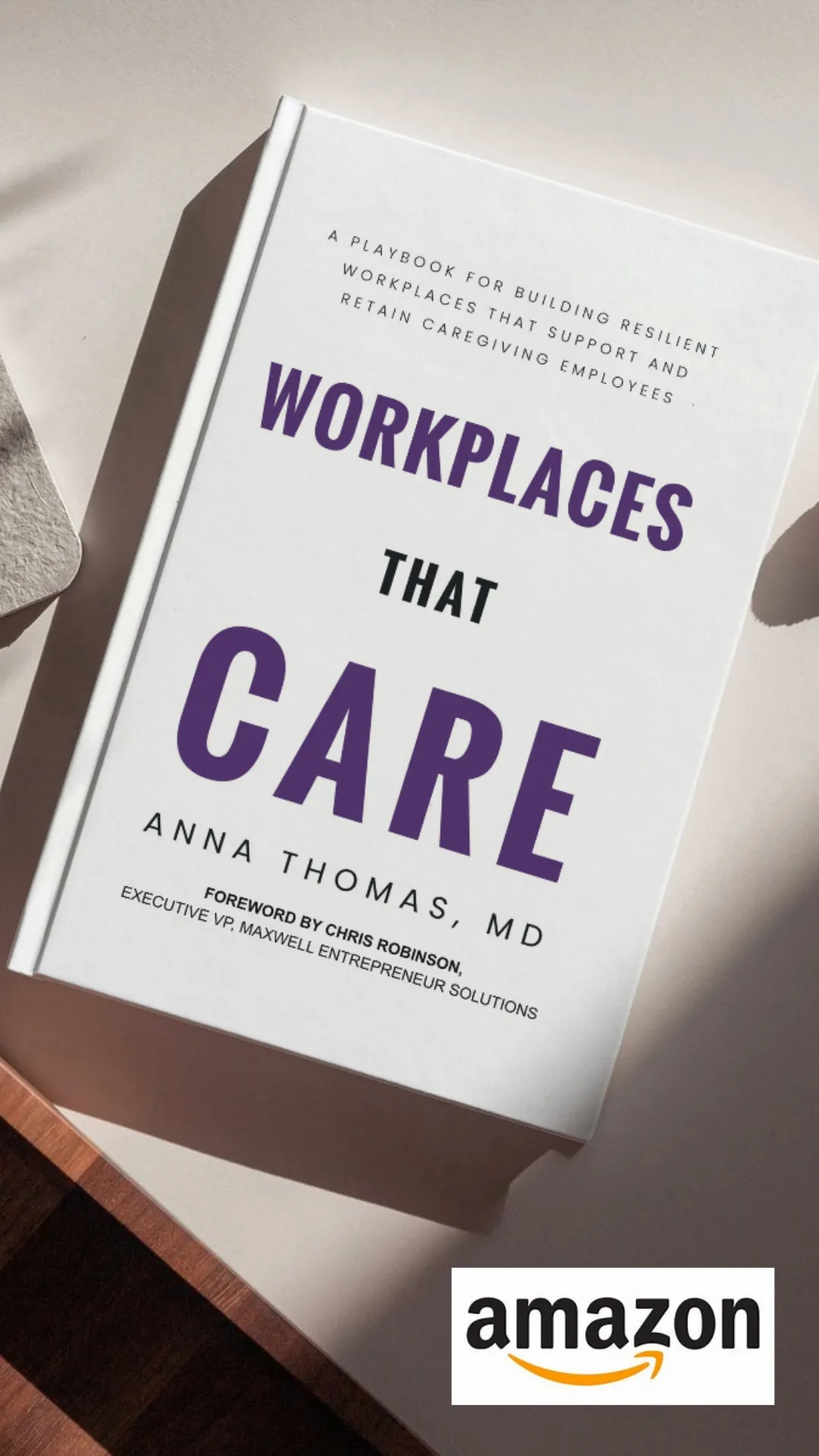
Workplaces That Care Book: https://amzn.to/49w0cl1
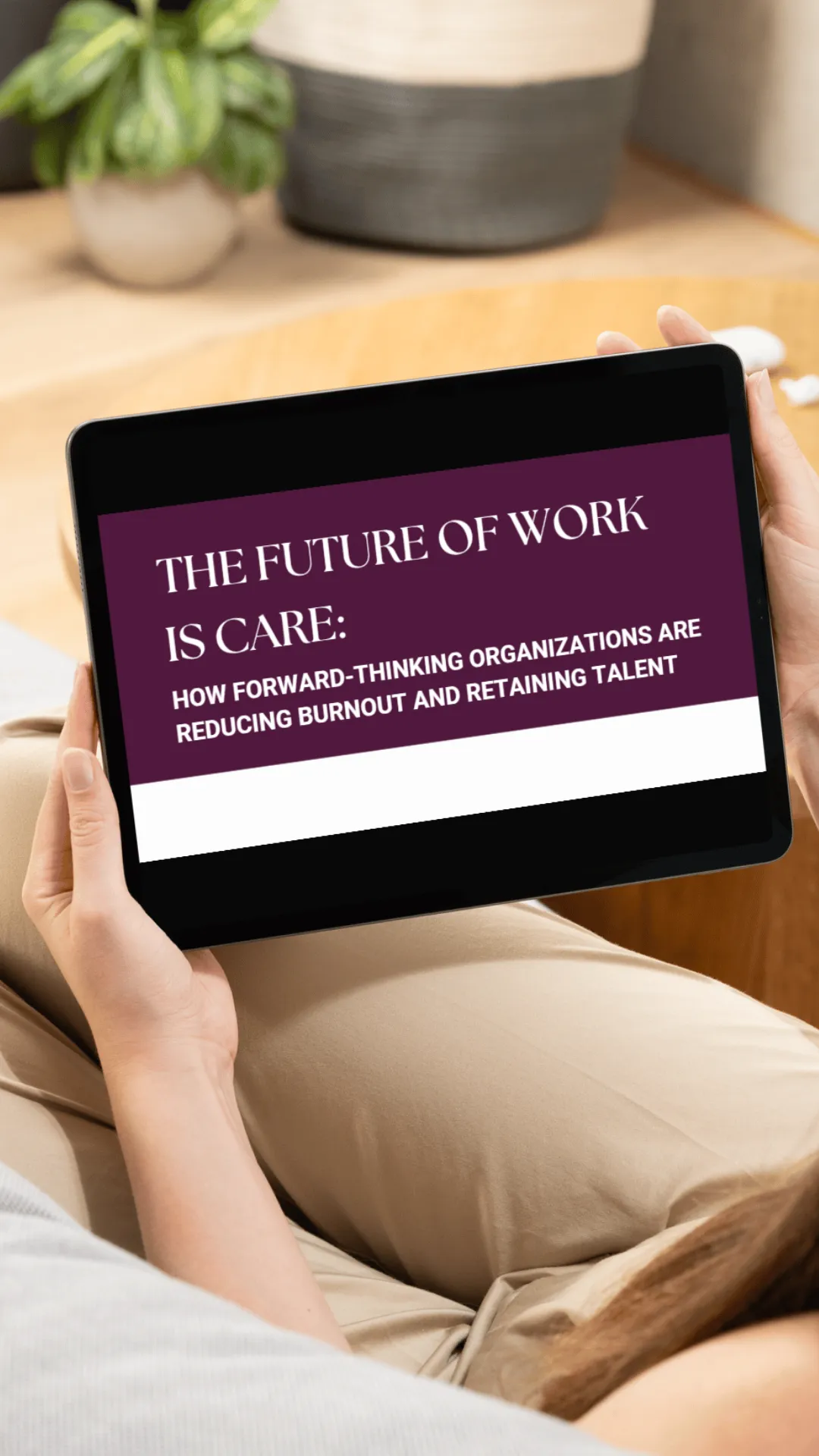
The Future of Work is CARE (free training): https://workplacesthatcare.com/webinar-registration
*Bio: Dr. Anna Thomas is a board-certified physician, TEDx speaker, workplace wellbeing strategist, and leadership coach who helps organizations strengthen culture, resilience, and performance in a changing world. As founder of LifeCare LeadHership and Workplaces That Care, she blends clinical insight with leadership development to teach practical tools for building supportive, care-ready workplaces. Her keynotes and trainings address workforce wellbeing, retention, burnout prevention, caregiving in the workplace, women’s leadership, and navigating life and work transitions. As the creator of the CARE Framework, she equips leaders to support the whole person so teams stay engaged, healthy, and committed. Audiences appreciate her grounded delivery, relatable stories, and clear, actionable strategies. Learn more or book Dr. Thomas at www.WorkplaceWellbeingSpeaker.com
The views and opinions expressed in this post are solely those of Dr. Thomas and do not reflect the views of any past or present employer. This content is for educational and informational purposes only and is not intended as medical or legal advice.