What Tools Actually Support Employee Caregivers? Turning Policy Into Real-World Impact
Many organizations have taken meaningful steps toward supporting employees who are caregivers.
They have introduced flexible policies. Expanded benefits. Communicated a commitment to wellbeing.
And yet, when employees are asked a simple question—what actually helps you day to day—the answer is often unclear.
This gap is not about intention. It is about implementation.
As explored in this discussion , the difference between support that feels symbolic and support that feels real often comes down to tools. Policies set expectations, but tools make those expectations usable.
Without the right systems in place, even the strongest policies can remain invisible, underutilized, or difficult to access.
Why Tools Matter More Than We Think
Caregiving is not a single task. It is a series of ongoing responsibilities that require coordination, decision-making, and emotional energy.
Employees managing care are often juggling schedules, appointments, documentation, communication with providers, and unexpected disruptions.
When workplaces offer support without making it accessible, employees are left to manage these responsibilities on their own.
This creates friction.
Friction leads to stress. Stress affects performance, engagement, and retention.
Tools reduce that friction.
They make it easier for employees to access resources, manage responsibilities, and stay connected to their work without becoming overwhelmed.
The Difference Between Policy and Practice
It is common for organizations to invest in caregiver support policies that never fully take hold.
The reason is not lack of value. It is lack of usability.
Policies describe what is possible. Tools determine what is practical.
If accessing a benefit requires navigating multiple systems, completing complex forms, or searching for information across different platforms, employees are less likely to use it.
In contrast, when tools are centralized, intuitive, and easy to access, support becomes part of the daily workflow.
This is where real impact begins.
Key Tool Categories That Make a Difference
To create meaningful support, organizations need to think in terms of systems rather than isolated solutions.
Several categories of tools consistently emerge as effective.
Care Coordination Platforms
At the center of caregiver support is coordination.
Employees need a way to manage tasks, track responsibilities, and access guidance in one place.
Care coordination platforms provide a centralized system where employees can organize care-related activities, connect with resources, and receive support.
These platforms reduce the cognitive load of managing multiple responsibilities across different channels.
They also provide organizations with insight into common challenges and areas where additional support may be needed.
Toolkits and Resource Directories
Sometimes, the most effective tools are simple and well-organized.
Caregiver toolkits and resource directories provide curated information that employees can access when they need it.
This may include guidance on care planning, financial considerations, legal resources, or available services.
The value lies in clarity.
Instead of searching for information independently, employees have a trusted starting point that saves time and reduces uncertainty.
Flexible Scheduling Systems
Flexibility is one of the most important forms of support for caregivers.
However, flexibility without structure can create confusion and inconsistency.
Scheduling tools that allow for adjustments, visibility, and coordination make flexibility manageable for both employees and managers.
Features such as shift swaps, variable schedules, and real-time updates enable teams to adapt without disrupting operations.
When these tools are integrated with organizational policies, they create a smoother experience for everyone involved.
Backup Care and Respite Services
Some of the most impactful tools are not digital.
Access to backup care or respite services provides immediate, tangible support when unexpected situations arise.
These services allow employees to manage emergencies without having to choose between their responsibilities at home and their responsibilities at work.
The key to effectiveness is ease of access.
Clear processes, simple booking systems, and transparent guidelines increase trust and usage.
Analytics and Insight Tools
To sustain and improve caregiver support, organizations need visibility.
Analytics tools provide data on how support systems are being used, where gaps exist, and which resources are most valuable.
This information allows leaders to make informed decisions and refine their approach over time.
Without data, it is difficult to know what is working.
With data, support becomes more targeted and effective.
Building an Integrated Support System
The most effective organizations do not rely on a single tool.
They create integrated systems that connect different types of support into a cohesive experience.
Imagine an employee navigating a caregiving challenge.
They access a central platform to organize tasks and connect with resources. They use a scheduling tool to adjust their work hours. If an emergency arises, they access backup care services through the same system.
At the same time, leaders and HR teams have access to anonymized insights that help them understand usage patterns and identify areas for improvement.
This level of integration reduces complexity.
It allows employees to focus on what matters rather than navigating multiple disconnected systems.
What to Look for When Choosing Tools
Not all tools are equally effective.
When evaluating options, several factors are important.
Ease of use is critical. If a tool is not intuitive, it will not be adopted.
Accessibility matters. Mobile-friendly platforms ensure that employees can access support when and where they need it.
Privacy and security are essential, particularly when dealing with sensitive information.
Integration with existing systems reduces duplication and streamlines processes.
Finally, support and guidance should be part of the offering. Tools that include coaching or resource matching can provide additional value.
Moving From Intention to Impact
Supporting caregivers is not just about offering resources.
It is about ensuring those resources are usable.
Tools are the bridge between what organizations say they provide and what employees actually experience.
When that bridge is strong, support becomes visible, accessible, and effective.
When it is weak, even the best intentions can fall short.
Why This Matters for the Future of Work
As the workforce continues to evolve, caregiving responsibilities are becoming more common and more complex.
Organizations that invest in practical, user-centered tools will be better positioned to support their employees and maintain performance.
Those that do not may find that their policies are not enough to meet the needs of their teams.
The opportunity is to move beyond intention and build systems that work in real life.
Taking the Next Step
If you are evaluating how to strengthen support for caregivers in your organization, start by looking at your tools.
Are they accessible? Are they integrated? Are they being used?
These questions can provide valuable insight into where improvements are needed.
And if you are ready to go deeper, I invite you to stay connected.
Subscribe to the Workplaces That Care newsletter for practical strategies, leadership insights, and tools to help you build a workplace where support is not just offered, but experienced.
Together, let's build a workplace that CARES!
Dr. Anna Thomas
Explore More from Workplaces That Care
Read More: https://workplacesthatcare.com/blog
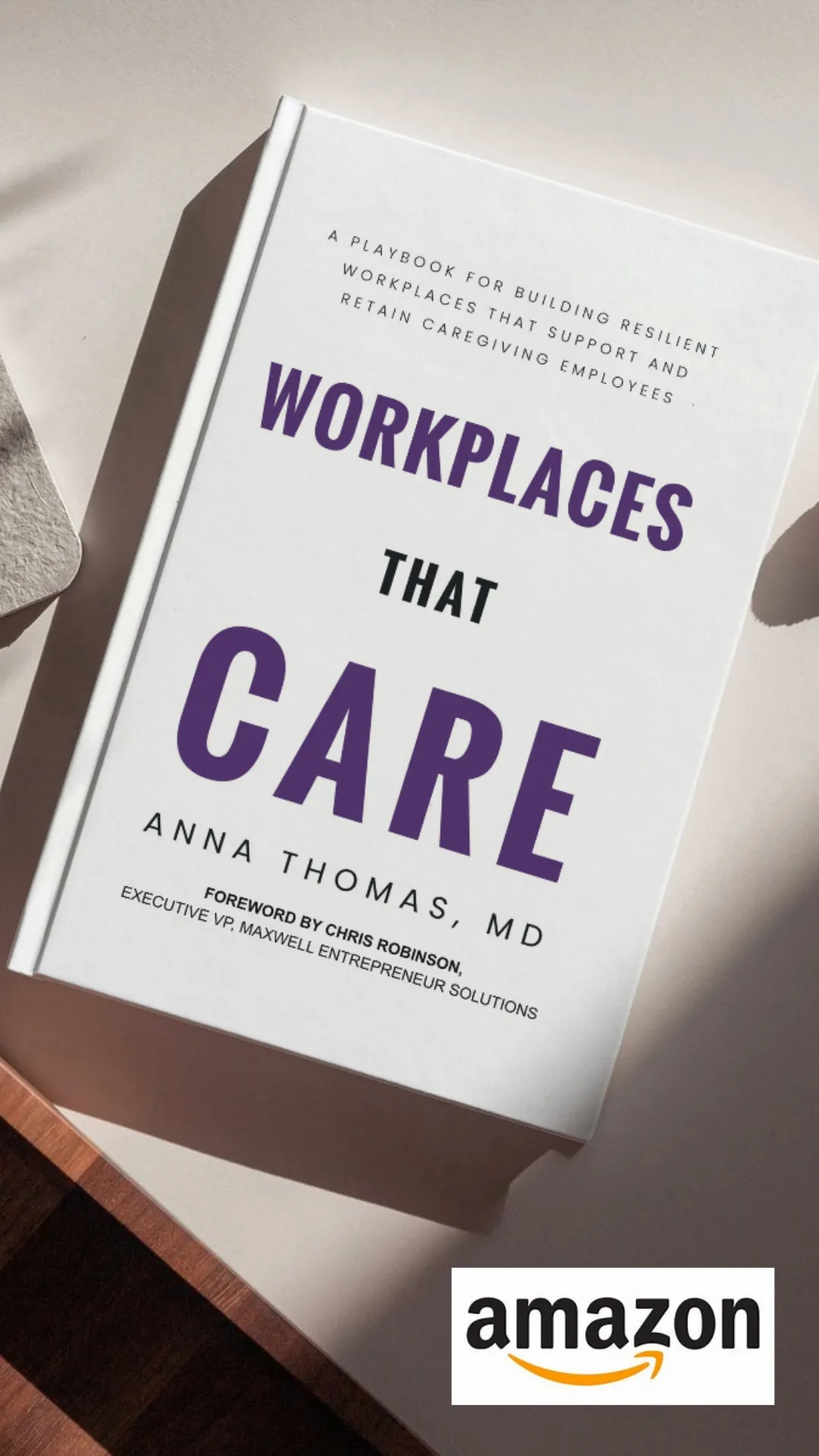
Workplaces That Care Book: https://amzn.to/49w0cl1
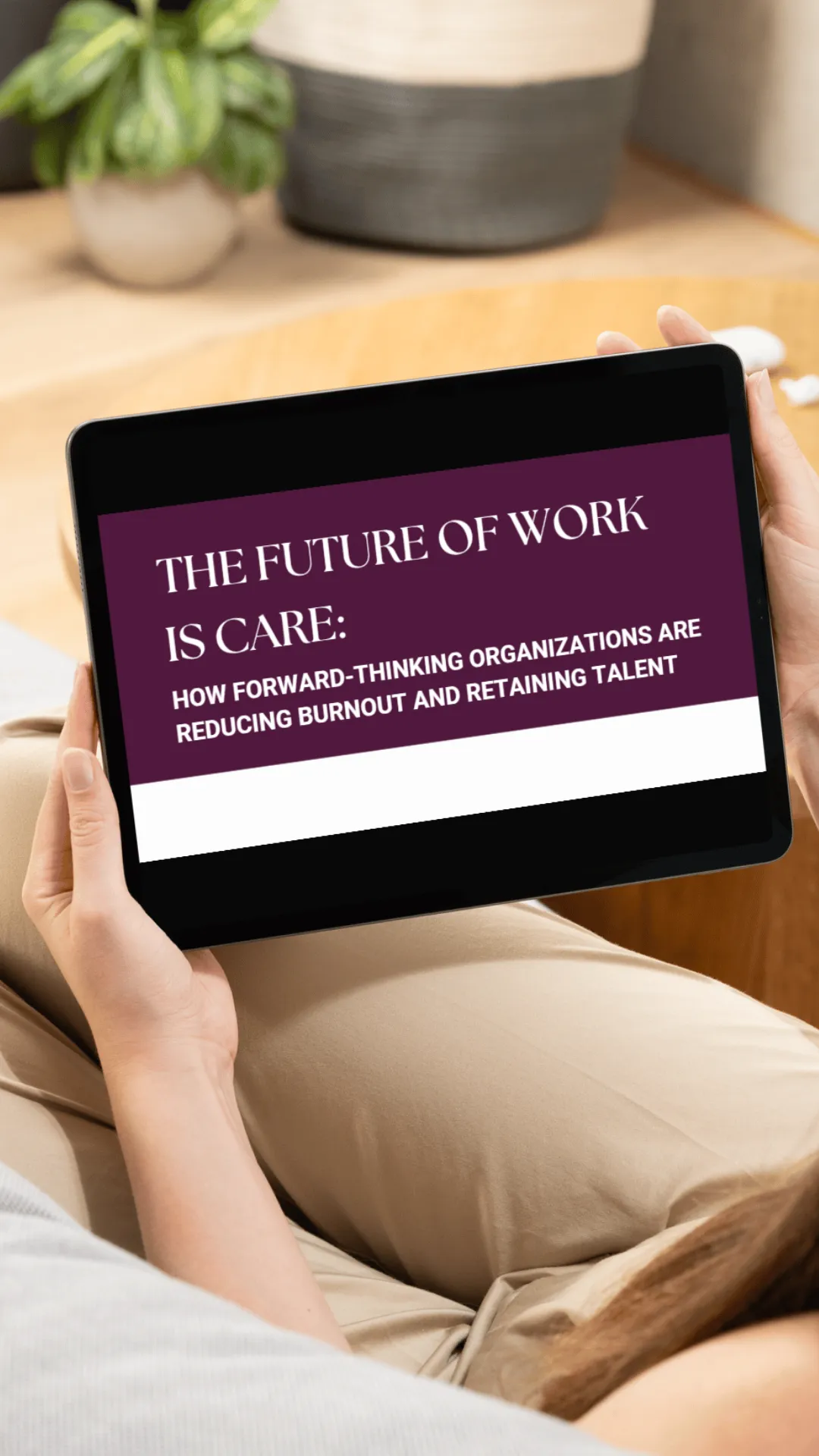
The Future of Work is CARE (free training): https://workplacesthatcare.com/webinar-registration
*Bio: Dr. Anna Thomas is a board-certified physician, TEDx speaker, workplace wellbeing strategist, and leadership coach who helps organizations strengthen culture, resilience, and performance in a changing world. As founder of LifeCare LeadHership and Workplaces That Care, she blends clinical insight with leadership development to teach practical tools for building supportive, care-ready workplaces. Her keynotes and trainings address workforce wellbeing, retention, burnout prevention, caregiving in the workplace, women’s leadership, and navigating life and work transitions. As the creator of the CARE Framework, she equips leaders to support the whole person so teams stay engaged, healthy, and committed. Audiences appreciate her grounded delivery, relatable stories, and clear, actionable strategies. Learn more or book Dr. Thomas at www.WorkplaceWellbeingSpeaker.com
The views and opinions expressed in this post are solely those of Dr. Thomas and do not reflect the views of any past or present employer. This content is for educational and informational purposes only and is not intended as medical or legal advice.