How to Integrate Life Balance into Performance Reviews Without Lowering Expectations
Imagine an employee who has delivered strong results all year.
They have met goals, navigated challenges, and stayed committed to their work. But when performance review season arrives, the conversation shifts.
Attention moves to what was missed. The meetings they could not attend. The hours they did not log. The moments they had to step away.
Their performance remains strong, yet something critical is overlooked.
Their life.
As explored in this discussion , traditional performance systems often fail to account for the reality that employees are balancing complex personal and professional demands. And when those systems ignore context, they unintentionally penalize the very people they want to retain.
Where Traditional Performance Reviews Fall Short
Many organizations still rely on metrics that are easy to measure but incomplete.
Hours worked. Time online. Visibility in meetings.
These indicators may seem objective, but they often miss the full picture of contribution. They reward presence over impact and consistency over adaptability.
For employees managing caregiving responsibilities, health challenges, or other life demands, these systems create an uneven playing field.
The issue is not performance. It is how performance is defined.
When visibility becomes the proxy for value, employees who work differently are often undervalued, regardless of the quality of their outcomes.
This creates a culture where flexibility is perceived as a lack of commitment and where life balance becomes something to hide rather than something to support.
Rethinking Performance Without Lowering Standards
There is a common concern that integrating life balance into performance reviews will dilute expectations.
In reality, the opposite is true.
When done thoughtfully, it strengthens accountability while making evaluations more accurate and fair.
The key is shifting from measuring activity to measuring impact.
Outcomes, quality of work, and contribution to team goals should be the foundation of any evaluation. These indicators reflect true performance, regardless of when or how the work is completed.
At the same time, context matters.
Acknowledging life circumstances does not mean lowering the bar. It means understanding the conditions under which performance occurs.
An employee who maintains strong results during a challenging period demonstrates not less capability, but more.
Making Resilience and Adaptability Visible
One of the most overlooked aspects of performance is the ability to navigate complexity.
Employees who balance demanding personal responsibilities while sustaining performance are demonstrating resilience, prioritization, and emotional intelligence.
These are not secondary traits. They are essential leadership skills.
By recognizing these qualities within performance reviews, organizations send a powerful message. They signal that success is not just about output, but also about how individuals manage challenges and support others.
This shift transforms life balance from a perceived limitation into a source of strength.
Designing More Inclusive Evaluation Criteria
Integrating life balance into performance reviews does not require abandoning existing metrics. It requires expanding how those metrics are interpreted.
Core performance indicators such as productivity, quality, collaboration, and impact remain essential. What changes is the lens through which they are evaluated.
Additional dimensions can provide a more complete view.
Adaptive capacity reflects how well an employee adjusts to shifting demands. Boundary management highlights the ability to communicate needs and maintain sustainable work patterns. Care leadership recognizes how personal experiences enhance empathy and team dynamics.
Including a space for context allows employees to share relevant information about external pressures or constraints. This is not about justification. It is about clarity.
Equally important is providing guidance for managers. Clear prompts and training help ensure that context is interpreted fairly and consistently.
Changing the Language of Performance Conversations
How leaders communicate during performance reviews has a lasting impact.
Language can either reinforce outdated expectations or support a more balanced and human-centered approach.
Acknowledging effort and adaptability is a powerful starting point. Recognizing how someone maintained focus during a challenging period validates both their performance and their experience.
Framing flexibility as a strength rather than a weakness shifts the narrative. It reinforces that different ways of working can still produce strong results.
Forward-looking conversations are equally important. Asking what support is needed to sustain performance creates a sense of partnership and shared responsibility.
These conversations build trust. They demonstrate that the organization values both achievement and wellbeing.
Embedding Change Across the Organization
For this approach to be effective, it must be supported structurally.
Leadership alignment is critical. When senior leaders model and endorse these changes, it sets the tone for the entire organization.
Performance review frameworks and tools must be updated to reflect new criteria and expectations. Training ensures that managers understand how to apply these changes consistently.
Incorporating discussions of life context into review preparation helps normalize the conversation. It reduces stigma and encourages openness.
Calibration sessions focused on fairness and equity can further strengthen the process. They help identify bias and ensure that evaluations are based on impact rather than assumptions.
Testing these changes within smaller teams can provide valuable insights before broader implementation.
Why This Matters More Than Ever
Performance reviews do more than determine compensation or advancement.
They communicate values.
They signal who is recognized, who is supported, and who belongs.
When life balance is ignored, employees who are managing real responsibilities may feel unseen or undervalued. Over time, this erodes trust and increases the likelihood of disengagement or departure.
When life balance is integrated, the message is different.
It says that performance is measured with fairness and understanding. It reinforces that employees do not have to choose between their work and their wellbeing.
This approach strengthens both retention and culture.
Moving Forward with Intention
The workplace is evolving. Employees are navigating increasingly complex lives, and organizations must evolve with them.
Integrating life balance into performance reviews is not about making exceptions. It is about creating systems that reflect reality.
It is about aligning expectations with how work actually happens.
And it is about recognizing that sustainable performance requires both high standards and thoughtful support.
If you are ready to take a more human-centered approach to performance, this is an opportunity to lead with intention.
To build systems that are not only effective, but also equitable.
And to create a culture where people can succeed without having to hide the realities of their lives.
If you would like more practical strategies and guidance, I invite you to stay connected.
Subscribe to the Workplaces That Care newsletter for insights, tools, and leadership strategies that help you build a workplace where people and performance thrive together.
Together, let's build a workplace that CARES!
Dr. Anna Thomas
Explore More from Workplaces That Care
Read More: https://workplacesthatcare.com/blog
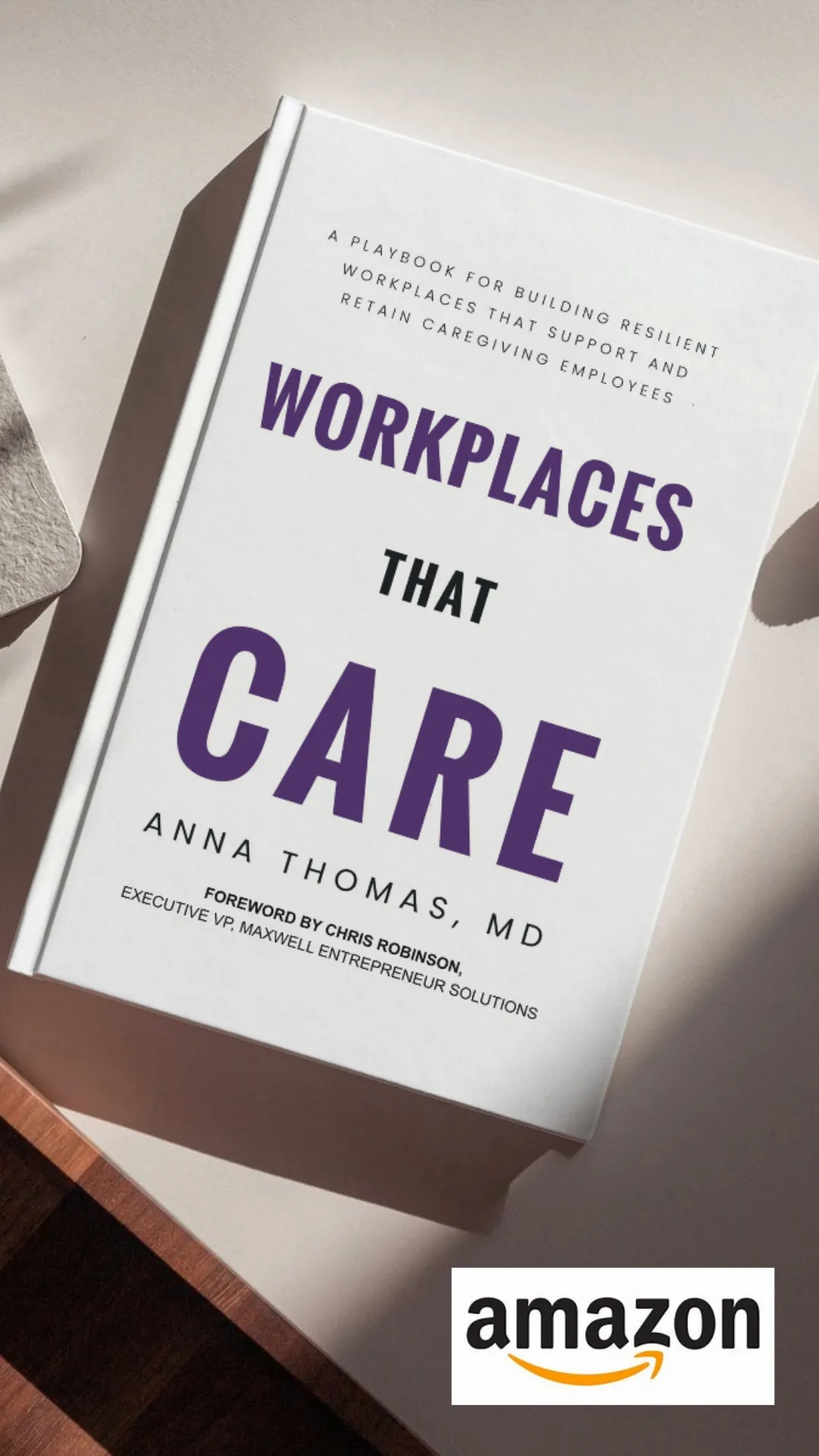
Workplaces That Care Book: https://amzn.to/49w0cl1
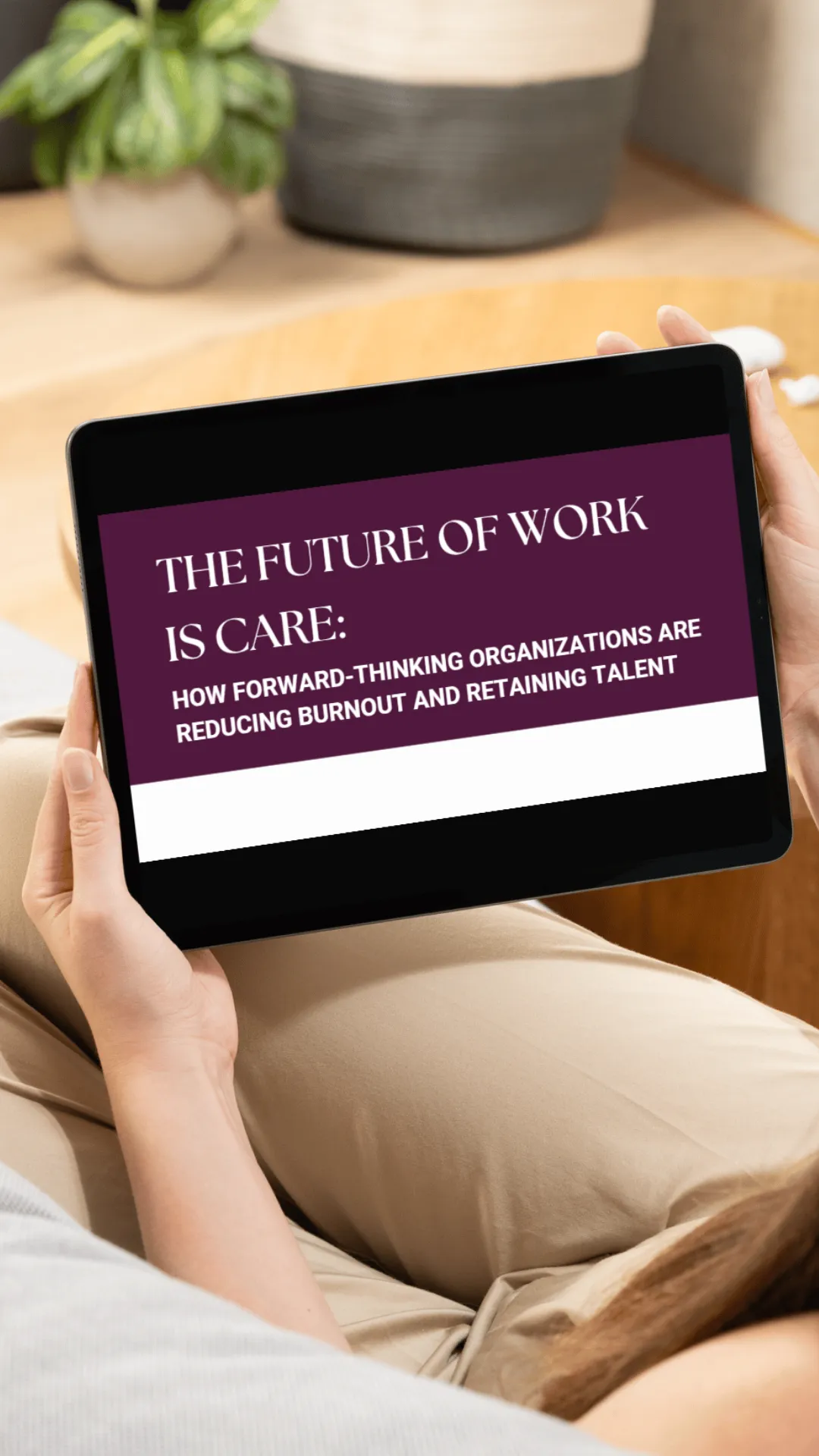
The Future of Work is CARE (free training): https://workplacesthatcare.com/webinar-registration
*Bio: Dr. Anna Thomas is a board-certified physician, TEDx speaker, workplace wellbeing strategist, and leadership coach who helps organizations strengthen culture, resilience, and performance in a changing world. As founder of LifeCare LeadHership and Workplaces That Care, she blends clinical insight with leadership development to teach practical tools for building supportive, care-ready workplaces. Her keynotes and trainings address workforce wellbeing, retention, burnout prevention, caregiving in the workplace, women’s leadership, and navigating life and work transitions. As the creator of the CARE Framework, she equips leaders to support the whole person so teams stay engaged, healthy, and committed. Audiences appreciate her grounded delivery, relatable stories, and clear, actionable strategies. Learn more or book Dr. Thomas at www.WorkplaceWellbeingSpeaker.com
The views and opinions expressed in this post are solely those of Dr. Thomas and do not reflect the views of any past or present employer. This content is for educational and informational purposes only and is not intended as medical or legal advice.