Why Caregiving Must Be Integrated Into Talent Strategy and Succession Planning
Picture your highest-potential employees.
They are the ones you are investing in, developing, and preparing for future leadership roles. You have mapped out their growth, assigned them stretch opportunities, and placed them firmly within your succession plans.
Now consider something that may not be visible in those plans.
Some of these employees are also caregivers.
They may be supporting children, aging parents, partners, or multiple family members at once. They are managing professional responsibilities alongside personal demands that require time, attention, and emotional energy.
And in many cases, they are doing it quietly.
As explored in this discussion , when organizations fail to account for caregiving within their talent strategies, they risk losing the very leaders they are trying to develop.
The Hidden Risk in Your Talent Pipeline
Succession planning often focuses on clear and measurable criteria.
Performance. Potential. Readiness. Experience.
These metrics are important, but they do not capture the full picture of an employee’s capacity or trajectory.
Caregiving responsibilities can significantly influence an individual’s ability to take on new roles, accept stretch assignments, or maintain a traditional leadership path.
When this factor is not acknowledged, it creates gaps that may only become visible when it is too late.
A high-potential employee may decline an opportunity because of increased demands at home. Another may be passed over due to perceived limitations in availability, despite strong performance. Others may quietly step away from leadership tracks altogether.
These are not isolated incidents. They are patterns.
And when they occur, organizations lose more than talent. They lose continuity, institutional knowledge, and future leadership strength.
Rethinking Leadership Through a Care Lens
To address this challenge, leaders must begin to shift how they define leadership potential.
Caregiving should not be viewed as a barrier. It should be recognized as a context that shapes capability.
Individuals who manage caregiving responsibilities often develop skills that are essential for leadership. They learn to prioritize effectively, navigate uncertainty, manage crises, and communicate with empathy.
These are not secondary competencies. They are core to leading teams in complex environments.
Recognizing this requires a change in perspective.
Leadership trajectories do not have to be linear. They can adapt to different life stages and responsibilities. An employee’s path may shift in pace or structure, but that does not diminish their potential.
When organizations embrace this flexibility, they create space for more diverse and resilient leadership pipelines.
Integrating Care Into Succession Strategy
Incorporating caregiving into talent strategy does not mean lowering expectations. It means designing systems that reflect reality.
One important step is expanding how readiness is evaluated. In addition to traditional metrics, leaders can consider how individuals manage complexity, adapt to change, and demonstrate resilience.
These qualities often emerge most clearly in the context of caregiving.
Another approach is to design more flexible leadership pathways. This may include shared leadership roles, adjusted timelines for advancement, or opportunities to step into and out of roles without long-term penalties.
These structures allow employees to continue developing while managing personal responsibilities.
Building redundancy into the pipeline is also critical. Cross-training and overlapping roles ensure that transitions do not disrupt the organization when someone needs to step back temporarily.
Equally important is creating a culture where caregiving can be acknowledged without stigma. Employees should feel safe discussing constraints that may affect their development path, within appropriate boundaries.
When leaders have visibility into these realities, they can plan more effectively and support employees more strategically.
Finally, organizations should track patterns within their talent pipeline. Who is advancing, who is pausing, and who is leaving? Identifying trends related to caregiving can provide valuable insights and guide adjustments to strategy.
The Role of Leadership Conversations
The way leaders communicate about caregiving can shape how it is perceived across the organization.
Acknowledging the skills developed through caregiving reinforces its value. Recognizing how employees manage competing demands highlights their capability.
Offering opportunities with flexibility demonstrates that growth and support can coexist.
These conversations do more than address immediate needs. They influence how employees see themselves and their potential within the organization.
When caregiving is framed as part of leadership, it expands what leadership looks like.
Why This Matters for the Future of Work
The workforce is evolving, and caregiving is becoming an increasingly common part of employees’ lives.
Organizations that fail to account for this reality risk building talent strategies that are not sustainable.
Succession plans that assume constant availability or uninterrupted progression may not reflect the actual conditions under which employees operate.
By integrating caregiving into these plans, organizations can create more accurate, resilient, and inclusive systems.
This approach supports not only individual employees but also the long-term stability of the organization.
Moving Forward with Intention
Leadership is not just about identifying talent. It is about creating the conditions in which that talent can thrive.
Integrating caregiving into talent strategy is an essential part of that work.
It requires thoughtful design, open communication, and a willingness to challenge traditional assumptions.
But the benefits are significant.
Stronger retention. Greater loyalty. More adaptable leadership pipelines.
And a culture that reflects the realities of the people within it.
If you are ready to strengthen your talent strategy and build a more resilient leadership pipeline, this is an opportunity to lead with intention.
To create systems that support both performance and people.
And to ensure that your future leaders are not lost simply because their full lives were never considered.
If you would like more practical strategies and insights, I invite you to stay connected.
Subscribe to the Workplaces That Care newsletter for guidance on building workplaces where leadership and life can coexist.
Together, let's build a workplace that CARES!
Dr. Anna Thomas
Explore More from Workplaces That Care
Read More: https://workplacesthatcare.com/blog
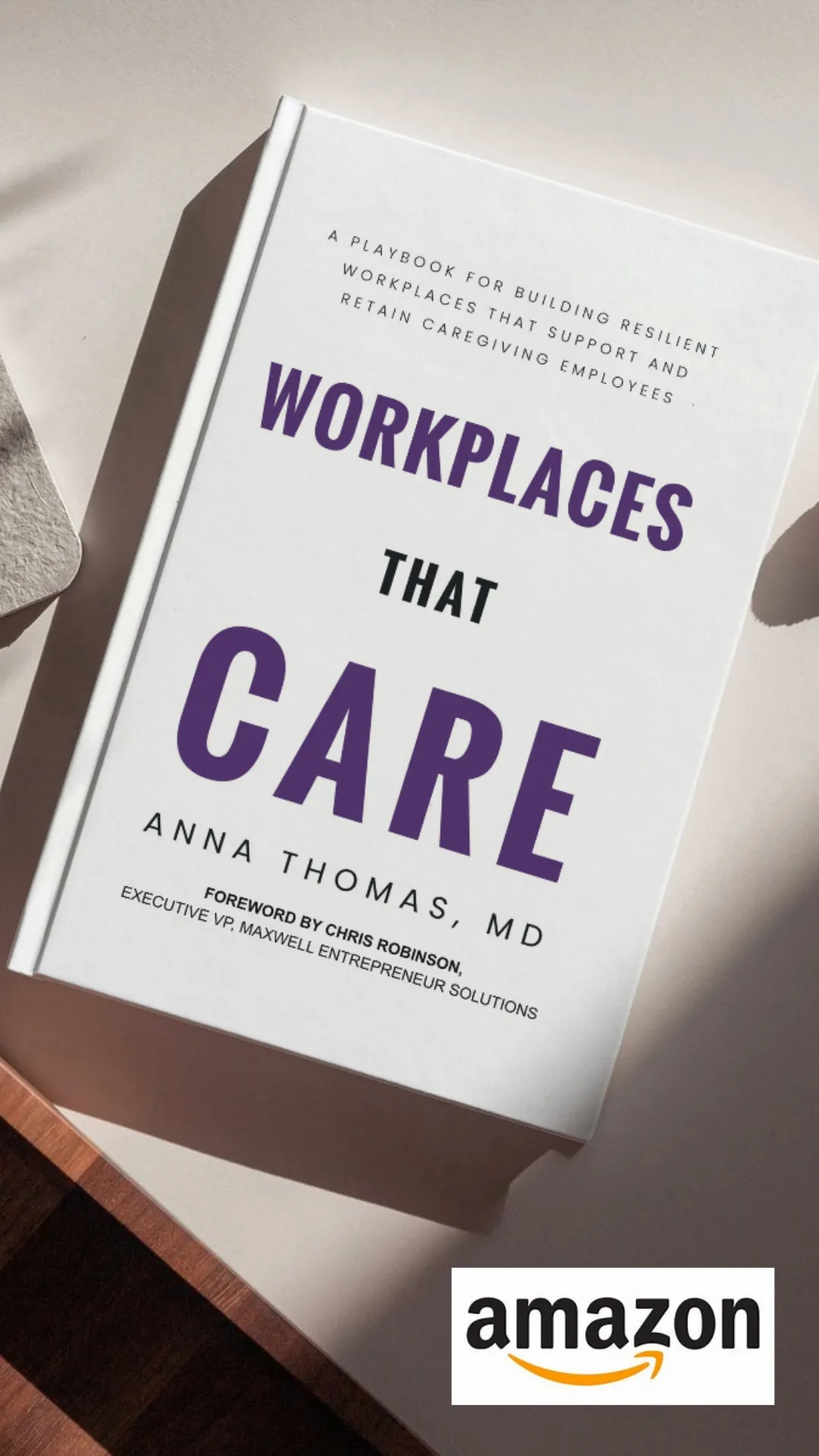
Workplaces That Care Book: https://amzn.to/49w0cl1
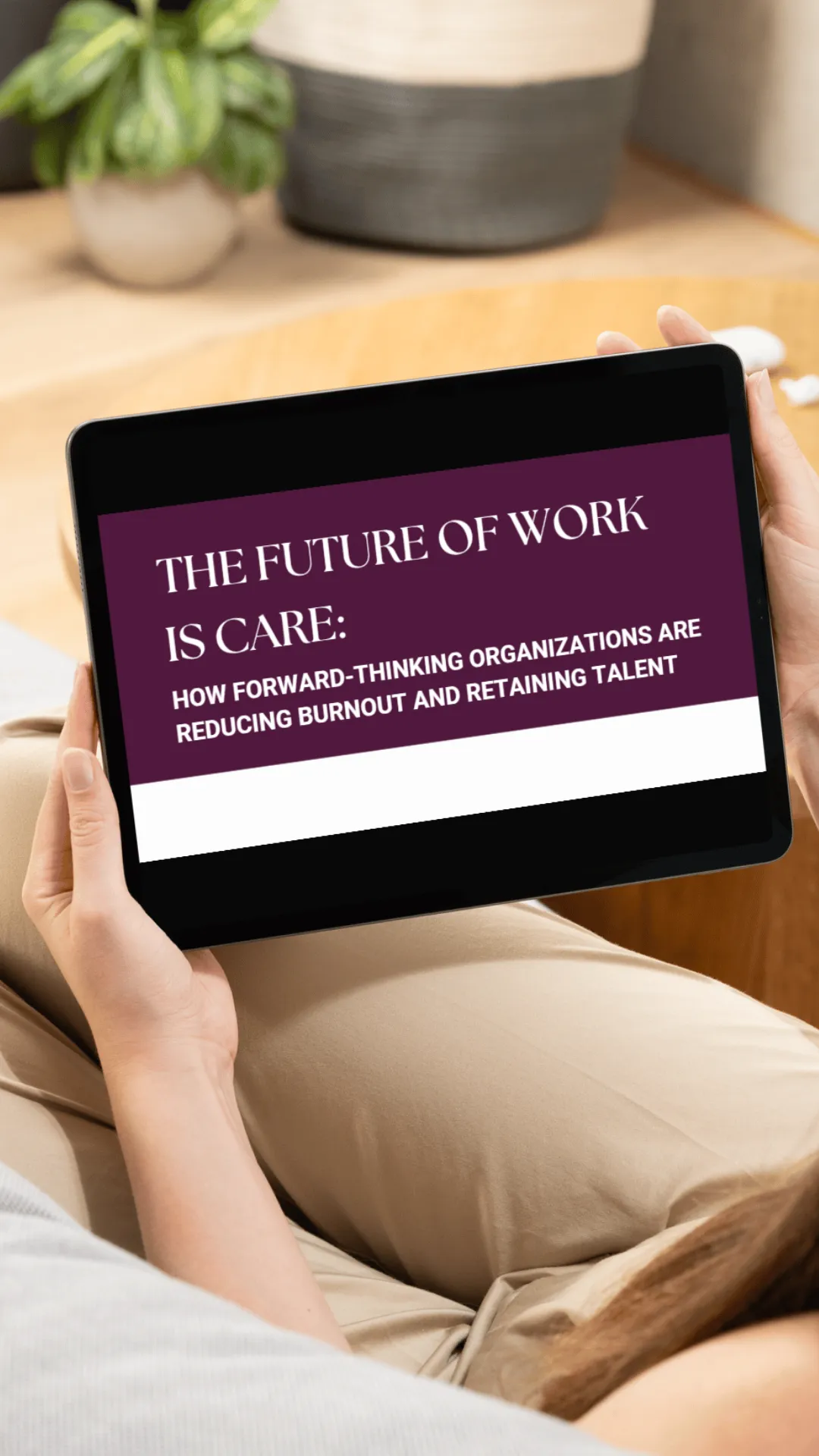
The Future of Work is CARE (free training): https://workplacesthatcare.com/webinar-registration
*Bio: Dr. Anna Thomas is a board-certified physician, TEDx speaker, workplace wellbeing strategist, and leadership coach who helps organizations strengthen culture, resilience, and performance in a changing world. As founder of LifeCare LeadHership and Workplaces That Care, she blends clinical insight with leadership development to teach practical tools for building supportive, care-ready workplaces. Her keynotes and trainings address workforce wellbeing, retention, burnout prevention, caregiving in the workplace, women’s leadership, and navigating life and work transitions. As the creator of the CARE Framework, she equips leaders to support the whole person so teams stay engaged, healthy, and committed. Audiences appreciate her grounded delivery, relatable stories, and clear, actionable strategies. Learn more or book Dr. Thomas at www.WorkplaceWellbeingSpeaker.com
The views and opinions expressed in this post are solely those of Dr. Thomas and do not reflect the views of any past or present employer. This content is for educational and informational purposes only and is not intended as medical or legal advice.