How Leaders Can Use AI to Reduce Meeting Fatigue and Protect Focus Time
There is a moment most leaders recognize instantly.
You open your calendar at the start of the day, and it is already full.
Not with meaningful work.
With meetings.
One after another, with little space in between. And behind each of those meetings is a person trying to maintain focus, manage their energy, and still find time to do the work they were actually hired to do.
This is not a scheduling issue. It is a structural one.
As explored in this discussion , the challenge facing organizations today is not simply the volume of meetings, but the cumulative impact they have on attention, energy, and performance.
Meeting Fatigue Is a Signal, Not a Weakness
Meeting fatigue is often misunderstood.
It is not a reflection of disengagement or lack of resilience. It is a response to cognitive overload.
Humans are not designed to shift continuously from one conversation to another without pause. Each meeting requires attention, interpretation, decision-making, and emotional engagement.
When these demands stack without recovery time, the result is fatigue.
Over time, this fatigue affects more than energy levels. It reduces clarity, slows decision-making, and limits creativity.
Employees may still attend meetings, but their ability to contribute meaningfully begins to decline.
Why Meetings Multiply
Leaders often feel trapped in meeting-heavy environments.
Meetings serve a purpose. They facilitate communication, alignment, and decision-making. Removing them entirely is neither practical nor desirable.
But many meetings are not created with intention.
They exist because they always have. Recurring meetings continue without reevaluation. Updates that could be shared asynchronously become scheduled conversations.
Over time, calendars fill not because every meeting is essential, but because the system has not been redesigned.
How AI Changes the Equation
Artificial intelligence offers leaders an opportunity to rethink how work is structured.
Not by eliminating collaboration, but by making it more intentional.
AI can reduce the need for certain types of meetings by providing alternative ways to share information and maintain alignment.
For example, a routine update that once required a group meeting can be recorded and shared as a short message. AI tools can generate summaries, highlight key points, and make the information accessible to everyone who needs it.
This approach saves time without sacrificing clarity.
It also allows employees to engage with information when they are most focused, rather than at a scheduled time that may not align with their workflow.
Supporting Flexibility Without Losing Connection
One of the most powerful benefits of AI-enabled communication is flexibility.
Employees are not always able to attend every meeting. Caregiving responsibilities, personal needs, or competing priorities may require them to step away.
In traditional systems, missing a meeting can create stress and disconnect.
With AI-generated summaries and recaps, employees can stay informed without needing to be present in real time.
They can review decisions, understand context, and re-engage quickly.
This reduces the pressure to be constantly available.
It also supports a more inclusive work environment, where different needs and schedules can be accommodated without penalty.
Rethinking Routine Communication
Many recurring meetings exist to maintain alignment.
Weekly check-ins, status updates, and progress reviews often follow a predictable format.
AI can help shift these interactions from synchronous to asynchronous communication.
Short updates can be shared through voice notes or written summaries. AI tools can extract key actions, highlight changes, and ensure that important information is not lost.
This allows teams to stay aligned without requiring everyone to gather at the same time.
The time saved can then be reinvested in deeper work.
Protecting Focus as a Leadership Responsibility
Focus is one of the most valuable resources in any organization.
It is also one of the most fragile.
Constant interruptions, fragmented schedules, and back-to-back meetings make it difficult for employees to enter a state of deep work.
This affects not only productivity but also satisfaction. People derive meaning from completing tasks, solving problems, and seeing the results of their efforts.
When focus is disrupted, that sense of accomplishment diminishes.
Leaders play a critical role in protecting focus.
By using AI to reduce unnecessary meetings and streamline communication, they can create space for uninterrupted work.
This is not about doing less. It is about doing better.
Creating a More Intentional Rhythm of Work
When leaders begin to rethink meetings, the impact extends beyond scheduling.
The overall rhythm of work changes.
Teams experience fewer interruptions. Energy becomes more evenly distributed. Deadlines feel more manageable because there is time to think and plan.
Creativity improves because employees have the space to explore ideas without constant disruption.
Collaboration becomes more meaningful because it is used intentionally, not habitually.
This shift does not require eliminating meetings altogether.
It requires being deliberate about when they are necessary and when they are not.
Balancing Technology and Humanity
AI is a powerful tool, but it is not a replacement for human connection.
Certain conversations require real-time interaction. Complex decisions, sensitive topics, and relationship-building benefit from being discussed together.
The goal is not to remove these moments.
It is to protect them.
By reducing unnecessary meetings, leaders can ensure that the time spent together is purposeful and valuable.
This strengthens both relationships and outcomes.
Moving Forward
Reducing meeting fatigue is not about cutting back for the sake of efficiency.
It is about creating a work environment where people can perform at their best.
AI provides the tools to support this shift, but leadership determines how those tools are used.
By prioritizing focus, simplifying communication, and designing more intentional workflows, organizations can create a healthier and more sustainable way of working.
If you are ready to rethink how your team uses time and energy, this is an opportunity to lead with intention.
And if you would like more practical strategies and insights, I invite you to stay connected.
Subscribe to the Workplaces That Care newsletter for guidance on building workplaces where focus, wellbeing, and performance can thrive together.
Together, let's build a workplace that CARES!
Dr. Anna Thomas
Explore More from Workplaces That Care
Read More: https://workplacesthatcare.com/blog
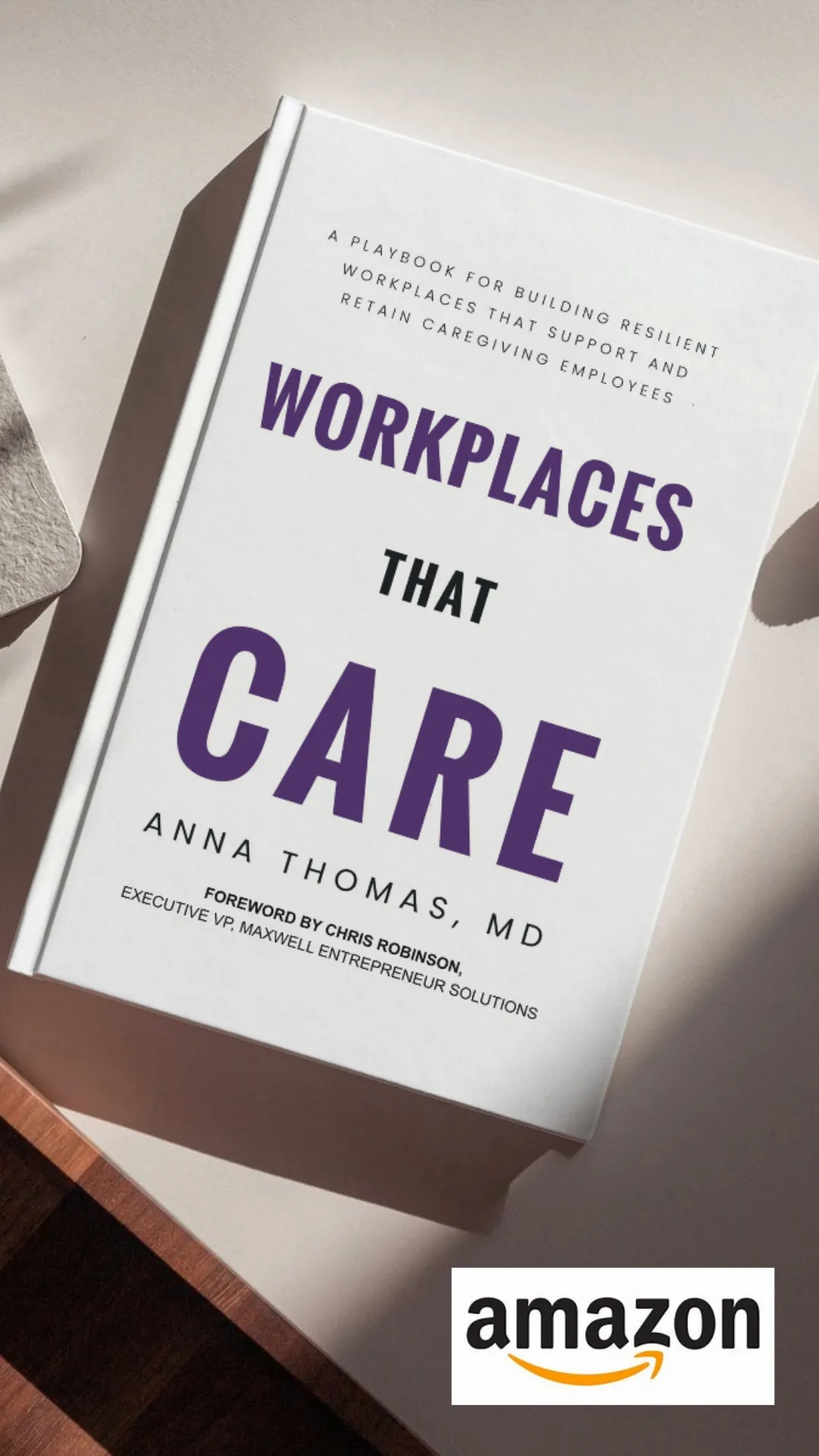
Workplaces That Care Book: https://amzn.to/49w0cl1
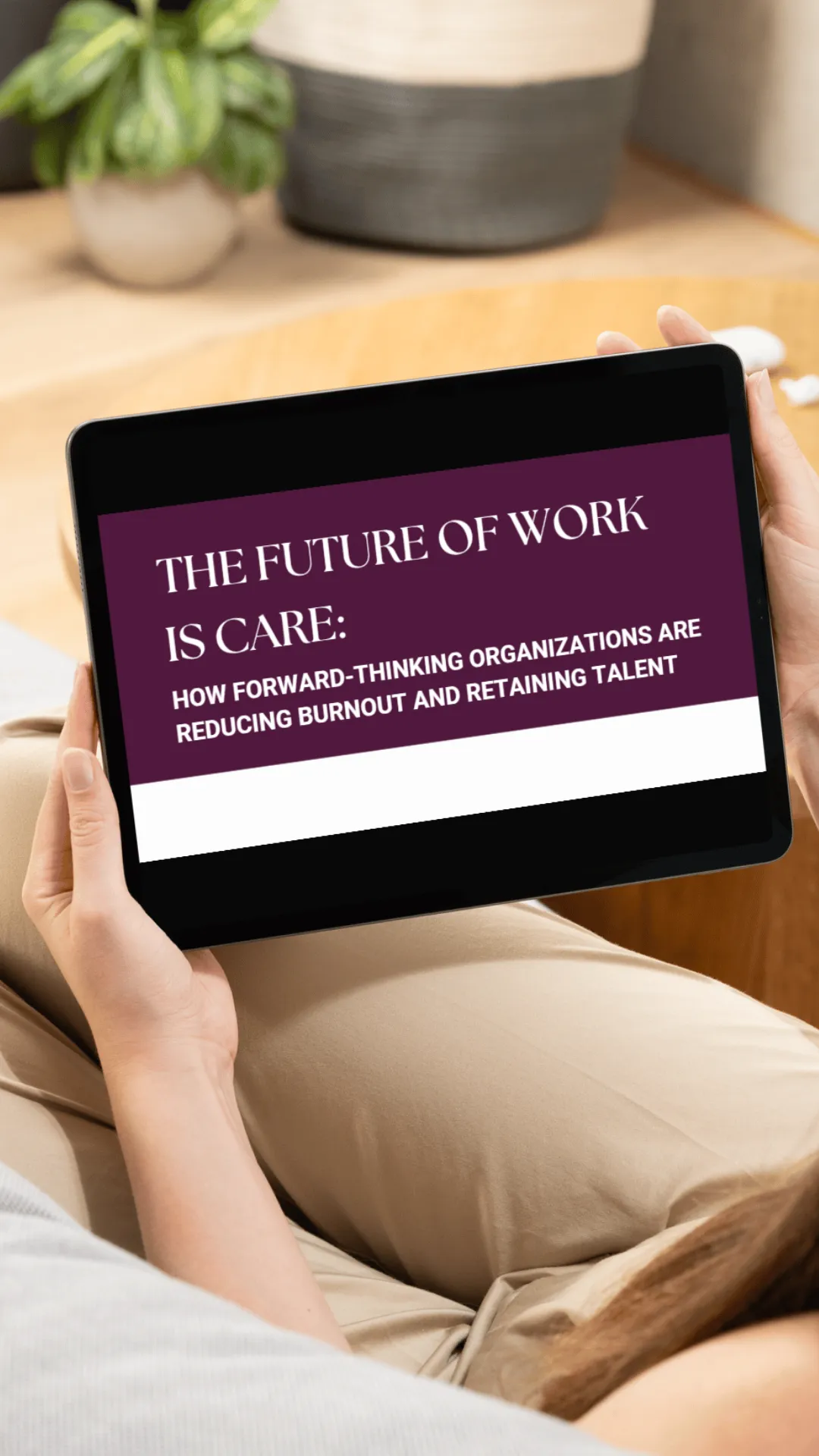
The Future of Work is CARE (free training): https://workplacesthatcare.com/webinar-registration
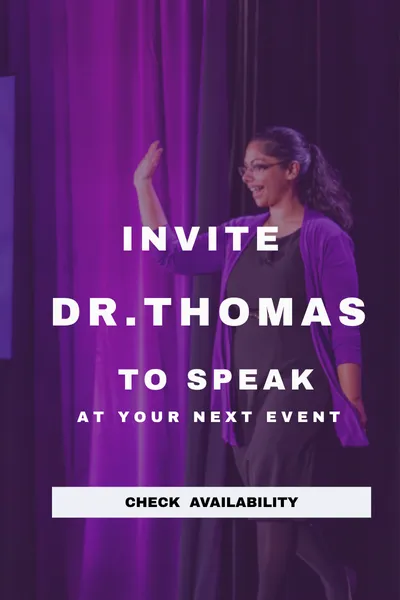
*Bio: Dr. Anna Thomas is a board-certified physician, TEDx speaker, workplace wellbeing strategist, and leadership coach who helps organizations strengthen culture, resilience, and performance in a changing world. As founder of LifeCare LeadHership and Workplaces That Care, she blends clinical insight with leadership development to teach practical tools for building supportive, care-ready workplaces. Her keynotes and trainings address workforce wellbeing, retention, burnout prevention, caregiving in the workplace, women’s leadership, and navigating life and work transitions. As the creator of the CARE Framework, she equips leaders to support the whole person so teams stay engaged, healthy, and committed. Audiences appreciate her grounded delivery, relatable stories, and clear, actionable strategies. Learn more or book Dr. Thomas at www.WorkplaceWellbeingSpeaker.com
The views and opinions expressed in this post are solely those of Dr. Thomas and do not reflect the views of any past or present employer. This content is for educational and informational purposes only and is not intended as medical or legal advice