How Can We Make ERGs for Caregivers Actually Useful—Not Just Symbolic?
How Can We Make ERGs for Caregivers Actually Useful—Not Just Symbolic?
Many organizations have recognized that employees balancing caregiving responsibilities need support. One common response has been creating Employee Resource Groups (ERGs) for caregivers. On paper, it is a positive step. The organization announces the new group, highlights it on the company website, and invites employees to participate.
But after the initial excitement fades, participation often declines. Meetings become less frequent, attendance drops, and conversations lose momentum. Eventually, the ERG becomes something employees know exists but rarely engage with.
Why does this happen?
The answer is simple. Many caregiver ERGs are launched with good intentions but without the structure, resources, and organizational influence needed to succeed.
A successful caregiver ERG is much more than a social group. It can become a trusted community, a source of practical support, a valuable feedback channel, and a catalyst for meaningful organizational change. When organizations invest in building these groups thoughtfully, they strengthen employee engagement, improve retention, and create more inclusive workplaces.
Why Caregiver ERGs Matter
Millions of employees are balancing careers alongside responsibilities such as caring for aging parents, raising children with special needs, supporting spouses with chronic illnesses, or managing their own health conditions.
These employees often experience similar challenges. They navigate competing priorities, emotional stress, financial pressures, and scheduling complexities while continuing to contribute professionally.
A caregiver ERG creates a place where employees can connect with others who understand these experiences.
These groups reduce isolation by creating opportunities for peer support and shared learning. Members exchange practical resources, discuss workplace challenges, and remind one another that they are not facing these responsibilities alone.
Beyond supporting individual employees, caregiver ERGs also provide valuable insights to organizational leaders. They help HR teams better understand employee needs while offering practical recommendations that improve workplace policies and culture.
When designed effectively, caregiver ERGs become an important bridge between employees and leadership.
Why Many ERGs Lose Momentum
Unfortunately, many caregiver ERGs never reach their potential.
One of the most common reasons is the absence of executive sponsorship. Without visible support from senior leadership, ERGs often struggle to influence decisions or secure organizational attention.
Another challenge is the lack of dedicated resources.
ERG leaders frequently volunteer their own time while managing demanding careers and personal caregiving responsibilities. Without protected work time, administrative support, or financial resources, even the most committed volunteers eventually experience burnout.
Mission clarity also matters.
Groups that exist simply to "support caregivers" often struggle because members are unsure what success actually looks like. Without defined objectives, meetings become inconsistent and participation declines.
Communication presents another barrier.
Employees cannot participate in programs they know little about. Organizations must consistently communicate the ERG's purpose, upcoming events, available resources, and opportunities for involvement.
Finally, organizations sometimes fail to act on employee feedback.
When caregivers repeatedly share ideas that never lead to meaningful change, trust gradually erodes.
Employees begin to question whether leadership is genuinely listening.
Building an ERG That Creates Lasting Value
Creating an impactful caregiver ERG begins with visible executive sponsorship.
When senior leaders actively support the group, attend events, and communicate its importance, employees recognize that caregiving is viewed as a legitimate workplace issue rather than a personal inconvenience.
Operational support is equally important.
Successful ERGs require meeting space, communication tools, technology, modest budgets, and protected work time for volunteer leaders. Supporting an ERG should never depend solely on employees giving up evenings or weekends.
Organizations should also establish a clear mission with measurable goals.
Some caregiver ERGs focus primarily on peer support. Others emphasize mentoring, education, policy feedback, or advocacy. Many successfully combine these objectives.
Whatever the mission, it should connect directly to broader organizational priorities such as employee engagement, retention, wellbeing, inclusion, or leadership development.
Measurement helps demonstrate value.
Participation levels, employee feedback, retention data, and engagement surveys provide meaningful ways to evaluate impact and guide future improvements.
Let Caregivers Help Design the Solution
One of the greatest mistakes organizations make is designing caregiver ERGs without involving caregivers themselves.
Employees understand the challenges they face better than anyone else.
Organizations should invite caregivers to help shape meeting formats, discussion topics, educational programming, and long-term priorities.
Listening sessions, surveys, and focus groups provide valuable opportunities to understand what employees actually need instead of assuming what would be helpful.
Co-creating the ERG also builds ownership.
Employees are far more likely to participate when they recognize their own voices reflected in the group's direction.
Turn Conversations Into Organizational Action
An effective caregiver ERG does more than provide emotional support.
It creates pathways for organizational improvement.
Feedback gathered through the ERG should reach HR leaders, executive sponsors, and decision-makers responsible for workplace policies.
For example, recurring discussions about scheduling challenges may inform more flexible work practices. Conversations about caregiving leave could influence benefit design. Employee experiences may reveal opportunities to improve manager education or communication strategies.
When employees see their ideas contributing to meaningful improvements, participation becomes purposeful.
The ERG evolves from a discussion forum into a strategic partner.
Deliver Ongoing Value
Employees remain engaged when they receive consistent value from participating.
Programming should reflect the realities caregivers face every day.
Organizations might invite legal experts to discuss estate planning, financial professionals to address long-term care planning, healthcare specialists to explain available community resources, or experienced caregivers to share practical strategies.
Peer mentoring, coaching circles, resource libraries, and facilitated discussions also strengthen connections among members.
Every interaction should answer one simple question:
How does participating make life better for caregivers?
When organizations consistently answer that question, engagement naturally grows.
More Than an Employee Group
Caregiver ERGs communicate an important message about organizational values.
An underfunded, disconnected ERG suggests that caregiving exists on the margins of workplace priorities.
A well-supported ERG tells employees something entirely different.
It says:
You belong here.
Your experiences matter.
Your voice helps shape our future.
That message strengthens trust, belonging, and retention in ways that extend far beyond the ERG itself.
A Final Reflection
Employee Resource Groups should never exist simply to demonstrate inclusion.
Their greatest value comes when they create connection, influence meaningful change, and ensure employees balancing caregiving responsibilities have both a voice and a seat at the table.
Organizations willing to invest in these communities build stronger cultures because they recognize that supporting caregivers is not simply an employee benefit.
It is a leadership strategy.
If this article inspired you, subscribe to the Workplaces That Care newsletter for practical leadership insights, evidence-based workplace strategies, and resources that help you build cultures where employees and organizations thrive together.
Together, let's build a workplace that CARES!
Dr. Anna Thomas
Explore More from Workplaces That Care
Read More: https://workplacesthatcare.com/blog
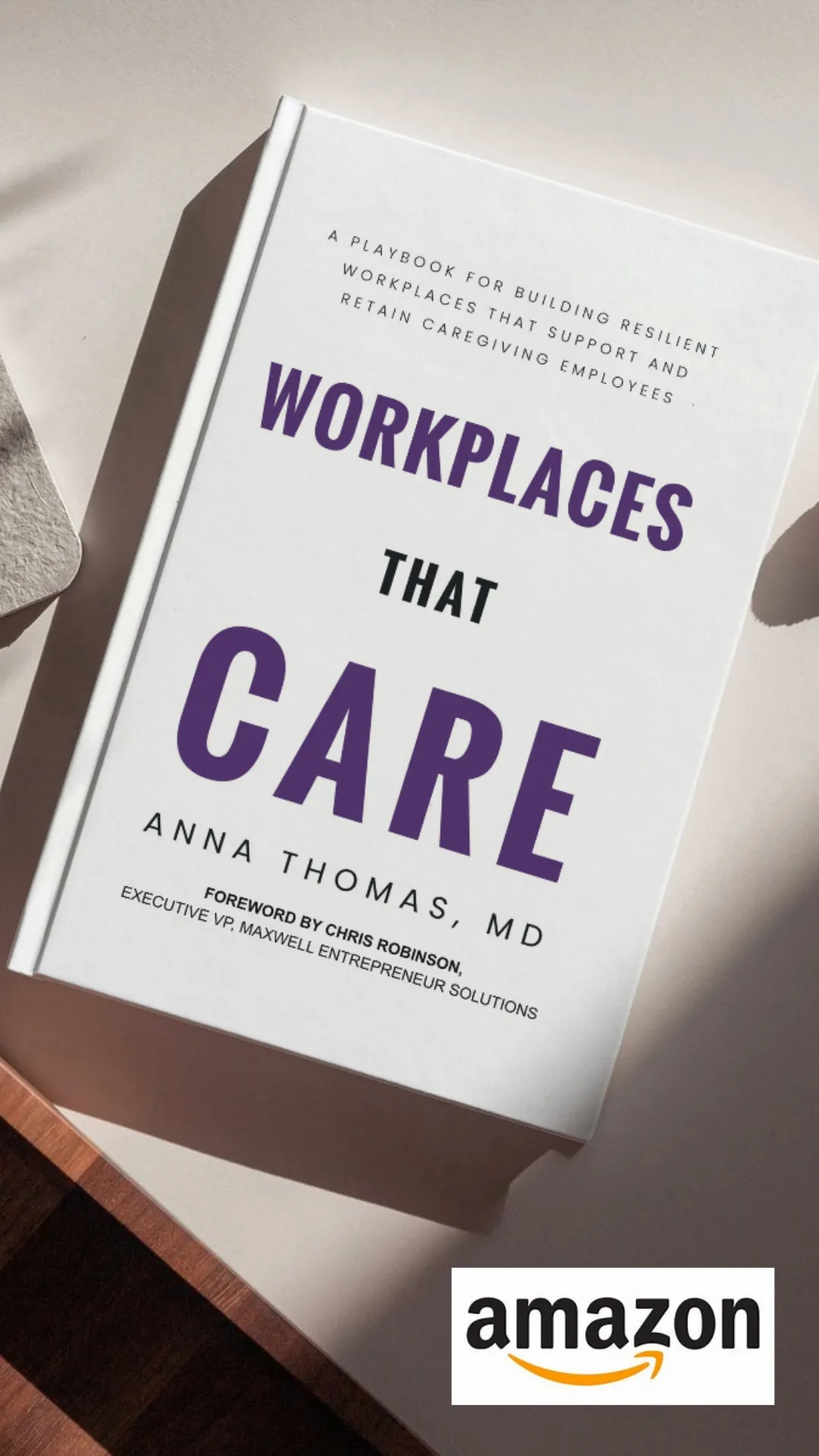
Workplaces That Care Book: https://amzn.to/49w0cl1
The Future of Work is CARE (free training): https://workplacesthatcare.com/webinar-registration
*Bio: Dr. Anna Thomas is a board-certified physician, TEDx speaker, workplace wellbeing strategist, and leadership coach who helps organizations strengthen culture, resilience, and performance in a changing world. As founder of LifeCare LeadHership and Workplaces That Care, she blends clinical insight with leadership development to teach practical tools for building supportive, care-ready workplaces. Her keynotes and trainings address workforce wellbeing, retention, burnout prevention, caregiving in the workplace, women's leadership, and navigating life and work transitions. As the creator of the CARE Framework, she equips leaders to support the whole person so teams stay engaged, healthy, and committed. Audiences appreciate her grounded delivery, relatable stories, and clear, actionable strategies. Learn more or book Dr. Thomas at www.WorkplaceWellbeingSpeaker.com
The views and opinions expressed in this post are solely those of Dr. Thomas and do not reflect the views of any past or present employer. This content is for educational and informational purposes only and is not intended as medical or legal advice.