How Much of Our Leadership Pipeline Are We Losing Because of Life and Care Responsibilities?
How Much of Our Leadership Pipeline Are We Losing Because of Life and Care Responsibilities?
Organizations invest significant time and resources into developing future leaders. Leadership competency models are created, mentoring relationships are established, and succession plans identify the next generation of talent. These investments are designed to ensure continuity, resilience, and long-term organizational success.
Yet there is one question that far too few organizations ask.
How many future leaders have quietly stepped away from that path, not because they lacked potential, but because life became more complex?
Most leadership losses do not happen with a resignation letter. They happen much earlier.
A promising employee declines a stretch assignment. A manager postpones applying for a promotion. A high-potential leader withdraws from a development program. A transfer is quietly turned down because family responsibilities make relocation impossible.
These moments rarely appear in leadership metrics, but together they create one of the greatest hidden threats to succession planning.
Caregiving responsibilities, chronic illness, disability, and significant life events are not exceptions in today's workforce. They are increasingly common realities that organizations must learn to recognize and support.
The Leadership Pipeline Has a Hidden Leak
Many organizations view employee wellbeing as separate from leadership development.
In reality, they are deeply connected.
Leadership pipelines traditionally follow a familiar progression. Employees demonstrate strong performance, receive increasingly challenging assignments, gain visibility with senior leaders, and eventually move into larger leadership roles.
The process assumes a relatively uninterrupted career trajectory.
Life rarely follows that model.
A high-performing employee may decline a major project because a parent has entered hospice care. A manager living with an autoimmune condition may reduce travel temporarily while continuing to deliver exceptional results. A team leader caring for a child with disabilities may scale back extra hours for a season and suddenly be viewed as less committed.
None of these situations reflect a lack of leadership ability.
Yet many organizations unintentionally interpret them as declining ambition.
When systems fail to accommodate life's realities, talented people often leave the leadership pipeline long before they leave the organization.
Why Organizations Often Miss the Problem
One of the biggest challenges is that these patterns remain largely invisible.
Most organizations do not collect meaningful data about caregiving responsibilities or chronic health conditions. Even when employees are invited to share personal circumstances, many choose not to.
Some fear being viewed differently.
Others worry that disclosure could affect future promotions or leadership opportunities.
As a result, employees often remain silent.
Exit interviews rarely uncover the complete story either. Departing employees may describe feeling overwhelmed or seeking better work-life balance without discussing the caregiving responsibilities or health challenges that influenced their decision.
Viewed quarter by quarter, leadership attrition may appear routine.
Viewed across several years, however, patterns begin to emerge.
Organizations discover that many talented individuals gradually stepped away from leadership opportunities during seasons when greater flexibility could have made all the difference.
Early Warning Signs Your Leadership Pipeline Is Shrinking
The warning signs often appear long before turnover increases.
High-potential employees begin declining leadership development opportunities with promises that they will participate "next year."
Mentoring relationships quietly end before completion.
Development programs lose participants midway through the curriculum.
Mid-career professionals, particularly women and employees carrying significant caregiving responsibilities, leave leadership tracks at disproportionately high rates.
Managers begin describing talented employees with phrases like, "This probably isn't the right season."
Each individual situation may appear understandable.
Collectively, they reveal a leadership pipeline losing capable people through preventable system design.
Building Leadership Pathways That Flex with Life
Organizations that retain exceptional leaders recognize that careers are not perfectly linear.
Rather than expecting continuous upward progression, they create systems that accommodate changing life circumstances without permanently closing doors.
One practical strategy is creating intentional pause points.
Instead of forcing employees to choose between stepping away completely or pushing through unsustainable demands, organizations can allow temporary pauses that preserve future advancement opportunities.
A paused leadership journey remains a leadership journey.
Another important strategy involves helping managers distinguish between availability and performance.
An employee who temporarily reduces travel or adjusts work hours may continue delivering outstanding results.
Leadership potential should be measured through contribution, judgment, collaboration, and outcomes rather than physical presence or traditional expectations around availability.
Flexible leadership design also plays an increasingly important role.
Co-leadership arrangements, hybrid project ownership, and adaptive workloads enable talented leaders to remain engaged even during demanding personal seasons.
These models recognize that flexibility supports both organizational continuity and employee success.
Organizations should also examine leadership development over longer periods.
Annual reviews provide only snapshots.
Longitudinal tracking reveals how careers evolve across several years and identifies where talented employees consistently leave the pipeline.
Finally, organizations can normalize conversations about life during career planning.
Leaders do not need detailed personal information.
Simple questions such as, "Are there responsibilities or circumstances we should consider as we plan your development this year?" create opportunities for thoughtful partnership rather than assumptions.
The Cost of Doing Nothing
The employees most likely to step back from leadership are often the very people organizations hope to retain.
They are dependable.
They consistently deliver results.
They support colleagues while managing significant responsibilities outside of work.
When those employees quietly disengage from leadership opportunities, organizations lose far more than future promotions.
They lose institutional knowledge developed through years of experience.
They lose trusted relationships that strengthen teams.
They lose role models who demonstrate resilience, empathy, and sound judgment.
Most importantly, they lose leadership capacity that took years to develop.
Replacing that talent is both expensive and difficult.
Retaining it is far more strategic.
Designing Leadership for the Future
The future of leadership requires organizations to rethink long-held assumptions.
Leadership is no longer defined by uninterrupted availability or constant upward momentum.
It is defined by capability, adaptability, emotional intelligence, and the ability to lead through complexity.
Many employees balancing caregiving, chronic illness, or disability already demonstrate these qualities every day.
Organizations that recognize this reality gain a significant competitive advantage.
They create leadership systems that reflect how people actually live rather than how organizations wish careers unfolded.
Supporting employees through life's changing seasons does not lower standards.
It strengthens leadership by ensuring capable people remain engaged instead of quietly stepping away.
A Final Reflection
Consider this question:
What if your next great leader has not disappeared at all?
What if they are simply waiting for an organization that believes leadership potential should not expire because life became more complicated?
The future of leadership depends on our willingness to stop confusing temporary life circumstances with permanent career limitations.
When organizations create pathways that flex instead of break, they retain exceptional talent, strengthen succession planning, and build cultures where people and performance thrive together.
If you found these insights valuable, subscribe to the Workplaces That Care newsletter for practical leadership strategies, evidence-based workplace insights, and resources that help organizations build stronger cultures through care.
Together, let's build a workplace that CARES!
Dr. Anna Thomas
Explore More from Workplaces That Care
Read More: https://workplacesthatcare.com/blog
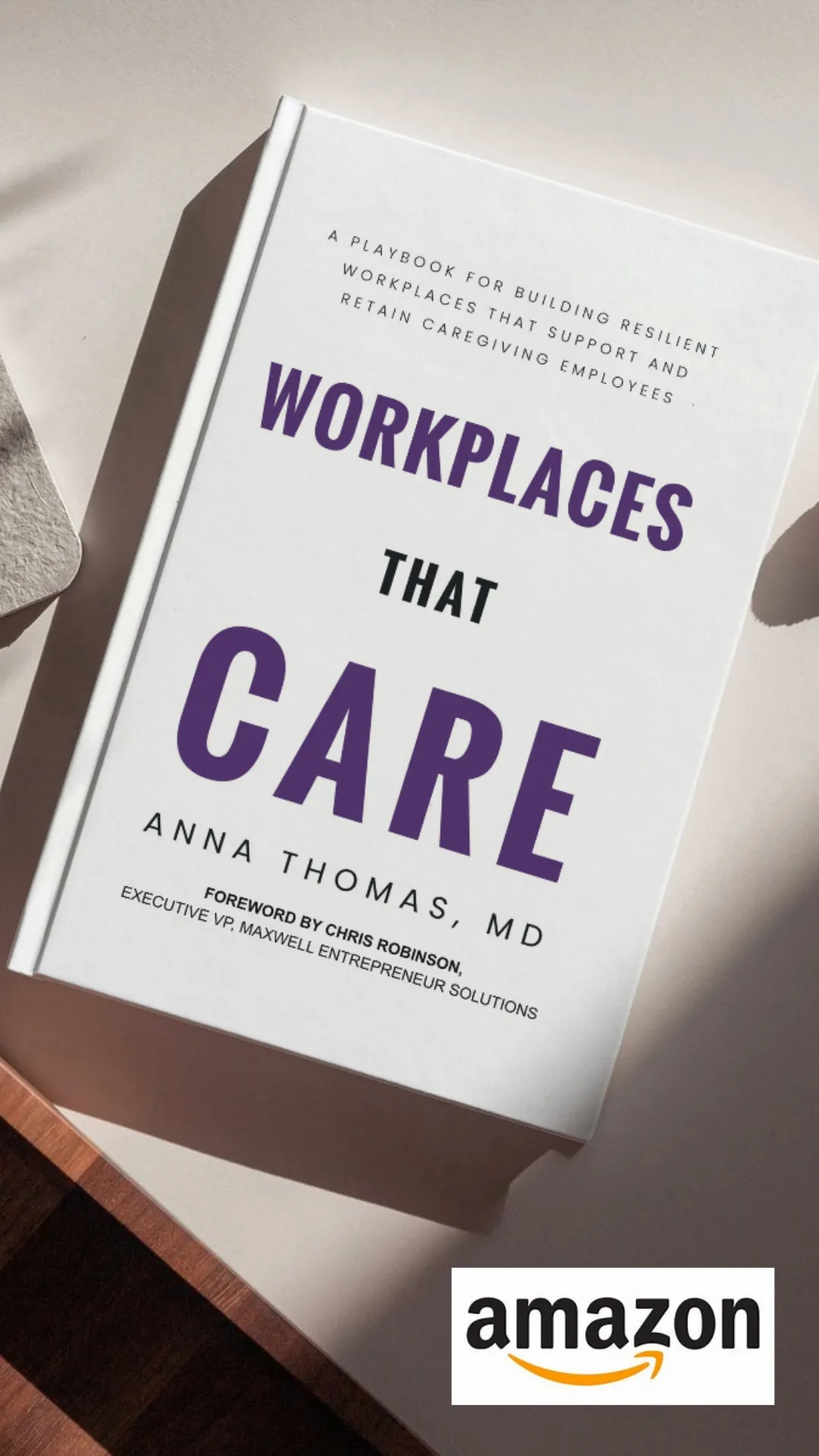
Workplaces That Care Book: https://amzn.to/49w0cl1
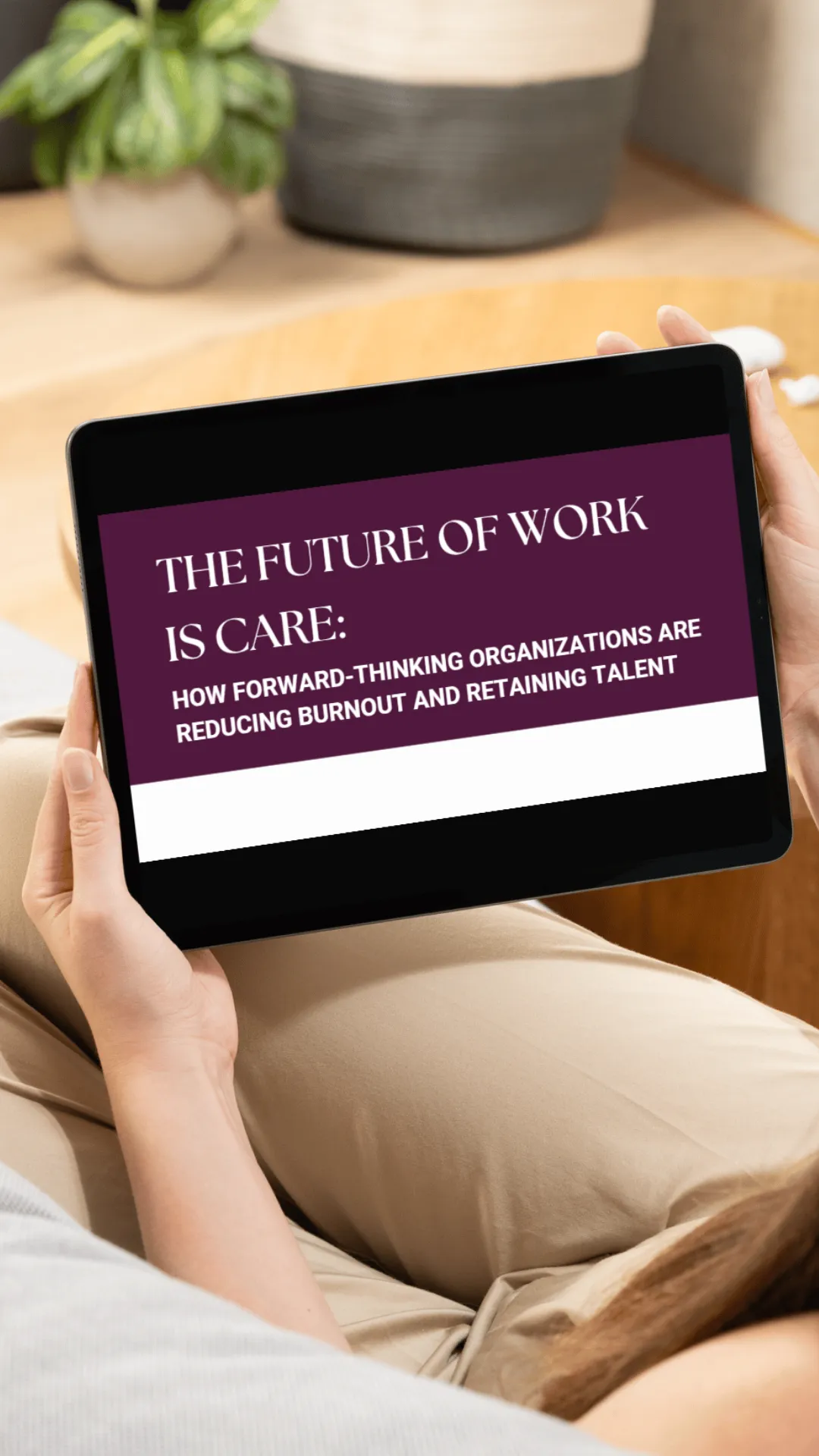
The Future of Work is CARE (free training): https://workplacesthatcare.com/webinar-registration
*Bio: Dr. Anna Thomas is a board-certified physician, TEDx speaker, workplace wellbeing strategist, and leadership coach who helps organizations strengthen culture, resilience, and performance in a changing world. As founder of LifeCare LeadHership and Workplaces That Care, she blends clinical insight with leadership development to teach practical tools for building supportive, care-ready workplaces. Her keynotes and trainings address workforce wellbeing, retention, burnout prevention, caregiving in the workplace, women's leadership, and navigating life and work transitions. As the creator of the CARE Framework, she equips leaders to support the whole person so teams stay engaged, healthy, and committed. Audiences appreciate her grounded delivery, relatable stories, and clear, actionable strategies. Learn more or book Dr. Thomas at www.WorkplaceWellbeingSpeaker.com
The views and opinions expressed in this post are solely those of Dr. Thomas and do not reflect the views of any past or present employer. This content is for educational and informational purposes only and is not intended as medical or legal advice.