Could Unconscious Bias Be Hurting Employees Balancing Care and Life?
Could Unconscious Bias Be Hurting Employees Balancing Care and Life?
Most leaders genuinely want to support their employees. They want to create workplaces where people feel valued, respected, and able to succeed. Yet one of the greatest barriers to inclusion often doesn't come from intentional discrimination. It comes from assumptions made with good intentions.
Sometimes bias doesn't look like exclusion. Sometimes it looks like protection.
A manager decides not to offer an employee a challenging assignment because they are managing a chronic health condition. A leader skips someone for a client presentation because they're caring for an aging parent. An employee working through physical therapy is quietly left off an important project because the team assumes they already have enough on their plate.
None of these decisions are made with harmful intent. In fact, they often come from compassion.
Unfortunately, they also communicate a powerful message: we see your life circumstances as limiting your potential.
That quiet form of unconscious bias can slowly erode confidence, career growth, and organizational trust.
When Good Intentions Create Hidden Barriers
Most workplace bias today is subtle rather than obvious. Leaders rarely wake up intending to disadvantage employees balancing caregiving responsibilities, disability, or chronic illness. Instead, assumptions quietly influence decisions.
A manager may believe they're helping by removing challenging assignments. Another may assume someone isn't interested in advancement because they're navigating a demanding season of life. Others may unconsciously equate physical presence with commitment or assume flexible schedules reflect lower ambition.
These assumptions rarely appear in policies. They appear in everyday conversations, performance discussions, and promotion decisions.
Over time, they shape careers.
Employees begin receiving fewer stretch assignments. They become less visible to senior leadership. Their opportunities for professional development shrink, even though their capability has not.
Eventually many stop volunteering for new opportunities because they believe those opportunities will never be offered.
Often they don't leave because they cannot perform. They leave because they no longer feel fully seen.
How Bias Shows Up in Everyday Leadership
Unconscious bias frequently appears in routine management decisions.
Performance reviews may focus more on perceived availability than measurable outcomes. Someone successfully managing diabetes, migraines, or caregiving responsibilities may be evaluated through the lens of flexibility rather than contribution.
Promotion conversations sometimes include statements such as, "This probably isn't the right season for them."
Project assignments become filtered through protective thinking.
Leaders may decide not to invite someone into a high-profile initiative because they assume it would create additional stress.
Even workplace language can reinforce bias. Casual comments about needing "strong stamina" or "someone who can fully commit" may unintentionally suggest that employees navigating health conditions or caregiving responsibilities are somehow less capable.
None of these statements sound openly discriminatory.
Together, however, they create a culture where personal circumstances become more visible than professional strengths.
Caregiving, Chronic Illness, and Disability Often Intersect
Organizations frequently treat caregiving, disability, and chronic illness as separate employee populations.
Real life is rarely that simple.
An employee living with multiple sclerosis may also care for an aging parent. A parent raising a child with autism may simultaneously manage their own chronic health condition. Someone caring for a spouse may also have a disability themselves.
These overlapping experiences often produce similar workplace challenges.
Employees may be viewed as fragile rather than resilient. Opportunities may quietly disappear without discussion. Isolation can develop under the guise of kindness.
When organizations design programs that address only one group at a time, they risk overlooking the complexity of employees' lived experiences.
Inclusive leadership recognizes these intersections and focuses less on labels and more on removing barriers that prevent people from contributing fully.
A better leadership question becomes:
How can we eliminate assumptions while providing the support each employee needs to succeed?
Building Partnership Instead of Protection
The solution is not removing support. It is changing how support is offered.
Effective leaders partner with employees instead of making decisions on their behalf.
One simple conversation can dramatically shift the experience.
Instead of deciding someone cannot manage an opportunity, try saying:
"I'd like to offer you this opportunity. If you need to adjust how you participate, let's discuss it together."
This approach respects both the employee's autonomy and their expertise regarding their own circumstances.
It communicates trust instead of limitation.
Employees retain ownership of their careers while knowing flexibility remains available if needed.
That distinction matters.
Support becomes empowering rather than restrictive.
Practical Ways Leaders Can Reduce Unconscious Bias
Organizations committed to inclusive leadership can begin with several practical actions.
First, review decision-making patterns.
Who consistently receives stretch assignments, leadership visibility, and professional development opportunities? Are these decisions based on measurable performance or influenced by assumptions about personal responsibilities?
Second, evaluate outcomes rather than appearances.
Success should be measured by contribution, quality of work, collaboration, and results rather than traditional expectations around visibility or physical presence.
Third, invest in manager education.
Many leaders genuinely believe they are helping employees by reducing workloads or shielding them from additional pressure. Training helps managers recognize when protective instincts unintentionally become limiting behaviors.
Fourth, encourage consistent, inclusive language.
Instead of saying, "She probably can't take this on," invite a conversation.
Ask what support would enable success rather than assuming limitations.
Finally, celebrate visible examples of success.
When organizations highlight leaders who successfully balance caregiving responsibilities, chronic illness, disability, and high performance, they normalize possibility instead of reinforcing stereotypes.
Representation helps employees envision their own future within the organization.
Why This Matters for Business
Addressing unconscious bias is not simply an equity initiative.
It is a business strategy.
Employees balancing complex life responsibilities often develop remarkable strengths.
They become exceptional problem solvers because they navigate competing priorities daily. They strengthen emotional intelligence through caregiving experiences. They master adaptability, resilience, communication, and time management.
These capabilities directly contribute to effective leadership.
When organizations overlook these employees, they lose valuable talent, institutional knowledge, innovation, and long-term commitment.
Conversely, organizations that intentionally remove bias create environments where employees remain engaged, contribute fully, and continue growing throughout every season of life.
Supporting people and achieving strong business performance are not competing priorities.
They reinforce one another.
From Compassion to Competence
Compassion is essential.
But compassion alone is not enough.
Leadership requires the competence to recognize when good intentions unintentionally limit opportunity.
True inclusion means walking alongside employees rather than making decisions for them.
It means replacing assumptions with conversations.
It means replacing protection with partnership.
It means creating systems where flexibility, accountability, and opportunity exist together.
The strongest workplace cultures understand that supporting employees does not require lowering expectations.
Instead, they remove unnecessary barriers so people can meet those expectations with confidence.
A Question Worth Reflecting On
Consider this question:
What happens to someone's confidence when career decisions are made about them instead of with them?
That is the quiet cost of unconscious bias disguised as support.
Every leader has the opportunity to rewrite that story by creating workplaces where employees are trusted, empowered, and equipped to thrive.
If this conversation resonated with you, subscribe to the Workplaces That Care newsletter for evidence-based leadership insights, practical workplace strategies, and new resources that help you build cultures where people and performance thrive together.
Together, let's build a workplace that CARES!
Dr. Anna Thomas
Explore More from Workplaces That Care
Read More: https://workplacesthatcare.com/blog
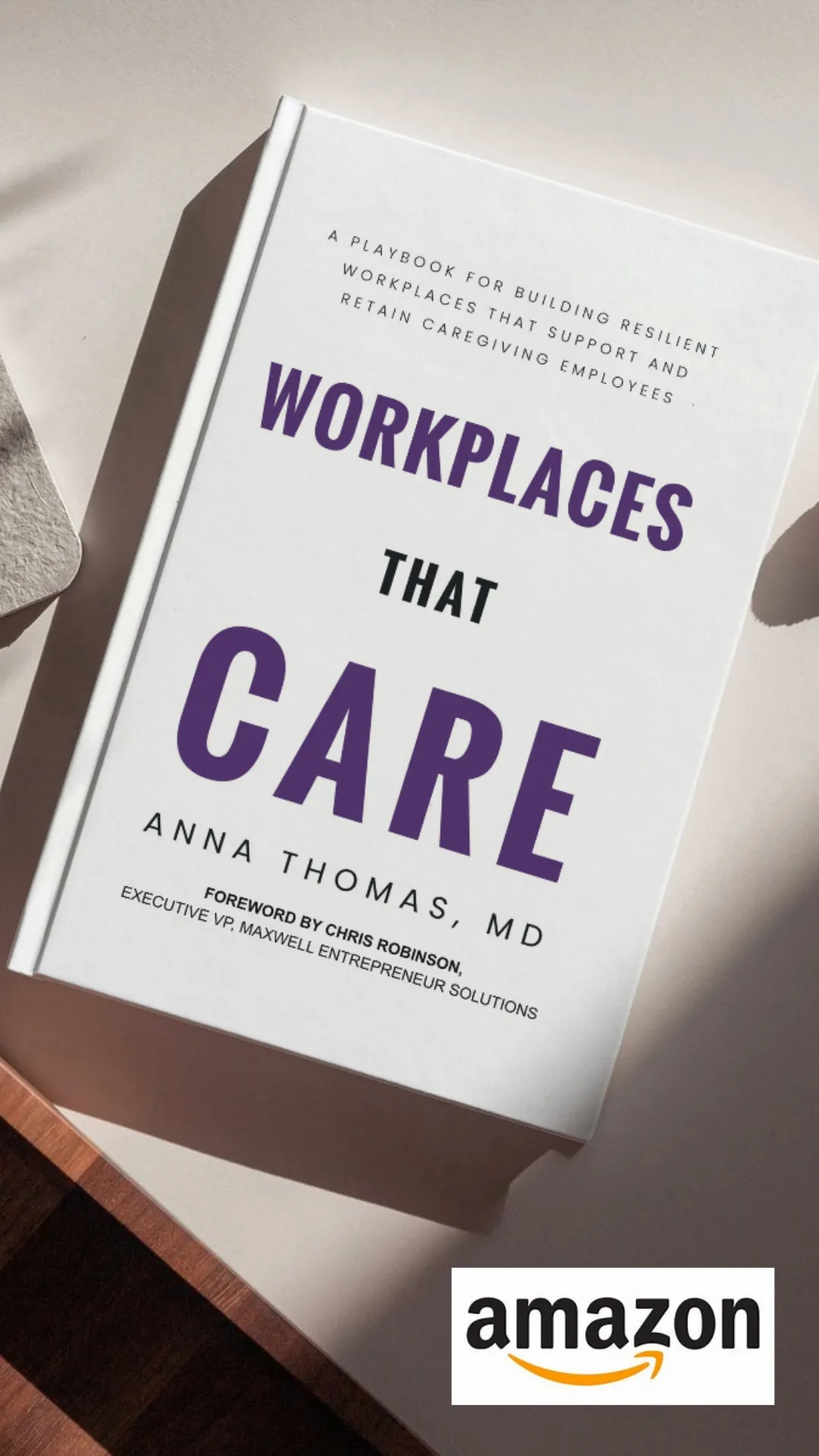
Workplaces That Care Book: https://amzn.to/49w0cl1
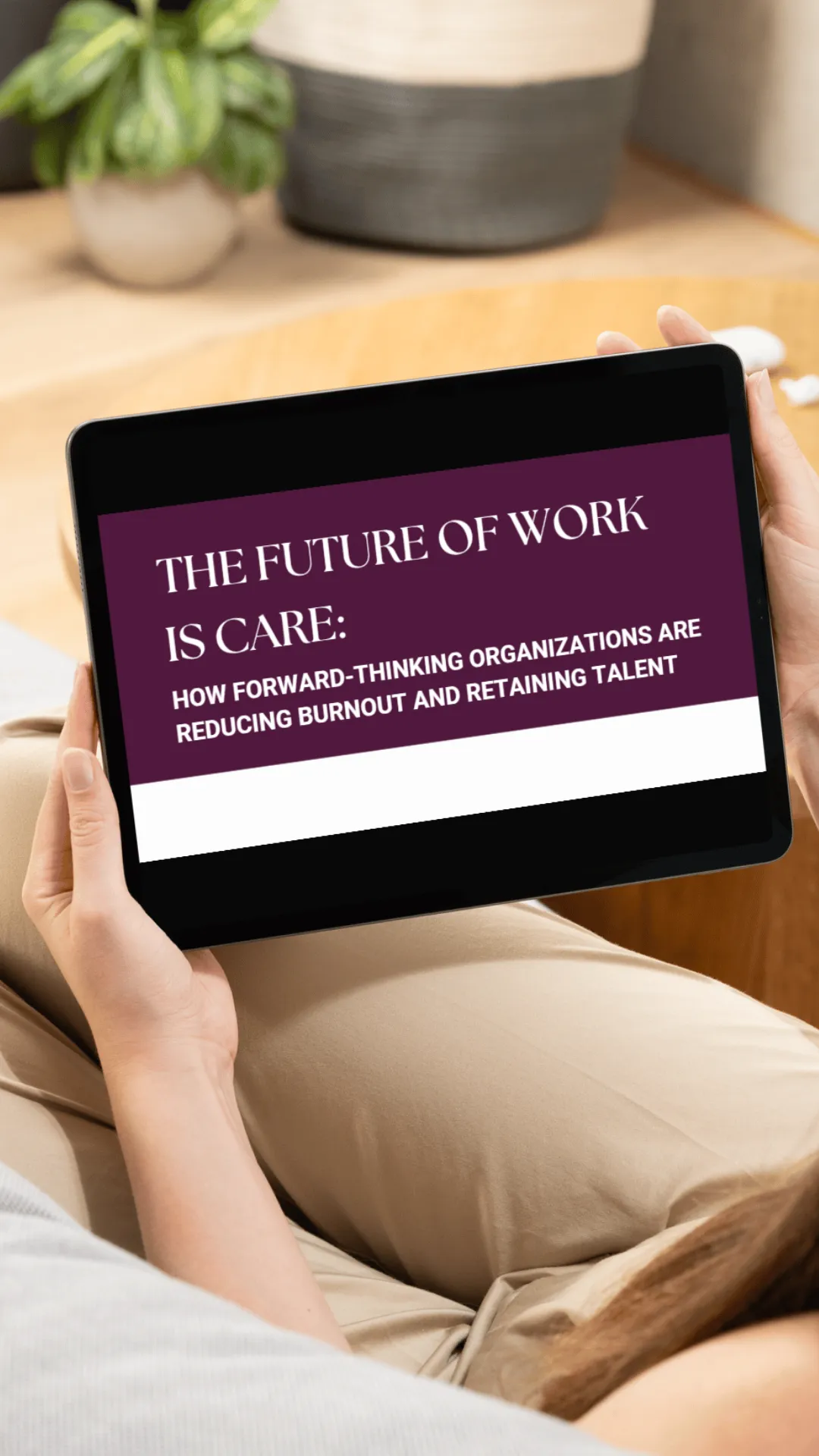
The Future of Work is CARE (free training): https://workplacesthatcare.com/webinar-registration
*Bio: Dr. Anna Thomas is a board-certified physician, TEDx speaker, workplace wellbeing strategist, and leadership coach who helps organizations strengthen culture, resilience, and performance in a changing world. As founder of LifeCare LeadHership and Workplaces That Care, she blends clinical insight with leadership development to teach practical tools for building supportive, care-ready workplaces. Her keynotes and trainings address workforce wellbeing, retention, burnout prevention, caregiving in the workplace, women's leadership, and navigating life and work transitions. As the creator of the CARE Framework, she equips leaders to support the whole person so teams stay engaged, healthy, and committed. Audiences appreciate her grounded delivery, relatable stories, and clear, actionable strategies. Learn more or book Dr. Thomas at www.WorkplaceWellbeingSpeaker.com
The views and opinions expressed in this post are solely those of Dr. Thomas and do not reflect the views of any past or present employer. This content is for educational and informational purposes only and is not intended as medical or legal advice.