Why One-Size-Fits-All Benefits Fail Caregivers (And What to Do Instead)
On paper, many organizations offer strong benefits.
Flexible work arrangements. Backup care. Wellness programs. Paid leave.
The package looks comprehensive and well-intentioned.
But when employees try to use these benefits, a different reality often emerges.
As explored in this discussion , one-size-fits-all benefits frequently fail to meet the needs of caregivers—not because the support is absent, but because it does not align with real-life circumstances.
The Hidden Gap Between Benefits and Reality
Caregiving is not a single experience.
It varies widely depending on the situation, the individual, and the timing.
One employee may be supporting an aging parent in another state. Another may be managing a child’s therapy schedule that requires ongoing flexibility. Someone else may be navigating chronic illness while also caring for a family member.
Each of these scenarios requires different types of support.
Yet many benefit programs are designed with uniform structures. A fixed number of hours for backup care. A standard allotment of leave. A single definition of eligibility.
These structures are often built on assumptions.
That employees can predict when they will need support. That geographic consistency ensures access. That a standard level of support is sufficient for all situations.
In practice, these assumptions create gaps.
When Benefits Become Unusable
When benefits do not align with employee needs, they become difficult to use.
A caregiver in a rural area may not have access to local backup care providers. An employee supporting a nontraditional family member may not meet eligibility criteria. Fixed limits on support may fall short during periods of increased demand.
In these cases, the benefit still exists.
But it is no longer meaningful.
Employees may stop trying to access it. Over time, this leads to frustration, disengagement, and a perception that support is more symbolic than real.
This is not just a utilization issue.
It is a trust issue.
Understanding the Diversity of Care Needs
To design effective benefits, organizations must first understand the diversity of caregiving.
Elder care often involves coordination of services, medical appointments, and unpredictable needs. It may require flexibility during specific times of day or access to specialized resources.
Childcare, particularly for children with additional needs, may involve structured schedules, therapy sessions, and transitions that require consistent support.
Chronic illness adds another layer of complexity. Employees may need intermittent leave, flexible work arrangements, or access to healthcare resources.
These scenarios are not interchangeable.
A single benefit structure cannot fully address all of them.
Moving Beyond Uniformity
The solution is not to remove structure, but to make it more adaptable.
Flexible benefit design allows organizations to respond to a range of needs without creating unnecessary complexity.
Tiered benefits are one approach. Employees may have access to a base level of support, with additional resources available for those with higher or more sustained needs.
Expanding eligibility criteria is another important step. Recognizing nontraditional caregiving roles ensures that more employees can access support.
Geographic flexibility also matters. Partnering with providers that operate across regions or allowing employees to choose services that meet their specific needs can increase accessibility.
Adaptive scaling is equally critical. Caregiving demands change over time. Benefits should be able to adjust accordingly, rather than remaining fixed.
The Role of Leadership and Managers
Even well-designed benefits can fall short if they are not implemented effectively.
Managers play a key role in how benefits are experienced.
When managers are empowered to apply flexibility within clear guidelines, they can respond to individual situations more effectively. This requires training, support, and a shared understanding of organizational values.
Consistency is important.
Employees need to trust that flexibility will be applied fairly across teams.
Clear communication and structured guidelines help ensure that flexibility enhances equity rather than undermining it.
Starting with Practical Steps
Organizations do not need to overhaul their entire benefits system at once.
Pilot programs can provide valuable insights.
Selecting a specific team or group to test enhanced flexibility allows organizations to gather feedback and understand what works in practice.
Monitoring usage, satisfaction, and outcomes such as retention or engagement can inform future decisions.
Employee feedback is especially important.
Understanding what feels helpful, what feels confusing, and what is missing provides a foundation for improvement.
Communicating Flexibility Effectively
How benefits are communicated is just as important as how they are designed.
Employees need to understand not only what is available, but how it can be used.
Framing benefits as flexible and evolving can help shift perceptions.
When employees see that support can adapt to their needs, they are more likely to engage with it.
Providing examples of how benefits have been used in different scenarios can also increase clarity.
This moves benefits from abstract concepts to practical tools.
From Benefits to Experience
Ultimately, the goal is not to offer benefits.
It is to create an experience of support.
When benefits align with real-life needs, employees feel seen and valued. They are better able to manage their responsibilities and sustain their performance.
This has a direct impact on retention, engagement, and overall organizational health.
When benefits do not align, the opposite occurs.
Support feels distant. Frustration grows. Employees begin to question whether the organization understands their reality.
Looking Ahead
The workforce is becoming more diverse in its needs and experiences.
Caregiving is a significant part of that reality.
Organizations that recognize this and adapt their benefits accordingly will be better positioned to support their employees and maintain strong, resilient teams.
Those that rely on uniform approaches may continue to face challenges with utilization and engagement.
The opportunity is to design systems that reflect how people actually live and work.
A More Human Approach to Benefits
Benefits are not just a policy decision.
They are a reflection of how an organization values its people.
Designing flexible, responsive benefits requires effort and intention.
But the return is meaningful.
Employees who feel supported are more likely to stay, contribute, and grow.
If you are ready to rethink how your organization supports caregivers, this is an opportunity to lead with clarity and purpose.
And if you would like more practical strategies and insights, I invite you to stay connected.
Subscribe to the Workplaces That Care newsletter for guidance on building workplaces where support is not just offered, but experienced.
Together, let's build a workplace that CARES!
Dr. Anna Thomas
Explore More from Workplaces That Care
Read More: https://workplacesthatcare.com/blog
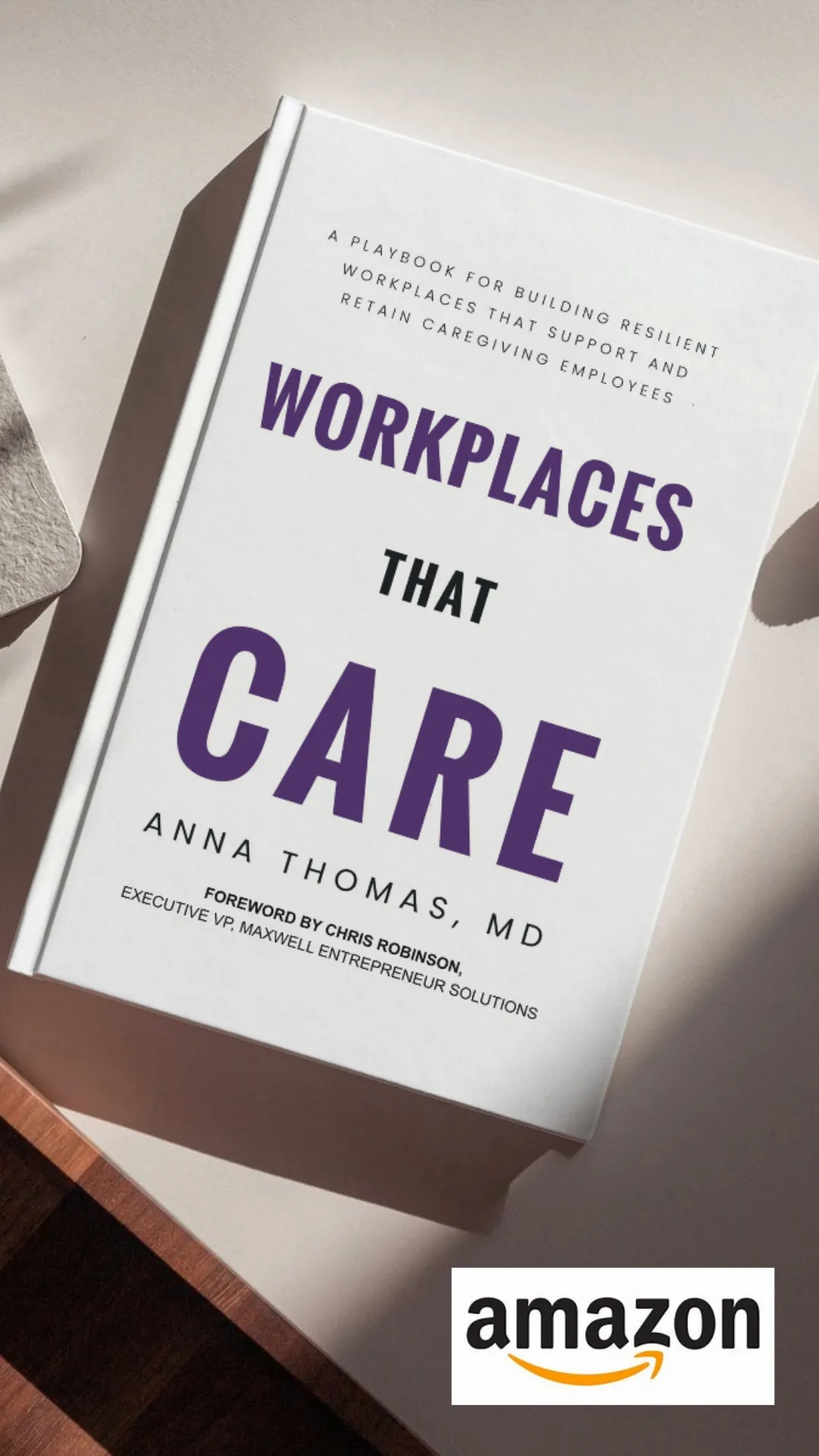
Workplaces That Care Book: https://amzn.to/49w0cl1
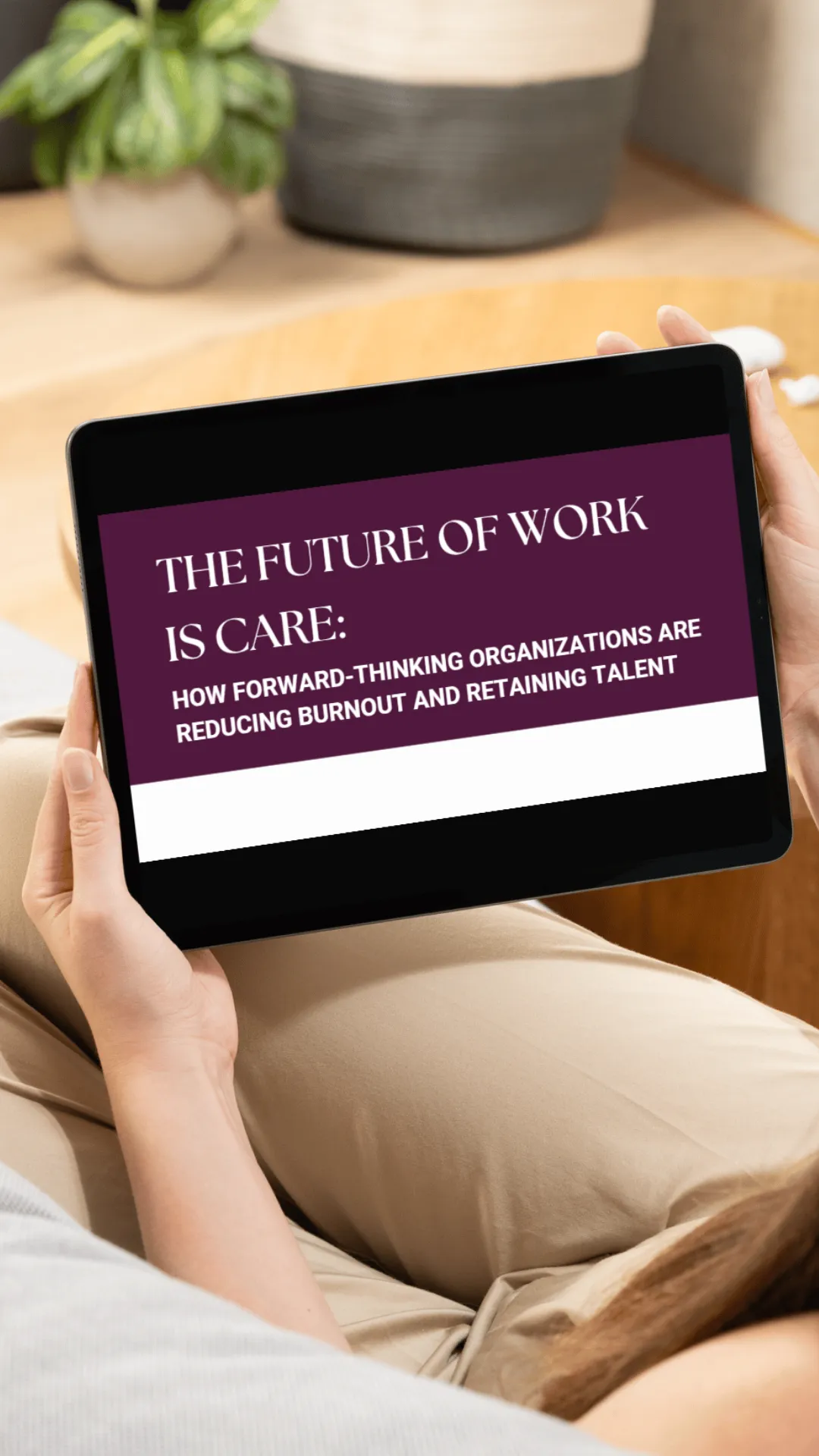
The Future of Work is CARE (free training): https://workplacesthatcare.com/webinar-registration
*Bio: Dr. Anna Thomas is a board-certified physician, TEDx speaker, workplace wellbeing strategist, and leadership coach who helps organizations strengthen culture, resilience, and performance in a changing world. As founder of LifeCare LeadHership and Workplaces That Care, she blends clinical insight with leadership development to teach practical tools for building supportive, care-ready workplaces. Her keynotes and trainings address workforce wellbeing, retention, burnout prevention, caregiving in the workplace, women’s leadership, and navigating life and work transitions. As the creator of the CARE Framework, she equips leaders to support the whole person so teams stay engaged, healthy, and committed. Audiences appreciate her grounded delivery, relatable stories, and clear, actionable strategies. Learn more or book Dr. Thomas at www.WorkplaceWellbeingSpeaker.com
The views and opinions expressed in this post are solely those of Dr. Thomas and do not reflect the views of any past or present employer. This content is for educational and informational purposes only and is not intended as medical or legal advice.