Are We Checking a Box on Benefits—or Truly Supporting Our People?
Are We Checking a Box on Benefits—or Truly Supporting Our People?
Many organizations are proud of the benefits they offer. Flexible work arrangements, family leave, employee assistance programs, wellness stipends, mental health resources, and caregiver support have become common features in recruitment materials and employee handbooks. On paper, these programs demonstrate a commitment to employee wellbeing.
But there is an important question every organization should ask.
Do employees actually feel safe using those benefits when they need them most?
For many people balancing caregiving responsibilities, chronic illness, disability, or unexpected personal challenges, the answer is no.
The issue is often not the absence of support. It is the absence of trust.
Employees may know benefits exist, yet hesitate to access them because they worry about how they will be perceived. Will asking for flexibility affect their next promotion? Will requesting leave signal a lack of commitment? Will using an employee assistance program change how colleagues or managers view them?
These concerns reveal the difference between having supportive policies and creating a supportive culture.
The Difference Between Policy and Experience
Organizations frequently invest significant resources in developing comprehensive benefits packages. Leadership teams celebrate new programs designed to improve employee wellbeing and retention.
Yet many of those same benefits remain underused.
Why?
Because employee experience is shaped by culture, not simply by policy.
Throughout my work with organizations, I have met talented professionals whose careers began to unravel not because they lacked commitment, but because they were quietly managing caregiving responsibilities, chronic illness, or significant health challenges. Many never disclosed what they were experiencing because they feared judgment or unintended career consequences.
I have also worked with executives who were genuinely surprised to learn that employees were not taking advantage of benefits the organization had invested heavily in providing.
Neither group lacked good intentions.
What was missing was alignment.
Benefits that employees do not trust cannot achieve their purpose.
Why Employees Hesitate to Ask for Help
The barriers to accessing support are often invisible.
Human Resources may believe benefit information is easy to find.
Managers may assume employees will ask when they need help.
Leaders may expect supervisors to communicate available resources.
Meanwhile, employees worry that asking questions could make them appear less dedicated.
As a result, everyone assumes someone else is addressing the issue.
This disconnect creates an invisible wall around support.
Even generous benefits become difficult to access when they involve complicated approval processes, confusing paperwork, or inconsistent manager responses.
Employees begin to conclude that support exists in theory but not in practice.
Eventually, many stop asking altogether.
When Generosity Becomes Inaccessible
One organization I advised offered an excellent family leave program.
From a policy perspective, it looked comprehensive.
In practice, employees were required to use all available paid time off first, submit extensive medical documentation, and receive approval through multiple layers of management before accessing the benefit.
The organization believed it was offering meaningful support.
Employees experienced the process as emotionally exhausting and unnecessarily complicated.
Very few people used the program.
The policy remained intact.
Trust disappeared.
This illustrates an important lesson.
Generous benefits alone do not create supportive workplaces.
Usable benefits do.
Moving Beyond Checking the Box
Organizations seeking meaningful change should focus on three foundational elements.
The first is trust.
Employees need confidence that using available benefits will not negatively affect future opportunities. Leaders help build trust when they openly acknowledge caregiving, health challenges, and personal responsibilities as normal parts of life rather than exceptional circumstances.
The second is usability.
Support should be simple to access.
Employees should not have to navigate multiple departments, complete unnecessary paperwork, or search through complicated systems to receive help.
The third is alignment.
Managers must understand both the purpose of available benefits and their role in supporting employees consistently.
Policies and leadership behaviors should reinforce one another.
When these three elements work together, benefits become part of organizational culture rather than simply items listed in an employee handbook.
Questions Every Organization Should Ask
Leaders committed to creating supportive workplaces can begin by asking several important questions.
Do employees understand which benefits are available to them?
Do they believe they can use those benefits without harming their careers?
Do managers consistently encourage flexibility when appropriate?
Are benefits designed around the realities employees face today, including caregiving, chronic illness, hybrid work, and multigenerational family responsibilities?
Does the organization celebrate resilience while also encouraging rest and recovery?
The answers often reveal far more about workplace culture than the benefits package itself.
Practical Steps to Close the Gap
Closing the gap between policy and experience does not necessarily require introducing additional benefits.
Instead, organizations should focus on improving how existing support is delivered.
Simplify access by creating one central location where employees can easily understand available resources and connect with someone who can guide them through the process.
Equip managers with practical language and confidence so they become facilitators of support rather than barriers to it.
Share stories that normalize benefit use. When employees see respected colleagues successfully accessing flexibility or caregiver support, stigma begins to fade.
Review benefit programs regularly to ensure they continue meeting the evolving needs of today's workforce.
Finally, connect every benefit to a larger organizational purpose.
Employees should clearly understand that these programs exist because the organization values them as whole people, not simply as workers.
Trust Is the Real Measure of Culture
The most important moment in any workplace does not happen when a policy is written.
It happens when an employee says:
"My father has been admitted to the hospital."
"My child's therapy schedule has changed."
"My migraines have become more frequent."
How leaders respond in those moments defines culture far more than any employee handbook ever will.
If employees receive empathy, flexibility, and practical support, trust grows.
If they encounter hesitation, confusion, or fear, trust declines.
Organizations cannot measure culture solely by the benefits they offer.
They must also consider whether employees feel confident using them.
A Final Reflection
If employees continue struggling in silence while valuable benefits remain unused, the challenge is not engagement.
It is trust.
The encouraging news is that trust can be strengthened through intentional leadership, clear communication, and systems designed around real human experiences.
When employees trust their workplace, they stop hiding.
They contribute more fully.
They remain engaged.
They stay.
If this article resonated with you, subscribe to the Workplaces That Care newsletter for practical leadership insights, evidence-based workplace strategies, and new resources that help organizations build cultures where people and performance thrive together.
Together, let's build a workplace that CARES!
Dr. Anna Thomas
Explore More from Workplaces That Care
Read More: https://workplacesthatcare.com/blog
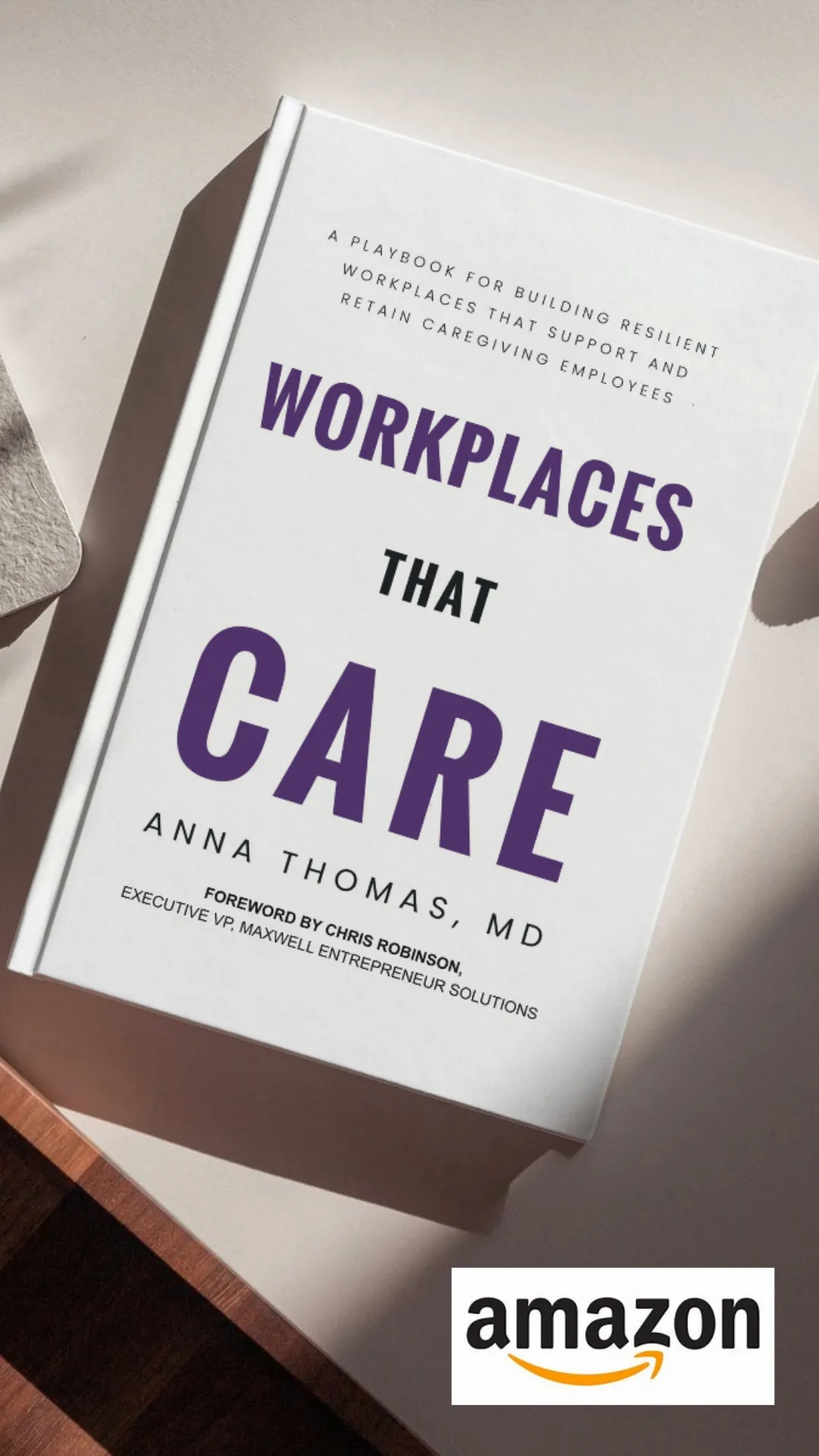
Workplaces That Care Book: https://amzn.to/49w0cl1
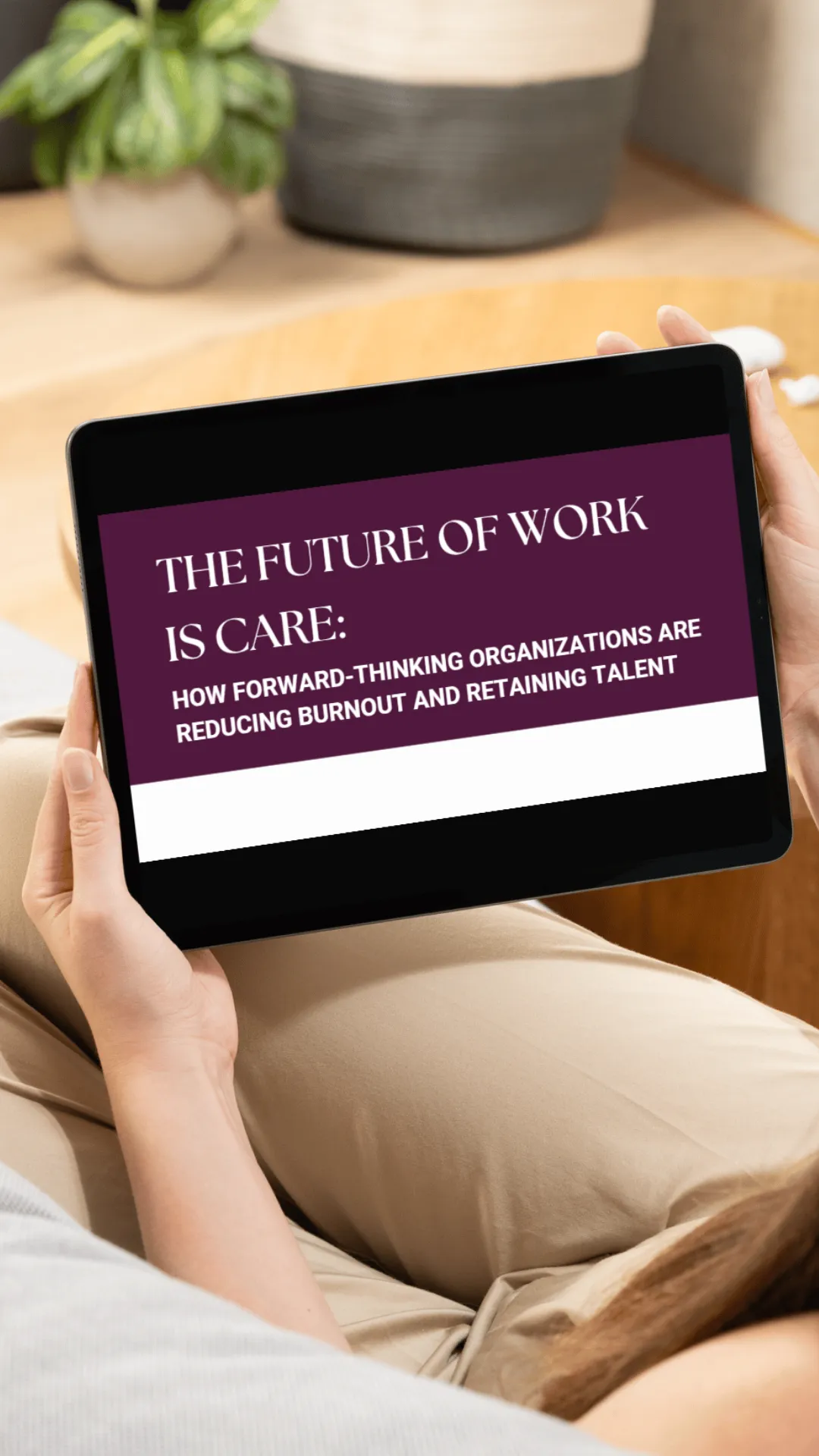
The Future of Work is CARE (free training): https://workplacesthatcare.com/webinar-registration
*Bio: Dr. Anna Thomas is a board-certified physician, TEDx speaker, workplace wellbeing strategist, and leadership coach who helps organizations strengthen culture, resilience, and performance in a changing world. As founder of LifeCare LeadHership and Workplaces That Care, she blends clinical insight with leadership development to teach practical tools for building supportive, care-ready workplaces. Her keynotes and trainings address workforce wellbeing, retention, burnout prevention, caregiving in the workplace, women's leadership, and navigating life and work transitions. As the creator of the CARE Framework, she equips leaders to support the whole person so teams stay engaged, healthy, and committed. Audiences appreciate her grounded delivery, relatable stories, and clear, actionable strategies. Learn more or book Dr. Thomas at www.WorkplaceWellbeingSpeaker.com
The views and opinions expressed in this post are solely those of Dr. Thomas and do not reflect the views of any past or present employer. This content is for educational and informational purposes only and is not intended as medical or legal advice.