How Do We Support Employees with Life Pressures Without Creating Resentment on the Team?
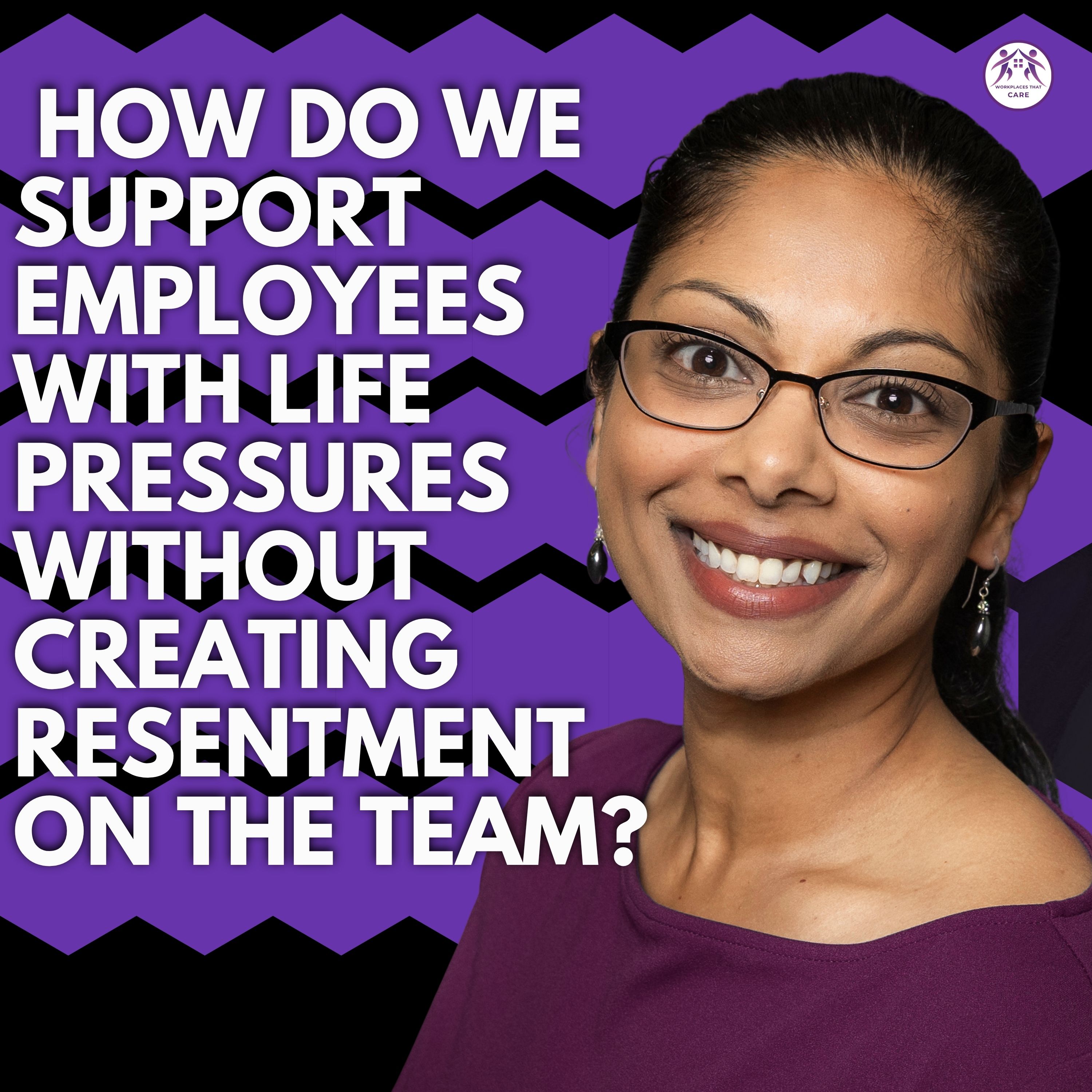
How Do We Support Employees with Life Pressures Without Creating Resentment on the Team?
One of the most challenging questions leaders face is how to support employees navigating difficult life circumstances while maintaining a sense of fairness across the team.
Managers often wonder whether providing flexibility for one employee will be viewed as favoritism by others. Team members may quietly question why a colleague receives schedule adjustments or additional support while they continue carrying their regular responsibilities.
These concerns are understandable.
When leaders avoid addressing them, however, resentment can grow beneath the surface. Trust begins to erode, misunderstandings multiply, and even well-intentioned support programs can lose credibility.
The goal is not to choose between compassion and accountability. Strong leadership requires both.
Organizations that build healthy workplace cultures recognize that fairness is not about treating every employee exactly the same. It is about creating conditions that allow each person to contribute successfully while maintaining trust across the entire team.
Why Fairness and Flexibility Feel Like Opposing Forces
Many leaders struggle with an internal conflict.
If they make accommodations for one employee, will others believe they are being inconsistent?
If they maintain strict consistency, will they fail employees who genuinely need support?
These questions become especially important when employees are managing caregiving responsibilities, chronic illness, disability, or unexpected personal crises.
Handled thoughtfully, flexibility strengthens teams.
Handled inconsistently, it creates division.
The difference lies in leadership.
Where Workplace Resentment Begins
Resentment rarely develops because organizations support employees.
More often, it develops because employees lack information and context.
One common challenge is uneven flexibility.
When accommodations happen privately without any broader explanation of organizational principles, coworkers often notice changes but not the reasons behind them. They observe schedule adjustments or workload shifts without understanding the process guiding those decisions.
Visibility gaps create assumptions.
Another source of frustration occurs when work is redistributed without acknowledgment.
Employees willingly support teammates during difficult seasons, but when additional responsibilities continue indefinitely without recognition or rotation, fatigue begins to replace empathy.
Misunderstanding also contributes to resentment.
Some employees mistakenly assume caregiving responsibilities or flexible schedules are matters of personal preference rather than genuine necessity.
Without education or conversation, inaccurate assumptions become workplace narratives.
Fortunately, these situations are preventable.
Lead With Principles Instead of Exceptions
One of the most effective ways to reduce resentment is to communicate the principles behind workplace flexibility.
Leaders do not need to disclose confidential personal information.
Instead, they can explain that the organization is committed to supporting employees through different life circumstances while maintaining accountability and strong performance.
When employees understand that decisions are guided by consistent values rather than personal relationships, trust grows.
Transparency reduces speculation.
Create Consistent Guardrails
Flexibility should not feel unpredictable.
Organizations benefit from establishing clear expectations regarding how schedule adjustments, temporary accommodations, remote work arrangements, or workload modifications are considered.
Consistency does not mean identical outcomes.
It means employees understand the process used to evaluate requests.
This helps flexibility feel fair because employees recognize that everyone has access to the same thoughtful decision-making framework.
Recognize Team Contributions
Supporting one employee should never mean overlooking the efforts of others.
When coworkers temporarily cover responsibilities or adjust schedules to help a teammate, leaders should acknowledge those contributions.
Simple expressions of appreciation reinforce that everyone's efforts matter.
Leaders should also monitor workloads carefully and rotate responsibilities whenever possible.
Shared responsibility prevents long-term imbalance and reduces burnout.
Create Opportunities for Honest Conversation
Many leaders avoid discussing fairness because they worry it may create conflict.
In reality, silence often creates greater problems.
Inviting thoughtful dialogue allows concerns to surface before frustration grows.
Questions such as, "How are we balancing flexibility and fairness as a team?" encourage constructive discussion without focusing on any individual employee.
These conversations demonstrate that leadership values both compassion and accountability.
Help Employees Understand Life Beyond Their Own Experience
Education strengthens empathy.
Many employees have never personally experienced caregiving responsibilities, chronic illness, or significant life disruptions.
Sharing general information about the realities many working caregivers face helps build understanding without compromising privacy.
Organizations can also highlight anonymized examples or broader workforce trends to normalize these experiences.
When employees understand that caregiving is a common reality rather than an exception, support begins to feel like a shared organizational value.
Monitor the Health of the Team
Effective leaders continually evaluate how flexibility is working.
Employee engagement surveys, workload assessments, turnover patterns, and regular team conversations all provide valuable insight.
If certain employees consistently shoulder additional responsibilities, adjustments may be necessary.
If employees express confusion about workplace expectations, communication may need strengthening.
Leadership requires ongoing refinement rather than one-time decisions.
Fairness Is About Meeting Needs
Imagine a team member temporarily adjusts their work schedule to attend dialysis appointments or accompany a parent to ongoing medical treatments.
Other employees begin covering meetings during those times.
If leadership remains silent, coworkers may quietly develop their own explanations.
Some may assume favoritism.
Others may believe the additional workload will never change.
Now imagine a different response.
A leader acknowledges the team's flexibility, expresses appreciation for everyone's willingness to support one another, and explains that responsibilities will rotate to ensure fairness over time.
Nothing confidential has been shared.
Yet everything changes.
The conversation shifts from perceived burden to shared teamwork.
That is how trust grows.
Building a Culture of Care
Healthy workplace cultures understand that equality and equity are not the same.
Equality gives everyone identical treatment.
Equity recognizes that people occasionally require different forms of support to achieve shared success.
When organizations communicate this distinction clearly, employees begin to view flexibility as part of collective strength rather than individual advantage.
Care becomes a shared value.
Fairness becomes a guiding principle.
Trust becomes stronger.
A Final Reflection
Every workplace will encounter seasons when employees need additional support.
The real leadership question is not whether flexibility should exist.
It is whether leaders can communicate that flexibility in ways that strengthen trust instead of creating division.
Support delivered quietly often invites misunderstanding.
Support grounded in clear principles, open communication, and consistent leadership strengthens the entire team.
If this article encouraged you to think differently about fairness and flexibility, subscribe to the Workplaces That Care newsletter for practical leadership insights, evidence-based workplace strategies, and resources that help organizations create cultures where both people and performance thrive.
Together, let's build a workplace that CARES!
Dr. Anna Thomas
Explore More from Workplaces That Care
Read More: https://workplacesthatcare.com/blog
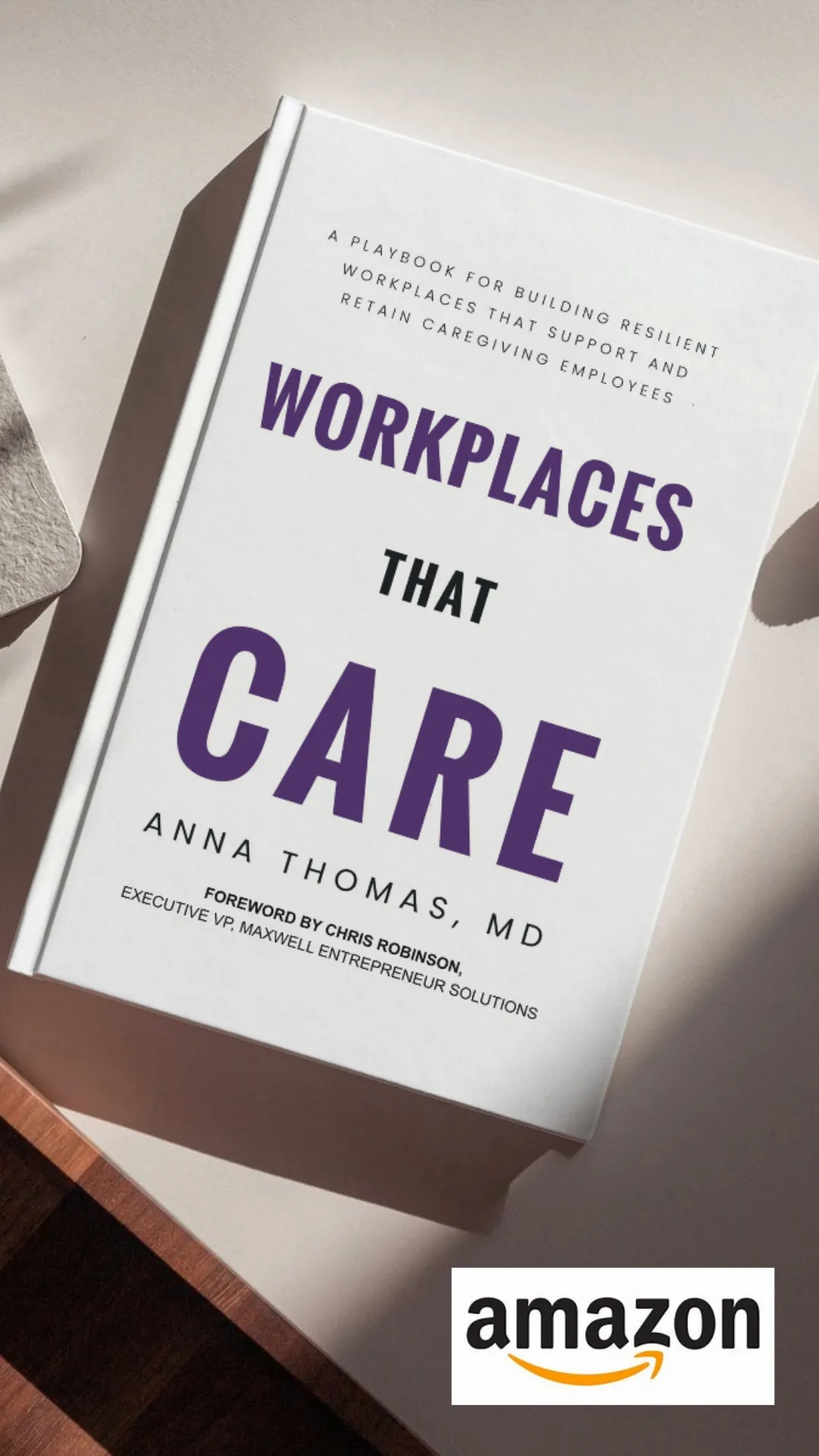
Workplaces That Care Book: https://amzn.to/49w0cl1
The Future of Work is CARE (free training): https://workplacesthatcare.com/webinar-registration
*Bio: Dr. Anna Thomas is a board-certified physician, TEDx speaker, workplace wellbeing strategist, and leadership coach who helps organizations strengthen culture, resilience, and performance in a changing world. As founder of LifeCare LeadHership and Workplaces That Care, she blends clinical insight with leadership development to teach practical tools for building supportive, care-ready workplaces. Her keynotes and trainings address workforce wellbeing, retention, burnout prevention, caregiving in the workplace, women's leadership, and navigating life and work transitions. As the creator of the CARE Framework, she equips leaders to support the whole person so teams stay engaged, healthy, and committed. Audiences appreciate her grounded delivery, relatable stories, and clear, actionable strategies. Learn more or book Dr. Thomas at www.WorkplaceWellbeingSpeaker.com
The views and opinions expressed in this post are solely those of Dr. Thomas and do not reflect the views of any past or present employer. This content is for educational and informational purposes only and is not intended as medical or legal advice.