What Do Different Generations Expect When It Comes to Support at Work?
What Do Different Generations Expect When It Comes to Support at Work?
Today's workplace is more diverse than ever, not only in background and experience but also in life stage. It is common to find recent graduates beginning their careers, parents raising young children, employees caring for aging parents, and professionals preparing for retirement all working side by side.
Each of these employees brings valuable perspectives to the organization. They also bring different expectations about what workplace support should look like.
The challenge for leaders is recognizing that one-size-fits-all approaches rarely meet the needs of a multigenerational workforce.
While organizations often group employees by generation, what truly shapes support needs is where someone is in life. A 28-year-old caring for a sibling may face challenges similar to those of a 50-year-old caring for an aging parent. Likewise, an employee approaching retirement may be navigating personal health concerns while simultaneously supporting a spouse with chronic illness.
Understanding these realities allows leaders to move beyond assumptions and create workplaces where every employee feels seen, supported, and able to thrive.
Why Life Stage Matters More Than Age
Throughout my work with organizations, I have met employees in every season of life. Some are beginning families. Others are balancing careers while caring for children and aging parents. Many are managing chronic health conditions or preparing for retirement after decades of service.
Each stage changes what support means.
A flexible work schedule may be essential for one employee attending pediatric appointments. Another employee may need flexibility to coordinate eldercare or attend medical treatments of their own.
When organizations focus only on age rather than life circumstances, they risk overlooking the very needs they hope to address.
The most effective leaders understand that support should adapt as employees' lives evolve.
Understanding Different Generational Needs
Although every employee is unique, certain patterns frequently emerge across generations.
Gen Z and Millennials
Employees in earlier career stages often value flexibility, purpose, and transparency.
Many are building careers while starting families or managing significant financial responsibilities. Flexible work arrangements, hybrid schedules, paid parental leave, mental health support, and leaders who openly discuss work-life integration are particularly meaningful.
For many younger employees, flexibility is not viewed as an employee perk. It is considered an essential part of a healthy workplace.
Generation X: The Sandwich Generation
Generation X frequently experiences one of the most demanding periods of life.
Many are simultaneously supporting children while coordinating care for aging parents. Alongside these responsibilities, they often hold senior leadership positions with increasing professional expectations.
This "sandwich generation" benefits from flexibility that addresses both childcare and eldercare, practical caregiving resources, mental health support, and managers who recognize that capacity naturally changes during different life seasons.
Their responsibilities are often invisible, making thoughtful leadership especially important.
Baby Boomers and Employees Approaching Retirement
Later career professionals frequently face a different set of priorities.
Some are managing their own health conditions while also caring for spouses or elderly family members. Others are navigating financial planning and preparing for retirement while continuing to contribute significant expertise to their organizations.
Healthcare guidance, flexible workload adjustments, phased retirement options, and recognition of their experience all contribute to a more supportive workplace.
Although many may not openly request additional support, they notice when organizations acknowledge these changing realities with empathy and respect.
Where Organizations Often Miss the Mark
Even organizations with generous employee benefits sometimes struggle to connect with employees because their communication is too broad.
Support programs often focus heavily on parental leave while overlooking eldercare or personal health management.
Benefit communications frequently assume employees share similar priorities regardless of life stage.
Eligibility requirements based solely on tenure or age may unintentionally exclude employees with genuine caregiving responsibilities.
Mental health resources may be presented as separate initiatives rather than integrated into every stage of employee wellbeing.
These gaps create unintended consequences.
Younger employees may believe available benefits are designed for someone else.
Mid-career professionals may feel overwhelmed while receiving little practical support.
Older employees may assume they are expected to quietly manage changing responsibilities on their own.
When employees cannot see themselves reflected in organizational support, trust begins to decline.
Building Support That Evolves with Employees
Organizations can strengthen employee experience by designing support around life stages instead of demographic assumptions.
One effective strategy is mapping common employee needs across different stages of life.
Childcare, eldercare, chronic illness, personal wellbeing, financial planning, and retirement preparation all represent important moments where workplace support matters.
Rather than offering rigid benefit structures, organizations can create flexible options that allow employees to select resources most relevant to their circumstances.
Communication also plays a significant role.
Instead of describing benefits generically, organizations can provide examples that help employees recognize themselves.
Messages such as, "If you're caring for children," "If you're supporting aging parents," or "If you're planning for retirement," immediately make support feel more personal and relevant.
Managers also benefit from learning how to ask thoughtful questions during regular check-ins.
Simple conversations about outside responsibilities encourage proactive planning without requiring employees to disclose more personal information than they are comfortable sharing.
Finally, organizations should gather ongoing feedback across generations.
Surveys, listening sessions, and focus groups help leaders understand how different employee groups experience existing support while identifying opportunities for improvement.
Support Employees Across Their Entire Career
One of the most important reminders for leaders is that employee needs change over time.
Today's recent graduate may become tomorrow's parent.
The parent of young children may later become the caregiver for aging parents.
Eventually, many employees will navigate their own health changes or retirement transitions.
Organizations that build adaptable support systems create continuity throughout these changing seasons.
Employees remember employers who supported them not just during one chapter of life but throughout their careers.
That loyalty cannot be created through benefits alone.
It is built through relevance, empathy, and consistent leadership.
A Workplace That Grows with People
The strongest organizations recognize that supporting employees is not about designing separate programs for each generation.
It is about creating flexible systems that evolve alongside people's lives.
When employees feel understood as individuals rather than stereotypes, engagement grows.
Trust deepens.
Retention improves.
People stay because they know their workplace is prepared to support them through every season of life.
A Final Reflection
Generations may experience different life stages, but every employee shares one common hope.
To work in a place where they are seen as a whole person.
When organizations build support around that simple principle, they create cultures where people of every age and every stage can thrive together.
If this article inspired you, subscribe to the Workplaces That Care newsletter for practical leadership insights, evidence-based workplace strategies, and resources that help you create workplaces where people and performance thrive together.
Together, let's build a workplace that CARES!
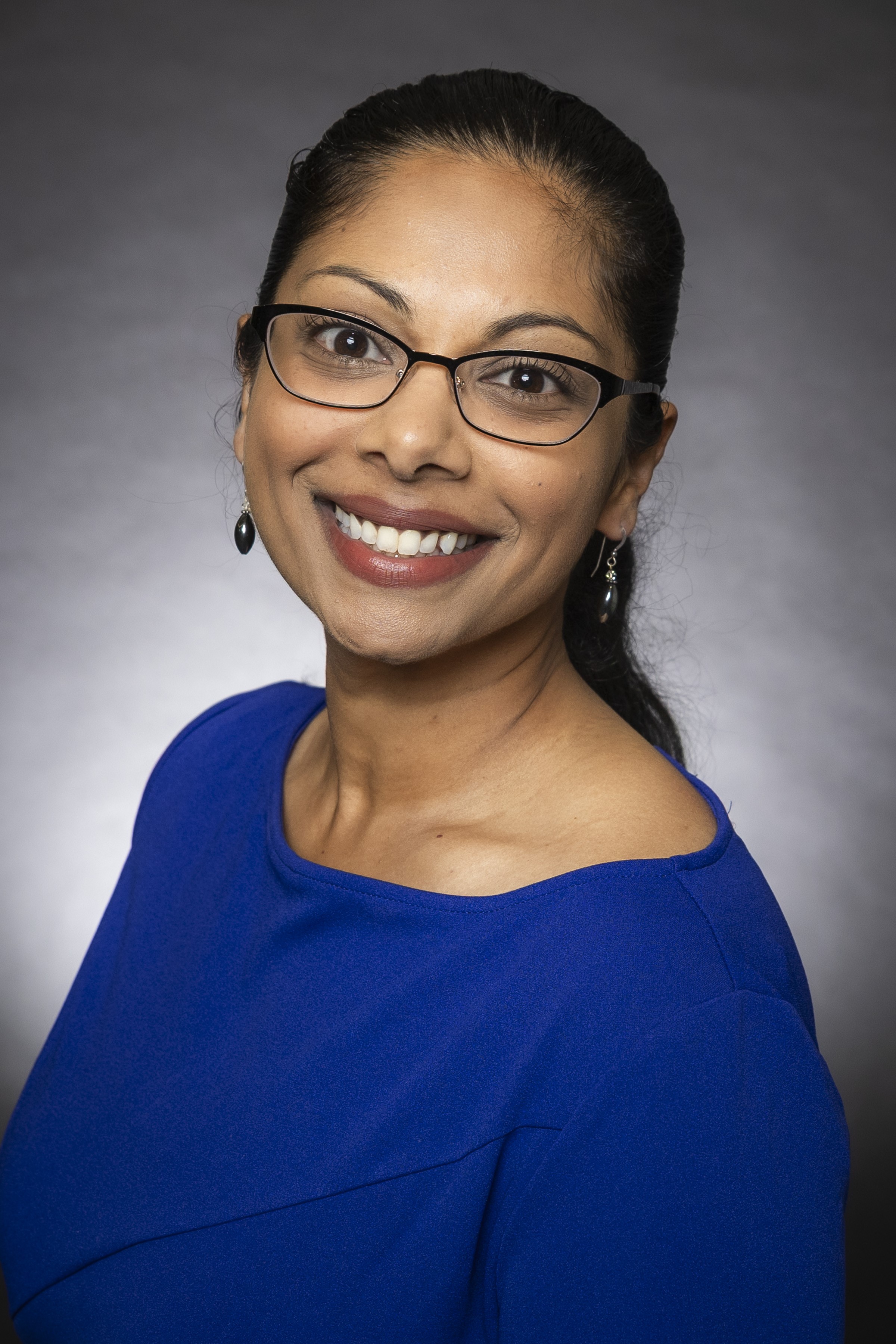
Dr. Anna Thomas
Explore More from Workplaces That Care
Read More: https://workplacesthatcare.com/blog
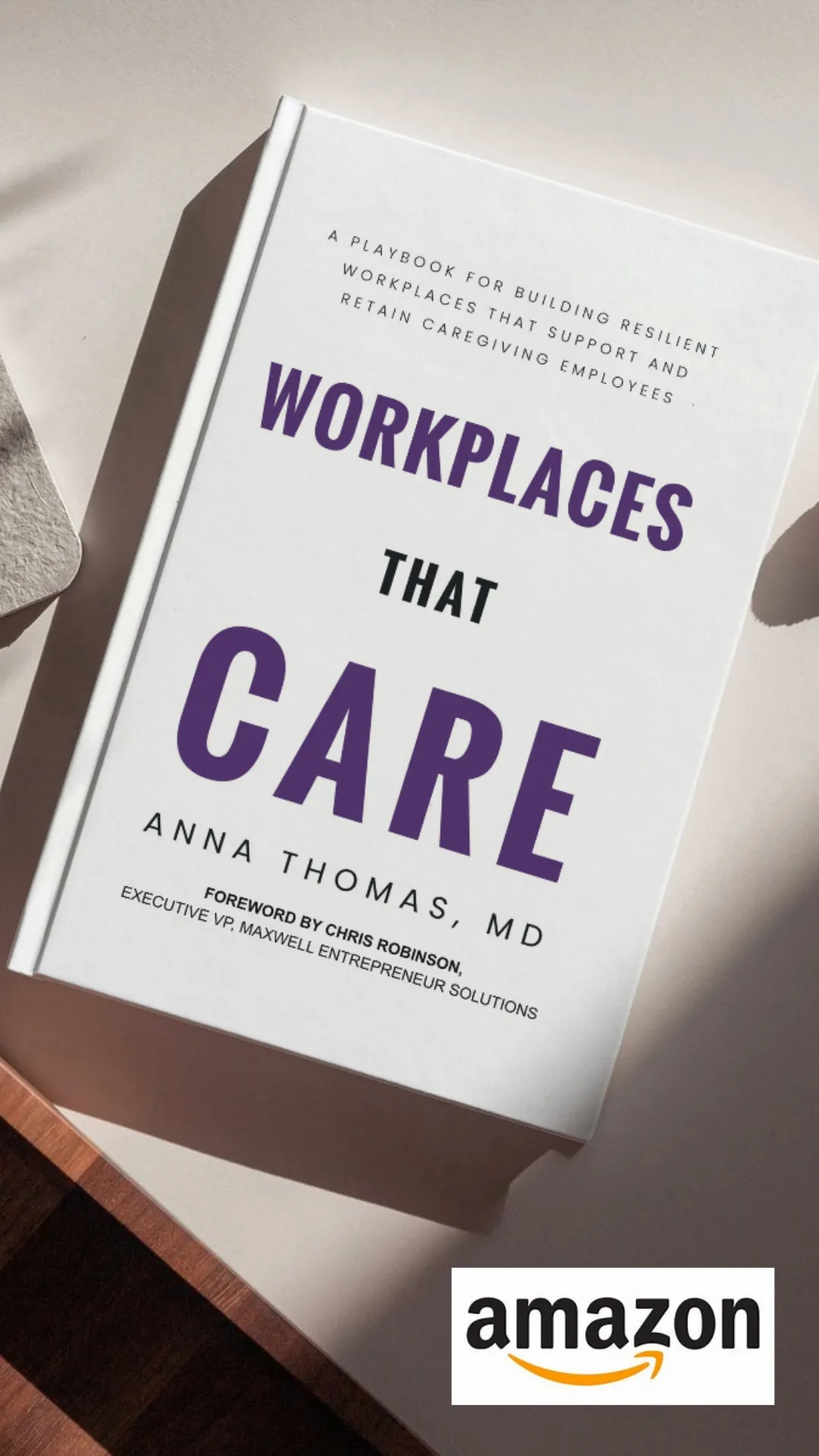
Workplaces That Care Book: https://amzn.to/49w0cl1
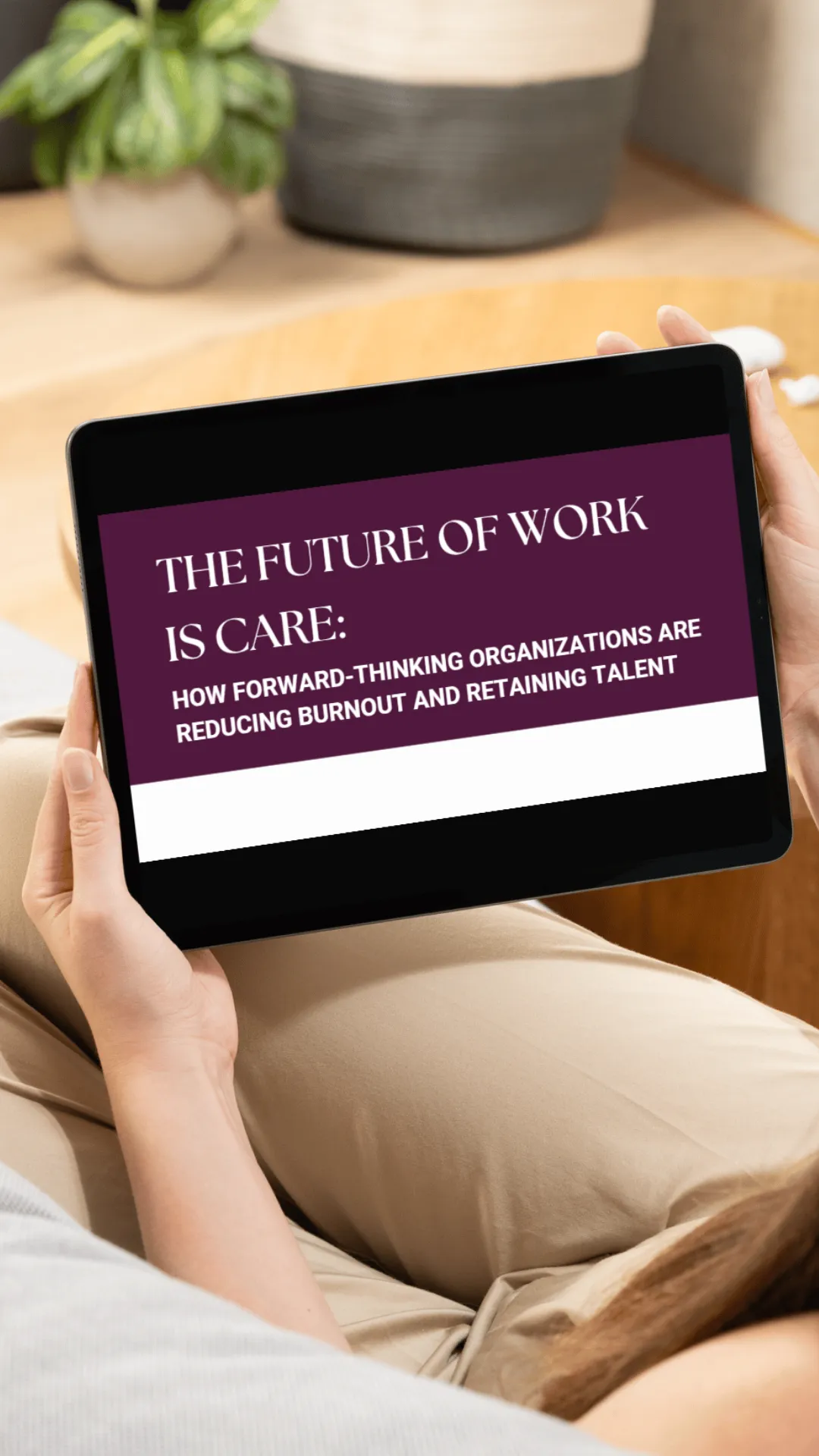
The Future of Work is CARE (free training): https://workplacesthatcare.com/webinar-registration
*Bio: Dr. Anna Thomas is a board-certified physician, TEDx speaker, workplace wellbeing strategist, and leadership coach who helps organizations strengthen culture, resilience, and performance in a changing world. As founder of LifeCare LeadHership and Workplaces That Care, she blends clinical insight with leadership development to teach practical tools for building supportive, care-ready workplaces. Her keynotes and trainings address workforce wellbeing, retention, burnout prevention, caregiving in the workplace, women's leadership, and navigating life and work transitions. As the creator of the CARE Framework, she equips leaders to support the whole person so teams stay engaged, healthy, and committed. Audiences appreciate her grounded delivery, relatable stories, and clear, actionable strategies. Learn more or book Dr. Thomas at www.WorkplaceWellbeingSpeaker.com
The views and opinions expressed in this post are solely those of Dr. Thomas and do not reflect the views of any past or present employer. This content is for educational and informational purposes only and is not intended as medical or legal advice.