Good Intentions, Missed Impact: Why Workplace Support Fails to Land for Working Caregivers
Good Intentions, Missed Impact: Why Workplace Support Fails to Land for Working Caregivers
Many organizations genuinely want to support working caregivers. They introduce flexible schedules, paid family leave, backup care services, employee assistance programs, and expanded wellbeing benefits. On paper, these initiatives demonstrate compassion and commitment.
Yet a surprising number of these programs remain underused.
The question isn't whether organizations are offering support.
The real question is whether employees feel safe enough to use it.
That distinction makes all the difference.
A caregiver balancing work with the demands of an aging parent, a child with special needs, or a spouse managing chronic illness may know that support exists. But if using that support feels risky, complicated, or career limiting, those benefits remain little more than words in an employee handbook.
Real workplace care is measured not by what is offered, but by what employees trust enough to use.
The Gap Between Policy and Culture
Throughout my work with organizations, I have met countless caregivers who quietly struggled despite working for employers with impressive benefits packages.
The problem was rarely the absence of policies.
It was the absence of psychological safety.
Employees questioned whether taking caregiver leave would affect future promotions. They wondered if reducing hours temporarily would cause colleagues to see them as less committed. Some feared using backup care or flexible schedules would damage their professional reputation.
The result was predictable.
Employees remained silent.
Benefits went unused.
Stress increased.
Organizations assumed everything was working because no one was asking for help.
This is the invisible gap between policy and culture.
Why Good Programs Fail
When organizations introduce caregiver support without addressing workplace culture, several patterns often emerge.
Employees begin treating benefits as risky rather than supportive.
Managers receive little guidance about how to discuss caregiver needs or encourage available resources.
Coworkers notice schedule adjustments without understanding the organizational principles behind them, leading to confusion and occasional resentment.
Leaders measure success by the existence of programs instead of their actual utilization or impact.
Over time, these patterns reinforce one another.
Employees see that few people use available benefits.
That silence becomes evidence that using them is unsafe.
As fewer employees participate, organizations mistakenly conclude that additional caregiver support is unnecessary.
The cycle continues.
Psychological Safety Is the Missing Ingredient
Policies provide permission.
Psychological safety provides confidence.
Employees need to know they can ask for flexibility without fearing hidden career consequences.
That confidence develops when leaders consistently communicate that caregiving is a normal part of life rather than an exception requiring apology.
Managers play a particularly important role.
A supportive conversation with a trusted leader often determines whether an employee seeks help early or struggles alone until reaching burnout.
Without manager confidence and organizational consistency, even the strongest caregiver benefits lose their effectiveness.
From Benefits to Belonging
Organizations seeking meaningful change should focus less on adding new programs and more on strengthening the culture surrounding existing ones.
Support begins with visibility.
Caregiver resources should be discussed regularly rather than introduced once during onboarding and forgotten.
Managers need practical education that equips them to discuss caregiving with empathy, consistency, and confidence.
Leadership should model healthy use of workplace flexibility whenever appropriate.
When employees see respected leaders openly utilizing flexible work arrangements or discussing caregiving responsibilities, support becomes normalized rather than stigmatized.
Stories matter.
Visible examples build trust far more effectively than written policies alone.
Measure What Matters
Organizations often track benefit eligibility.
Far fewer examine benefit utilization.
Understanding who uses available programs, which resources remain underused, and why employees hesitate provides valuable insight into workplace culture.
Employee surveys, listening sessions, and confidential feedback help identify barriers that may otherwise remain invisible.
These conversations should explore questions such as:
Do employees know caregiver resources exist?
Do they trust they can use them?
Do managers consistently encourage available support?
Are current programs meeting real employee needs?
Answers to these questions create opportunities for continuous improvement.
Turning Policies Into Practice
Caregiver support becomes meaningful when organizations intentionally activate it.
That means communicating frequently.
Training managers consistently.
Celebrating examples of successful benefit use.
Simplifying access.
Inviting employee feedback.
Reviewing programs regularly.
Most importantly, it means recognizing that trust cannot be written into a handbook.
Trust is built through everyday leadership behaviors.
Each conversation.
Each response.
Each decision.
Together, these moments shape whether employees experience caregiver support as genuine or merely symbolic.
Why This Matters
Working caregivers contribute tremendous value to organizations.
They demonstrate resilience, adaptability, empathy, and exceptional problem-solving skills developed through navigating complex responsibilities every day.
When they feel supported, they remain engaged.
They continue developing as leaders.
They strengthen organizational culture through their experience and perspective.
When they feel unsupported, organizations lose more than talented employees.
They lose institutional knowledge, leadership potential, and long-term commitment.
The return on investing in caregiver support extends far beyond employee wellbeing.
It strengthens retention, engagement, innovation, and organizational resilience.
A Final Reflection
The existence of a caregiver benefit means very little if employees do not feel safe using it.
Policies create opportunity.
Culture determines whether that opportunity becomes reality.
The organizations that lead the future will not simply offer more caregiver benefits.
They will build workplaces where employees trust those benefits enough to use them with confidence.
That is the difference between compliance and care.
If this article resonated with you, subscribe to the Workplaces That Care newsletter for practical leadership insights, evidence-based workplace strategies, and resources that help you build cultures where caregiver support becomes part of everyday leadership.
Together, let's build a workplace that CARES!
Dr. Anna Thomas
Explore More from Workplaces That Care
Read More: https://workplacesthatcare.com/blog
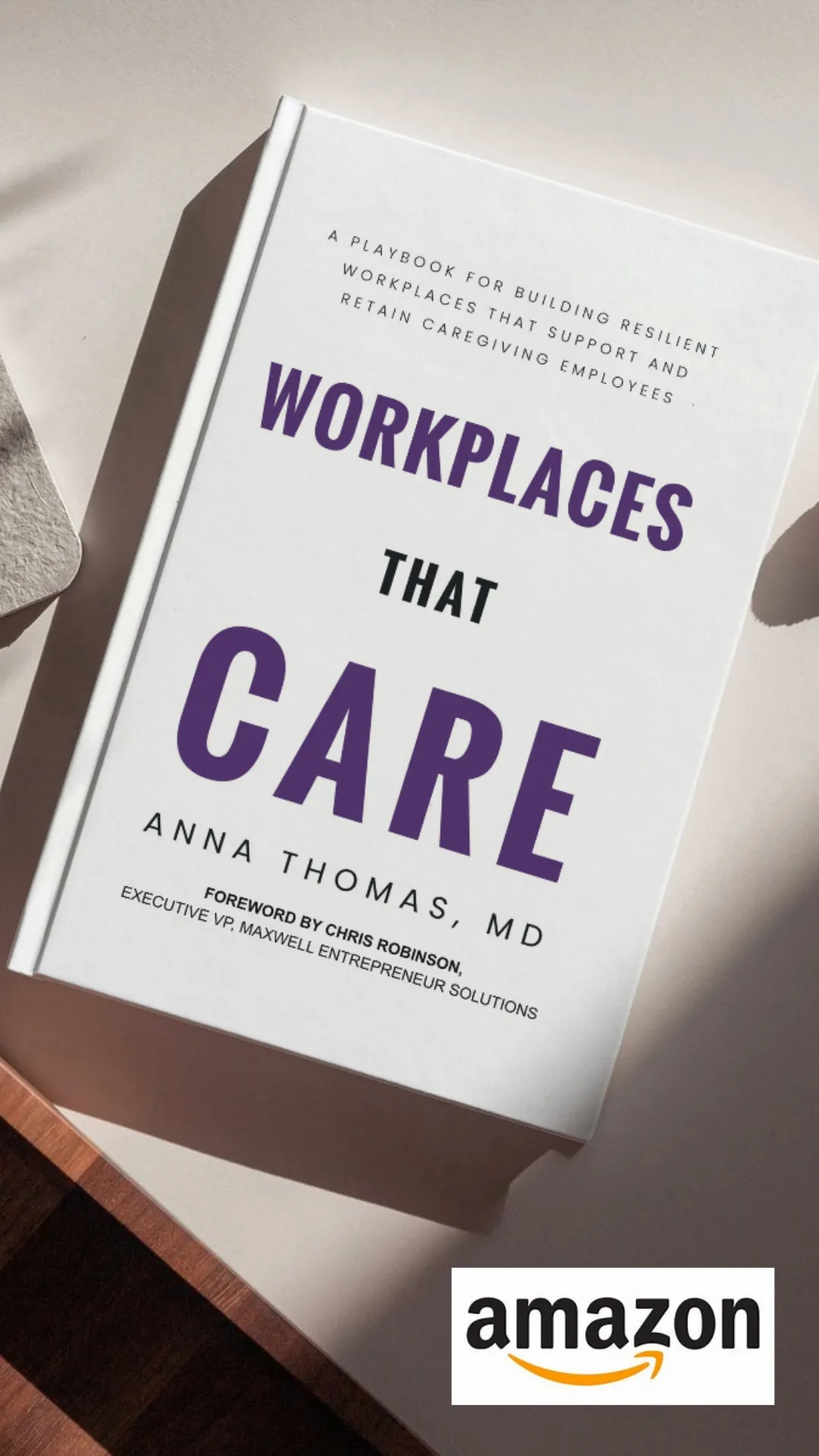
Workplaces That Care Book: https://amzn.to/49w0cl1
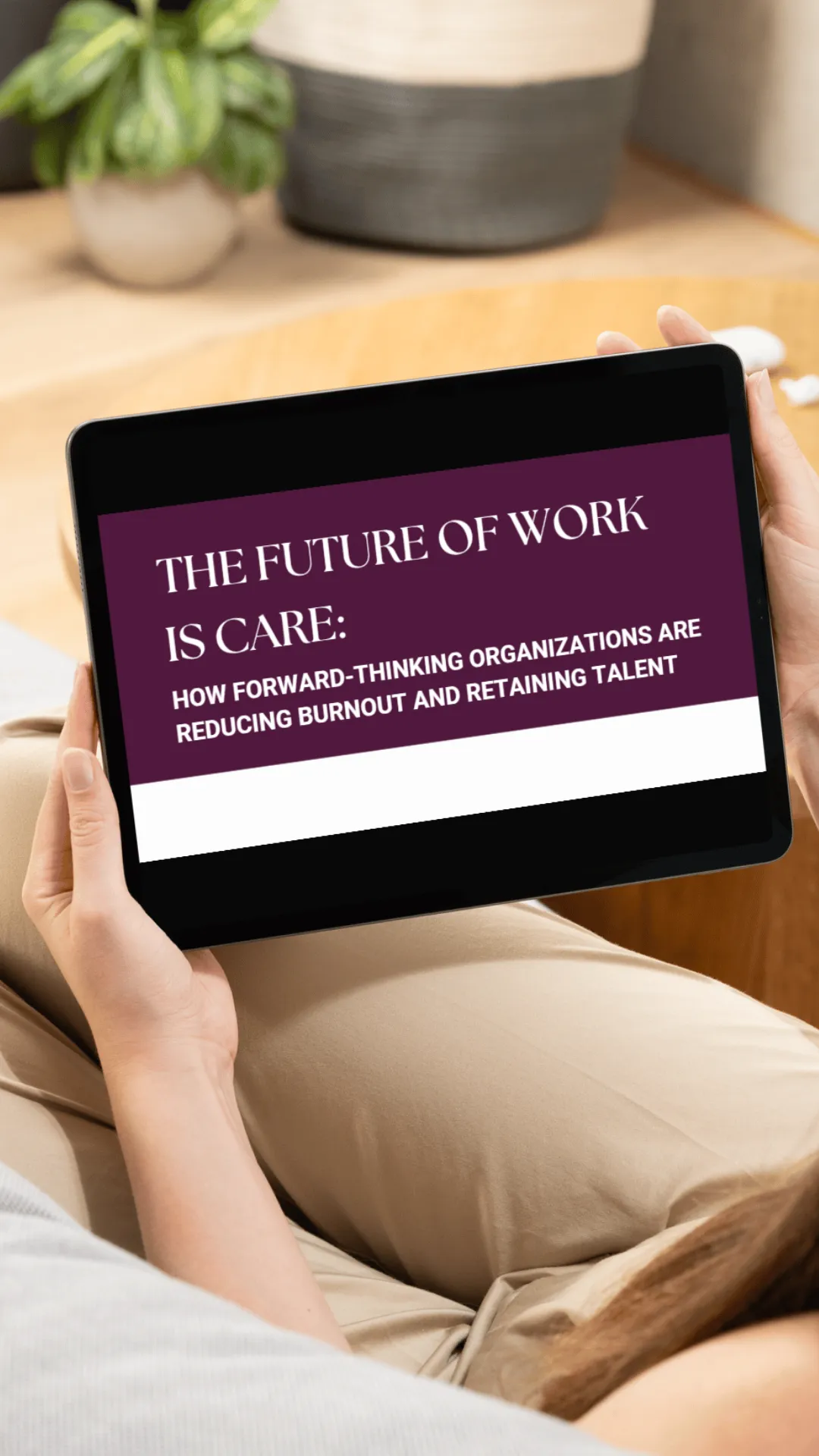
The Future of Work is CARE (free training): https://workplacesthatcare.com/webinar-registration
*Bio: Dr. Anna Thomas is a board-certified physician, TEDx speaker, workplace wellbeing strategist, and leadership coach who helps organizations strengthen culture, resilience, and performance in a changing world. As founder of LifeCare LeadHership and Workplaces That Care, she blends clinical insight with leadership development to teach practical tools for building supportive, care-ready workplaces. Her keynotes and trainings address workforce wellbeing, retention, burnout prevention, caregiving in the workplace, women's leadership, and navigating life and work transitions. As the creator of the CARE Framework, she equips leaders to support the whole person so teams stay engaged, healthy, and committed. Audiences appreciate her grounded delivery, relatable stories, and clear, actionable strategies. Learn more or book Dr. Thomas at www.WorkplaceWellbeingSpeaker.com
The views and opinions expressed in this post are solely those of Dr. Thomas and do not reflect the views of any past or present employer. This content is for educational and informational purposes only and is not intended as medical or legal advice.