From Boss to Coach: 5 Communication Shifts Every Leader Needs
From Boss to Coach: 5 Communication Shifts Every Leader Needs
Why effective leadership today is less about control and more about connection, trust, and helping people grow.
The workplace has changed. But has the way we lead changed with it?
For decades, many managers were expected to provide direction, monitor performance, and make decisions for their teams.
Today, employees need more than instructions and supervision.
They need leaders who listen, ask thoughtful questions, provide meaningful feedback, and create opportunities for growth.
The future of leadership isn't about having all the answers. It's about asking better questions.
As organizations navigate hybrid work, artificial intelligence, automation, and increasing workplace pressures, the ability to coach rather than simply direct employees is becoming an important leadership capability.
And that requires a shift in how managers communicate.
Why Managers Need to Move From Boss to Coach
Traditional management often emphasizes authority, instructions, and oversight.
Managers establish expectations, assign responsibilities, and monitor results.
While clear direction remains important, relying exclusively on this approach can limit opportunities for employees to contribute ideas, solve problems independently, and develop confidence.
Coaching leadership takes a different approach.
Instead of providing every answer, managers help employees explore possibilities, navigate challenges, and take ownership of their work.
A coaching manager doesn't abandon accountability.
They combine clear expectations with curiosity, collaboration, and support.
This approach can help strengthen three important elements of workplace performance:
Clarity: Employees understand expectations, priorities, and desired outcomes.
Confidence: Employees have opportunities to develop judgment, problem-solving skills, and greater independence.
Commitment: Employees are invited to contribute to decisions and take ownership of agreed-upon goals.
The difference between managing and coaching isn't your job title. It's how you help people succeed.
1. Shift From Telling to Asking
One of the simplest ways to become a more effective coaching leader is to ask more questions.
Traditional management communication often sounds like:
"Here's what you need to do."
Coaching communication sounds different:
"What do you think would work best here?"
The second question invites employees to think critically, share perspectives, and participate in finding solutions.
It also gives managers valuable insight into how employees approach challenges.
Consider incorporating questions such as:
"What options have you considered?"
"What do you think is the best next step?"
"What support would help you move forward?"
"What might we be overlooking?"
These conversations encourage problem-solving and create opportunities for employees to develop confidence.
There will always be situations requiring direct instructions, particularly when expectations, safety, or urgent decisions demand clarity.
But when employees have room to contribute, asking before telling can strengthen ownership.
Great coaches don't rush to provide every answer. They help others discover solutions.
2. Shift From Correcting to Collaborating
Mistakes and setbacks are inevitable in the workplace.
The way managers respond can influence whether employees approach challenges with openness or hesitation.
A traditional response might begin with:
"Why did this happen?"
Depending on the tone and circumstances, that question may leave an employee feeling defensive.
A coaching approach encourages reflection.
"What did you notice, and what could we try differently next time?"
This doesn't mean avoiding accountability.
It means approaching performance challenges with a focus on learning and improvement.
Managers can support this shift by:
Discussing specific outcomes rather than assigning blame.
Asking employees to reflect on what worked and what didn't.
Exploring alternative approaches together.
Agreeing on clear next steps.
Following up on progress.
When employees understand that mistakes can be discussed constructively, they may feel more comfortable raising concerns early.
Accountability and compassion aren't opposites. Effective leadership requires both.
3. Shift From Annual Reviews to Continuous Feedback
Performance conversations shouldn't happen only once or twice a year.
When feedback is delayed until a formal review, employees may miss valuable opportunities to make adjustments, ask questions, and develop new skills.
Coaching leaders make feedback part of regular communication.
That might include brief weekly conversations focused on priorities, challenges, progress, and development.
Helpful questions include:
"What's working well right now?"
"What's getting in your way?"
"Where could you use additional support?"
"What would you like to improve?"
"What have you learned since our last conversation?"
These discussions don't have to be lengthy.
Their value comes from consistency and relevance.
Regular feedback also allows managers to recognize progress, clarify expectations, and identify concerns before they become larger problems.
Coaching isn't a once-a-year conversation. It's an ongoing leadership practice.
4. Shift From Control to Curiosity
Managers often feel pressure to have answers.
After all, leadership traditionally comes with expectations of expertise, authority, and decision-making.
But effective leadership also requires recognizing that valuable insight can come from employees at every level.
Curiosity helps managers understand perspectives they might otherwise overlook.
Instead of assuming the best approach is already known, coaching leaders ask:
"What are we missing?"
"How would you approach this?"
"What might make this process easier?"
"What concerns should we consider?"
These questions create opportunities for shared problem-solving.
Curiosity doesn't weaken leadership authority.
It helps managers make more informed decisions while demonstrating respect for employees' experience and judgment.
This is particularly relevant in workplaces where technology, processes, and employee expectations are changing rapidly.
No single leader can anticipate every challenge or have expertise in every area.
Leadership isn't diminished by curiosity. It becomes more collaborative.
5. Shift From Managing Tasks to Developing People
Managers are responsible for results.
Deadlines matter. Performance matters. Organizational goals matter.
But focusing exclusively on tasks can cause leaders to overlook an equally important responsibility: developing the people who perform the work.
Coaching leaders consider both immediate outcomes and long-term employee growth.
They ask questions such as:
"What skills would you like to strengthen?"
"What kind of work would help you grow?"
"Where would you like more responsibility?"
"What opportunities could help you prepare for your next step?"
These conversations help employees connect their daily responsibilities with professional development.
Managers can also create opportunities for employees to lead projects, practice new skills, and contribute ideas.
Developing people requires time and intention.
But it helps build stronger teams by expanding the capabilities of the individuals within them.
The best leaders don't just ask for results. They invest in the people who produce them.
Why Coaching Leadership Matters for Workplace Wellbeing
Leadership communication influences more than task completion.
It also shapes how employees experience work.
When managers communicate through constant correction, excessive oversight, or unclear expectations, employees may experience frustration or uncertainty.
Coaching conversations offer a different approach.
They create opportunities for employees to ask questions, discuss challenges, clarify priorities, and participate in decisions affecting their work.
For employees balancing caregiving responsibilities, health concerns, or other life pressures, this communication style can be especially valuable.
A coaching manager might ask:
"What adjustments could help you meet these priorities?"
"Which deadlines are most challenging right now?"
"How can we maintain the team's goals while exploring the flexibility available?"
These questions focus on practical solutions without requiring employees to disclose unnecessary personal information.
Compassionate leadership isn't about removing expectations. It's about helping people meet them with clarity, dignity, and appropriate support.
Coaching Leadership in the Age of AI
Artificial intelligence and automation are transforming how organizations operate.
Technology can assist with scheduling, workflow management, performance tracking, data analysis, and many administrative responsibilities.
But leadership involves more than processing information.
Managers must also navigate difficult conversations, understand team dynamics, exercise judgment, and help employees develop confidence.
Coaching leadership emphasizes these human responsibilities.
As technology changes how work gets done, organizations have an opportunity to rethink how managers spend their time.
Instead of focusing primarily on monitoring tasks, managers can place greater emphasis on employee development, problem-solving, and meaningful communication.
AI may help leaders access information and improve efficiency.
But building genuine relationships and exercising compassionate judgment remain important human responsibilities.
The future of leadership isn't simply about managing technology. It's about developing people alongside it.
Bringing Coaching Leadership to Life Through the CARE™ Framework
The CARE™ Framework—Culture, Awareness, Resources, and Empowerment—provides a practical lens for supporting coaching leadership.
Culture: Build an environment where respectful communication, collaboration, and employee development are valued.
Awareness: Help managers recognize employee needs, workload challenges, and opportunities for meaningful feedback.
Resources: Provide leadership training, coaching tools, practical conversation guides, and organizational support.
Empowerment: Encourage managers to develop employees' confidence, judgment, and ability to take ownership of their work.
Together, these dimensions support a leadership approach that connects performance expectations with human-centered management.
Because becoming a better coach shouldn't depend entirely on individual effort.
Organizations also need to provide the structures and resources that make coaching leadership possible.
How to Start Becoming a Coaching Leader Today
Moving from boss to coach doesn't require changing everything overnight.
It begins with small changes in everyday conversations.
During your next one-on-one meeting, resist the urge to immediately provide a solution.
Ask your employee what they think.
When a project doesn't go as planned, focus on what can be learned.
When someone demonstrates progress, acknowledge it.
And when discussing performance, make room for development—not just deadlines.
These habits take practice.
They also require managers to balance listening with direction and curiosity with accountability.
But over time, they can help create a more collaborative leadership experience.
The Bottom Line: Great Leaders Don't Just Manage. They Develop.
The shift from boss to coach isn't about becoming less decisive or less accountable.
It's about recognizing that leadership effectiveness depends on more than directing tasks.
It requires listening, collaboration, thoughtful feedback, curiosity, and a commitment to helping people grow.
The workplace will continue to evolve.
AI will change how tasks are completed. Technology will reshape workflows. Organizations will face new challenges.
But the need for human connection, trust, and effective leadership will remain.
Leadership isn't just about getting work done. It's about developing the people who make that work possible.
The future of work is still human.
Let's create workplaces that care.
Take the Next Step
I'm Dr. Anna Thomas, physician, leadership speaker, two-time TEDx presenter, caregiver advocate, and corporate wellness specialist.
I help organizations strengthen workforce wellbeing and create workplaces where people and performance thrive together.
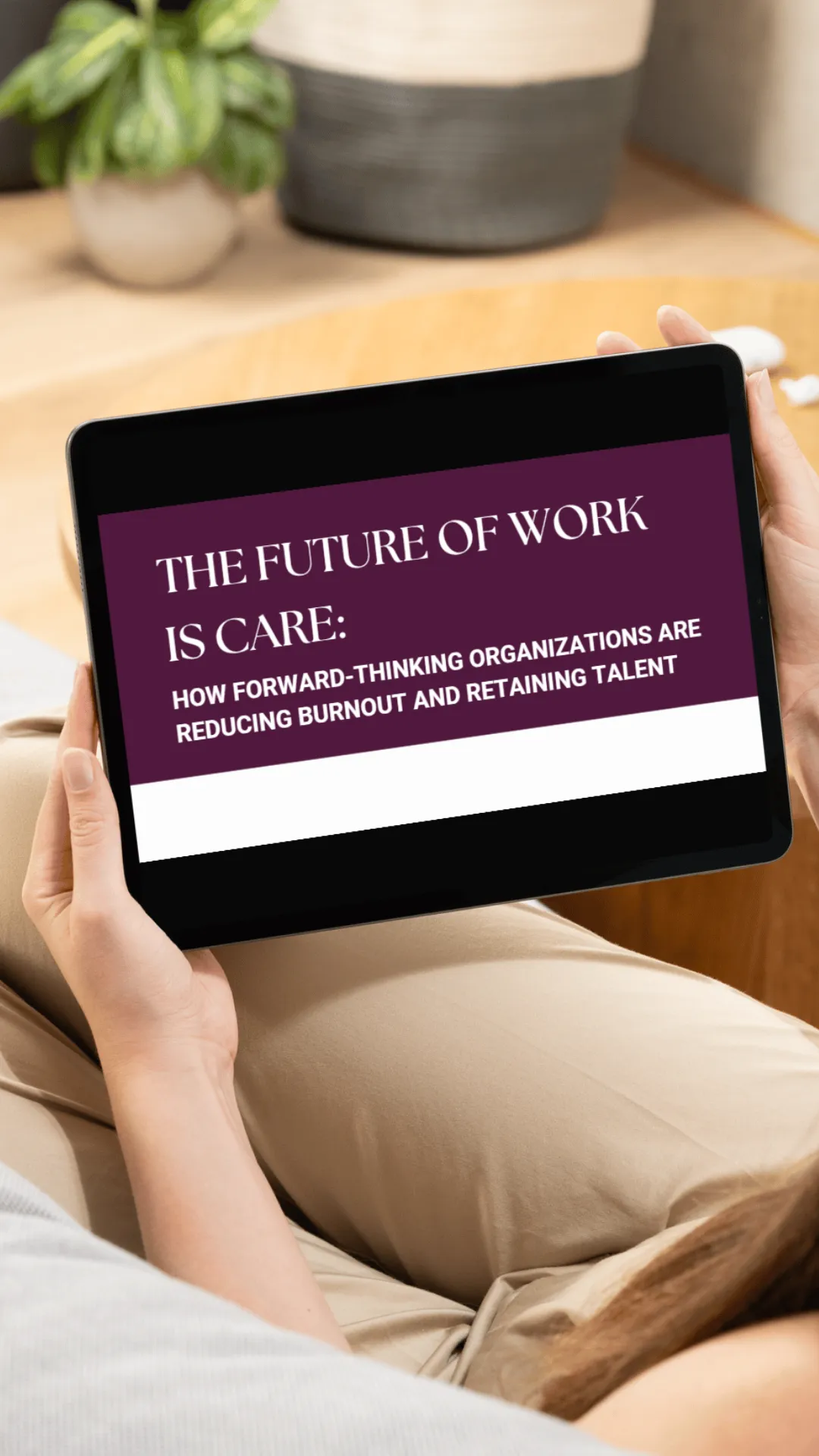
Watch my free training, The Future of Work Is Care:
https://www.workplacesthatcare.com/home
Explore practical ways to strengthen leadership communication and create supportive workplace cultures through the CARE™ Framework.
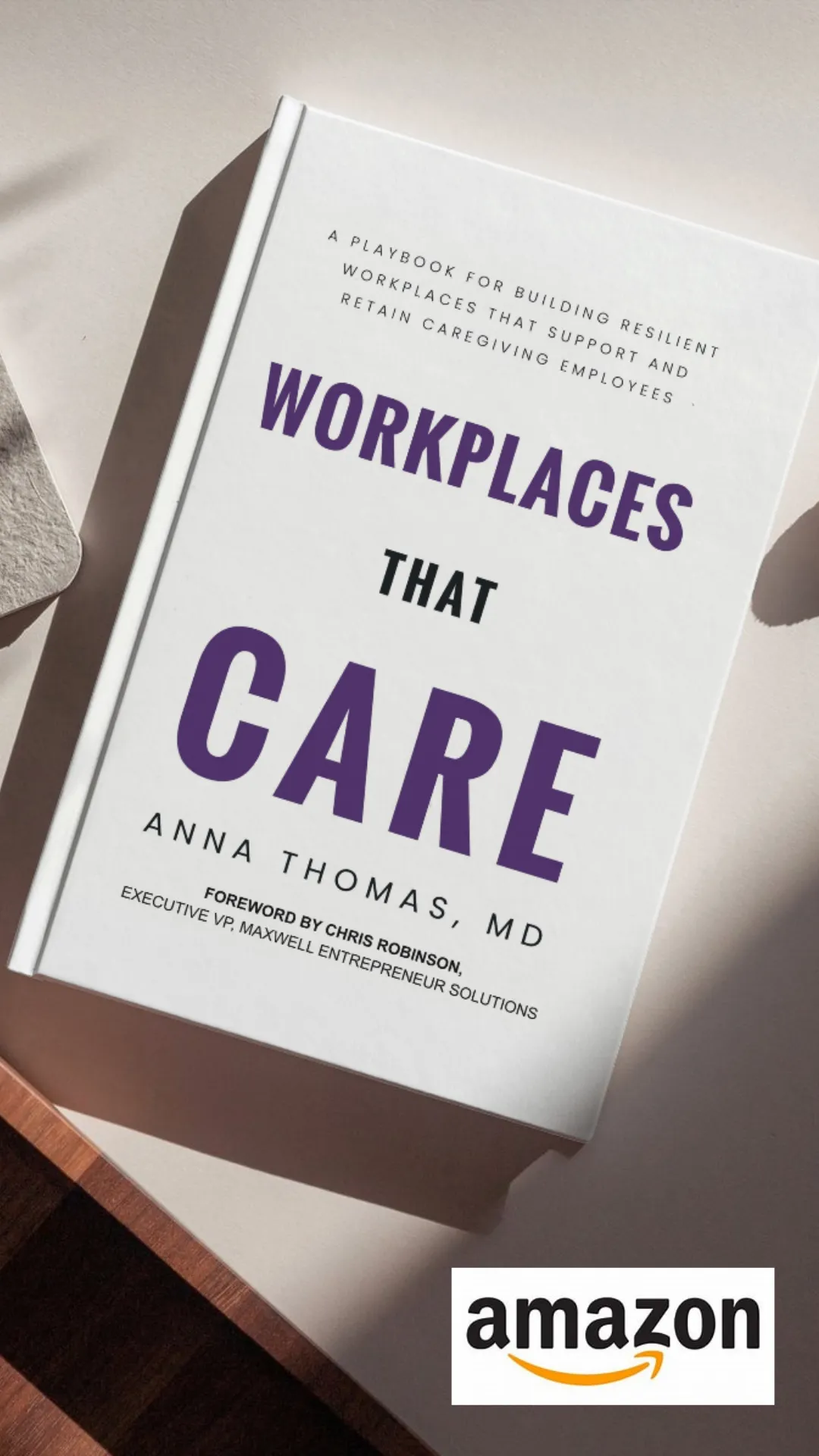
Get my book, Workplaces That Care:
Discover a deeper approach to building human-centered workplaces where employee wellbeing and organizational performance can thrive together.