How Leadership Language Builds Trust at Work
How Leadership Language Builds Trust at Work
Why the words leaders use matter for psychological safety, employee wellbeing, and workplace culture.
Your organization may have supportive workplace policies.
Flexible work arrangements. Paid family leave. Wellness programs. Caregiver benefits.
But what happens when the language employees hear every day sends a different message?
Comments such as "You're asking for too much," "We need people without distractions," or "Personal issues should stay outside work" can make employees question whether it's acceptable to discuss their needs.
Even when an organization offers support, everyday communication can discourage employees from accessing it.
Workplace culture isn't defined only by what organizations promise. It's shaped by what leaders say and do.
For employees balancing caregiving responsibilities, health concerns, family needs, or major life transitions, leadership language can influence whether they feel comfortable asking questions, discussing flexibility, and communicating changing circumstances.
Building a supportive workplace therefore requires more than well-designed policies.
It requires leaders who communicate with clarity, empathy, and respect.
Why Leadership Language Matters for Workplace Trust
Words communicate expectations.
They tell employees what behaviors are valued, what concerns are acceptable to raise, and how leaders define professional commitment.
Consider two different responses to an employee requesting schedule flexibility.
Response one:
"We'll try to make an exception, but we really need everyone fully committed."
Response two:
"Let's review the available flexibility options and determine how we can support your needs while meeting the team's responsibilities."
Both responses acknowledge the request.
But they communicate different expectations.
The first may imply that flexibility reflects reduced commitment.
The second approaches the situation as a practical discussion about available options and shared responsibilities.
This distinction matters because employees interpret leadership communication when deciding whether to raise concerns or request support.
Language can either reinforce stigma or create conditions for more open, respectful communication.
1. Replace Exception-Based Language With Inclusive Expectations
Workplace flexibility is sometimes described as a special favor.
Managers may say they are "making an exception" when supporting someone with caregiving responsibilities.
Although the intention may be positive, this language can unintentionally suggest that employees with personal responsibilities are asking for something unusual.
A more inclusive approach communicates that caregiving and other life responsibilities are recognized within workplace planning.
Instead of saying:
"We'll accommodate you this time."
Consider saying:
"Let's review the options available under our workplace flexibility policy."
Instead of positioning support as a personal favor, leaders can communicate how established policies and procedures apply.
This approach helps create consistency while reinforcing that employees can discuss their circumstances without being treated as exceptions.
2. Normalize Conversations About Workload and Life Responsibilities
Employees should not have to disclose private personal information to receive respectful treatment.
Managers can create opportunities for supportive communication without asking intrusive questions.
For example, instead of asking employees to explain everything happening at home, managers can focus on work-related needs.
Supportive questions include:
"How manageable is your workload right now?"
"Are there scheduling challenges we should plan around?"
"What support would help you meet your current priorities?"
"Are there resources or adjustments you'd like to discuss?"
These questions keep the conversation focused on responsibilities, available support, and practical solutions.
They also allow employees to decide how much personal information they want to share.
Compassionate leadership doesn't require knowing every detail of an employee's life. It requires creating space for respectful communication.
3. Rethink Workplace Phrases That Can Undermine Trust
Sometimes workplace culture is shaped by comments that appear minor or routine.
A remark during a meeting, a performance discussion, or a casual conversation may communicate more than the speaker intends.
Here are examples of phrases worth reconsidering.
Instead of saying | Consider saying |
|---|---|
"We all have problems. Just push through." | "Let's review priorities and see what support is available." |
"We don't usually make exceptions." | "Here's how our support and flexibility policies work." |
"She's great, but distracted lately." | "Let's discuss performance using specific work-related observations." |
"We need people who are always available." | "Let's clarify availability expectations and coverage needs." |
"I don't need special treatment." | "Different circumstances may require different forms of support within our policies." |
The goal isn't to make workplace conversations overly scripted.
It's to communicate expectations without unnecessary judgment, assumptions, or stigma.
Leaders can remain clear about performance requirements while treating employees with dignity.
4. Examine the Language Used in Performance Reviews
Employee performance should be evaluated through clear, relevant expectations.
Yet performance discussions sometimes rely on broad terms such as "commitment," "dedication," or "resilience."
These concepts can become problematic when they are interpreted primarily through hours worked, constant availability, or assumptions about personal circumstances.
For example, an employee who requests caregiving flexibility should not automatically be viewed as less committed.
Managers can strengthen performance conversations by focusing on:
Clearly defined responsibilities.
Quality and completion of work.
Agreed-upon performance outcomes.
Team collaboration and communication.
Documented performance expectations.
When discussing challenges, leaders should use specific examples and avoid assumptions about an employee's personal life.
Flexibility and accountability can coexist when expectations are clear and consistently applied.
5. Build Inclusive Language Into Everyday Team Communication
Supportive leadership communication shouldn't appear only during difficult conversations.
It should be reflected in regular workplace interactions.
During onboarding
Explain available support resources and encourage employees to ask questions about relevant policies.
For example:
"Here's how flexibility works on our team and where you can find additional information."
During team meetings
Reinforce clarity around priorities, availability, and workload expectations.
For example:
"Let's identify any scheduling or capacity issues early so we can plan effectively."
During one-on-one conversations
Create opportunities for employees to discuss work-related needs without pressure to disclose personal details.
For example:
"Is there anything affecting your ability to manage current priorities that we should address?"
During leadership communication
Senior leaders can model language that recognizes employee wellbeing as part of organizational responsibility.
For example:
"We want our policies, expectations, and everyday practices to support sustainable performance."
When these messages are repeated consistently and supported by action, they can help reinforce workplace expectations.
6. Train Managers to Communicate With Empathy and Clarity
Managers often navigate conversations involving performance, flexibility, caregiving responsibilities, and employee wellbeing.
These situations require more than good intentions.
They require communication skills and clear organizational guidance.
Leadership development should include practical training in:
Active listening and respectful responses.
Neutral, nonjudgmental language.
Maintaining appropriate professional boundaries.
Discussing flexible work options.
Avoiding assumptions about employee commitment.
Communicating performance expectations.
Knowing when to involve HR or other available resources.
Scenario-based training can help managers practice responding to difficult workplace situations.
Organizations should also provide clear policies and escalation processes so managers aren't expected to resolve complex situations independently.
The objective is to make compassionate communication both practical and consistent.
7. Model Supportive Language at the Executive Level
Workplace communication is influenced by senior leadership.
When executives communicate that employee wellbeing, reasonable boundaries, and respectful treatment matter, they establish expectations for the broader organization.
But leadership messages need to be consistent with actual practices.
If executives encourage flexibility while rewarding constant availability, employees may receive conflicting signals.
Similarly, statements about workplace wellbeing have limited value when employees don't understand how to access support.
Leaders should therefore align their language with:
Organizational policies.
Performance expectations.
Management practices.
Employee support resources.
Accountability for consistent implementation.
Trust is strengthened when what leaders say aligns with what employees experience.
How the CARE™ Framework Supports Leadership Communication
The CARE™ Framework—Culture, Awareness, Resources, and Empowerment—offers a practical lens for examining workplace communication.
Culture: Use respectful, consistent language that reinforces belonging, fairness, and employee wellbeing.
Awareness: Help managers recognize how everyday communication may affect employees balancing work and personal responsibilities.
Resources: Provide communication training, practical scripts, policy guidance, and clear support pathways.
Empowerment: Equip managers to respond confidently while giving employees understandable ways to raise concerns and request available support.
Together, these dimensions help organizations connect leadership communication with everyday workplace practices.
Because communication is not separate from workplace culture.
It's one of the ways culture becomes visible.
The Real Test: What Happens When an Employee Needs Help?
Imagine an employee telling a manager:
"My father has had an emergency. I need to leave early."
The manager's response matters.
A respectful response might be:
"Thanks for letting me know. Please take care of what you need. Let's quickly identify any urgent work that requires coverage, and we can review the available leave or flexibility options."
This response acknowledges the situation without requesting unnecessary personal details.
It also provides a practical path for managing team responsibilities.
Not every request will have an identical solution, and workplace requirements still matter.
But the conversation can remain compassionate, clear, and professional.
These everyday interactions are where employees experience an organization's commitment to care.
The Bottom Line: Leadership Language Shapes Workplace Culture
Supportive workplace policies are important.
But the words used to communicate and implement those policies matter too.
For employees balancing caregiving, health concerns, and other life responsibilities, everyday language can influence whether support feels accessible or uncertain.
Leaders can strengthen workplace trust by normalizing conversations about workload, communicating clear expectations, avoiding stigmatizing assumptions, and responding to employee needs with empathy.
You don't need perfect words. You need consistent communication grounded in clarity, respect, and care.
As AI, automation, and new technologies reshape the workplace, human communication remains essential to effective leadership.
The future of work is still human.
Let's create workplaces that care.
Take the Next Step
I'm Dr. Anna Thomas, physician, leadership speaker, two-time TEDx presenter, caregiver advocate, and corporate wellness specialist.
I help organizations strengthen workforce wellbeing and create workplaces where people and performance thrive together.
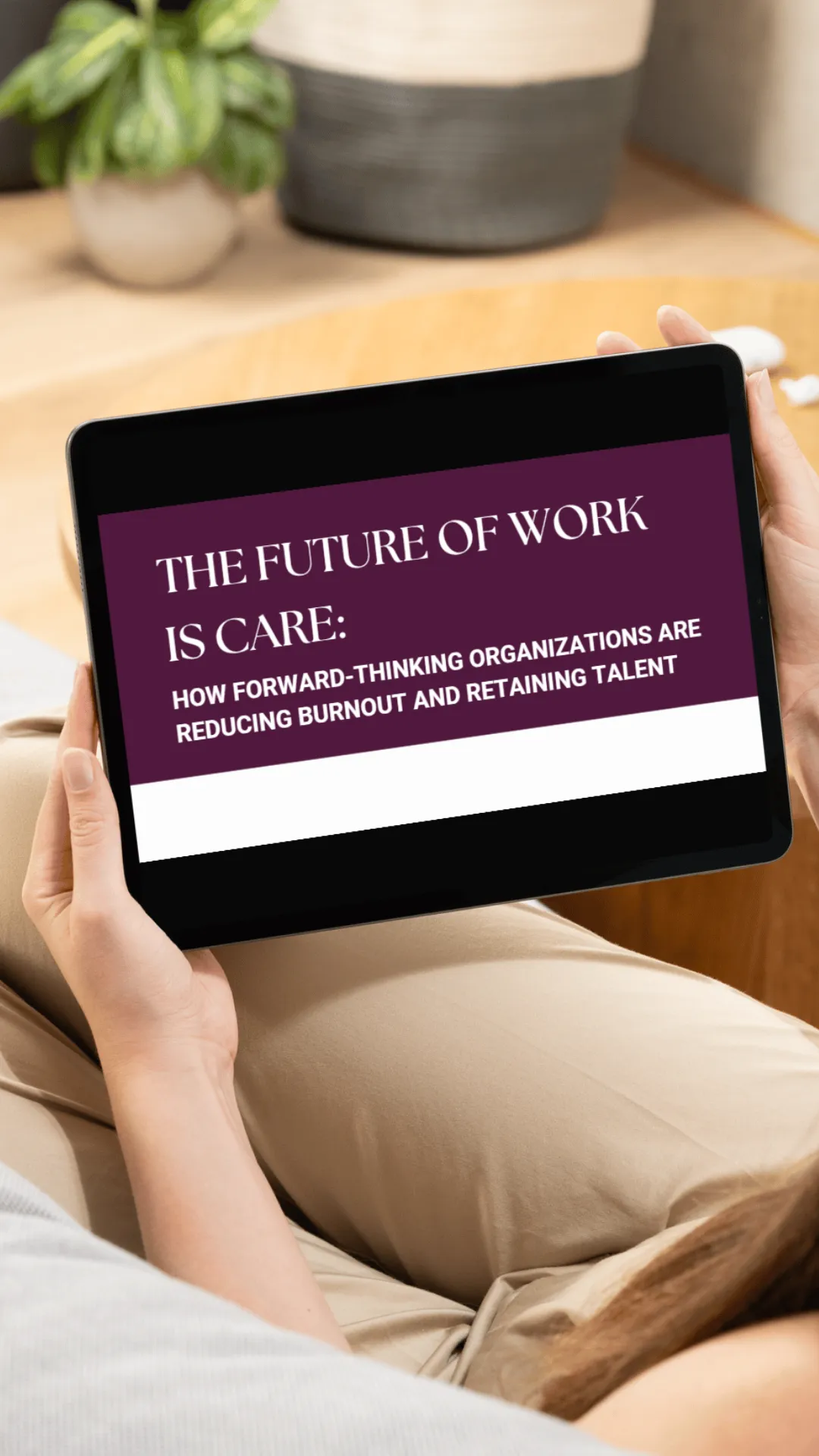
Watch my free training, The Future of Work Is Care:
https://www.workplacesthatcare.com/home
Explore practical strategies for building supportive workplace cultures through the CARE™ Framework.
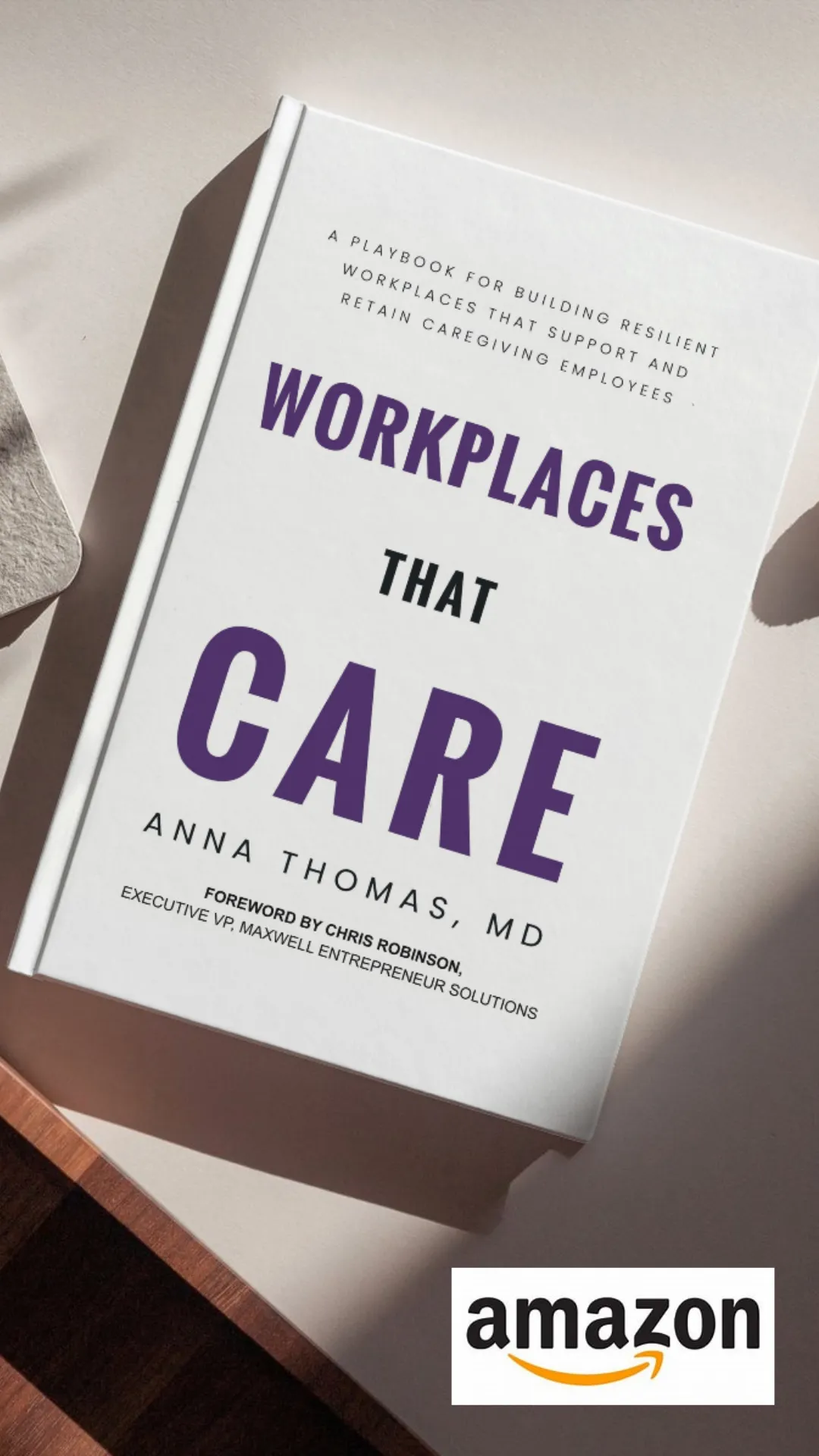
Get my book, Workplaces That Care:
Discover how leaders can create human-centered workplaces where employee wellbeing and organizational performance reinforce each other.
W