From Accommodation to Caregiver Inclusion
Why the future of workplace wellbeing requires more than flexibility
When an employee with caregiving responsibilities asks for flexibility, how does your organization respond?
Is the request treated as an exception that needs approval—or as an opportunity to create a more inclusive workplace?
This distinction matters.
For many organizations, caregiver support begins and ends with accommodation. A flexible schedule is approved. A temporary adjustment is made. A manager finds a way to help.
While these responses can be valuable, they don't necessarily create a culture of inclusion.
Accommodation responds to a need. Inclusion changes the system.
As workplaces evolve alongside artificial intelligence, automation, and changing workforce expectations, leaders must recognize that employees bring complex life responsibilities to work.
Creating caregiver-inclusive workplaces isn't simply about offering more benefits. It's about designing cultures where employees can balance professional expectations and caregiving responsibilities without feeling that their commitment or potential is being questioned.
Accommodation vs. Inclusion: What's the Difference?
Accommodation is often reactive.
An employee experiences increasing caregiving pressures, struggles to maintain existing work arrangements, and eventually requests flexibility.
The organization responds to that individual situation.
Inclusion, however, is proactive.
It means designing workplace policies, leadership practices, and communication systems that recognize caregiving as a normal part of employees' lives.
In a caregiver-inclusive workplace, employees understand their options before they reach a crisis.
They know how to request support, where to find resources, and what expectations apply.
Most importantly, they aren't made to feel that caregiving responsibilities diminish their professional value.
1. Reframe Flexibility as a Workplace Strategy
In some organizations, flexibility is still communicated as a special privilege rather than an established workplace practice.
Employees may believe they must demonstrate exceptional circumstances before requesting an adjustment.
This approach can unintentionally discourage communication and create uncertainty.
A more inclusive approach positions flexibility as a workforce strategy that supports employees while maintaining clear performance expectations.
Leaders can begin by:
Communicating available flexible work arrangements clearly.
Establishing consistent guidelines for reviewing requests.
Evaluating performance based on outcomes wherever appropriate.
Making flexibility discussions part of regular workforce planning.
The goal isn't to eliminate accountability.
It's to create flexibility without sacrificing fairness, clarity, or performance.
2. Design Caregiver Inclusion Into Workplace Systems
Caregiver inclusion should not depend entirely on an individual manager's willingness or ability to help.
It should be reflected in organizational systems.
For HR and executive leaders, this means examining how existing policies, benefits, and workplace practices support employees managing caregiving responsibilities.
Practical opportunities include:
Employee listening: Create opportunities for employees to identify caregiving-related challenges and workplace support needs.
Benefits assessment: Review awareness, accessibility, and use of available caregiver resources.
Employee resource groups: Include caregiving experiences in employee communities and workplace inclusion conversations.
Policy clarity: Ensure employees and managers understand flexible work arrangements, available resources, and relevant procedures.
These steps help organizations move beyond responding to isolated requests toward building consistent support structures.
3. Replace Exception-Based Language With Inclusive Leadership
Language influences workplace culture.
Consider the difference between these two statements:
"We can make an exception because of your caregiving situation."
And:
"Let's review the flexibility options available and determine what supports both your responsibilities and the team's goals."
The first frames caregiving as unusual.
The second communicates support, consistency, and shared problem-solving.
Managers play an important role in making this shift.
But compassionate leadership requires more than good intentions.
Organizations should equip managers with practical guidance on responding to caregiving conversations, evaluating flexible work options, and maintaining equitable expectations.
When policies are unclear, managers may hesitate to act, resulting in inconsistent employee experiences.
Caregiver inclusion works best when compassion is supported by clear systems.
4. Make Caregiver Inclusion a Leadership and Retention Conversation
Caregiving responsibilities can intersect with employee wellbeing, workplace engagement, and decisions about continued employment.
When employees believe that discussing personal responsibilities could affect how they are perceived professionally, they may hesitate to ask for support.
Organizations can address this challenge by examining whether their workplace culture encourages respectful communication and whether available support is understood across teams.
Questions for leaders include:
Do employees understand their options when caregiving responsibilities affect work?
Are managers equipped to respond consistently and compassionately?
Do employees believe flexibility can be discussed without damaging their professional standing?
Are workplace expectations clear and applied fairly?
Does leadership regularly assess the effectiveness of caregiver support?
These questions shift the conversation from individual accommodations to organizational capability.
They also connect caregiver inclusion to a broader leadership priority: creating conditions where employees can contribute effectively while navigating responsibilities outside work.
5. Build a Culture Where Care and Performance Coexist
Caregiver inclusion does not mean lowering expectations or removing responsibility.
It means recognizing that sustainable performance depends on well-designed systems, clear communication, and effective leadership.
Organizations don't need to anticipate every caregiving circumstance.
They do need policies that are understandable, managers who feel equipped to respond, and workplace practices that treat employees with consistency and dignity.
This is where caregiver inclusion becomes part of organizational culture rather than an occasional response to individual hardship.
The Bottom Line: Accommodation Responds. Inclusion Transforms.
Accommodation can solve an immediate challenge.
Inclusion creates the conditions for employees to feel supported before a challenge becomes a crisis.
Moving from accommodation to caregiver inclusion requires a shift in how organizations think about flexibility, leadership, workplace wellbeing, and employee belonging.
In an era increasingly shaped by AI and automation, the future of work remains deeply human.
The organizations that recognize this will be better positioned to build cultures where care and performance can thrive together.
The future of work is still human. Let's create workplaces that care.
Take the Next Step
I'm Dr. Anna Thomas, physician, leadership speaker, two-time TEDx presenter, caregiver advocate, and corporate wellness specialist.
I help organizations strengthen workforce wellbeing and build cultures where people and performance thrive together.
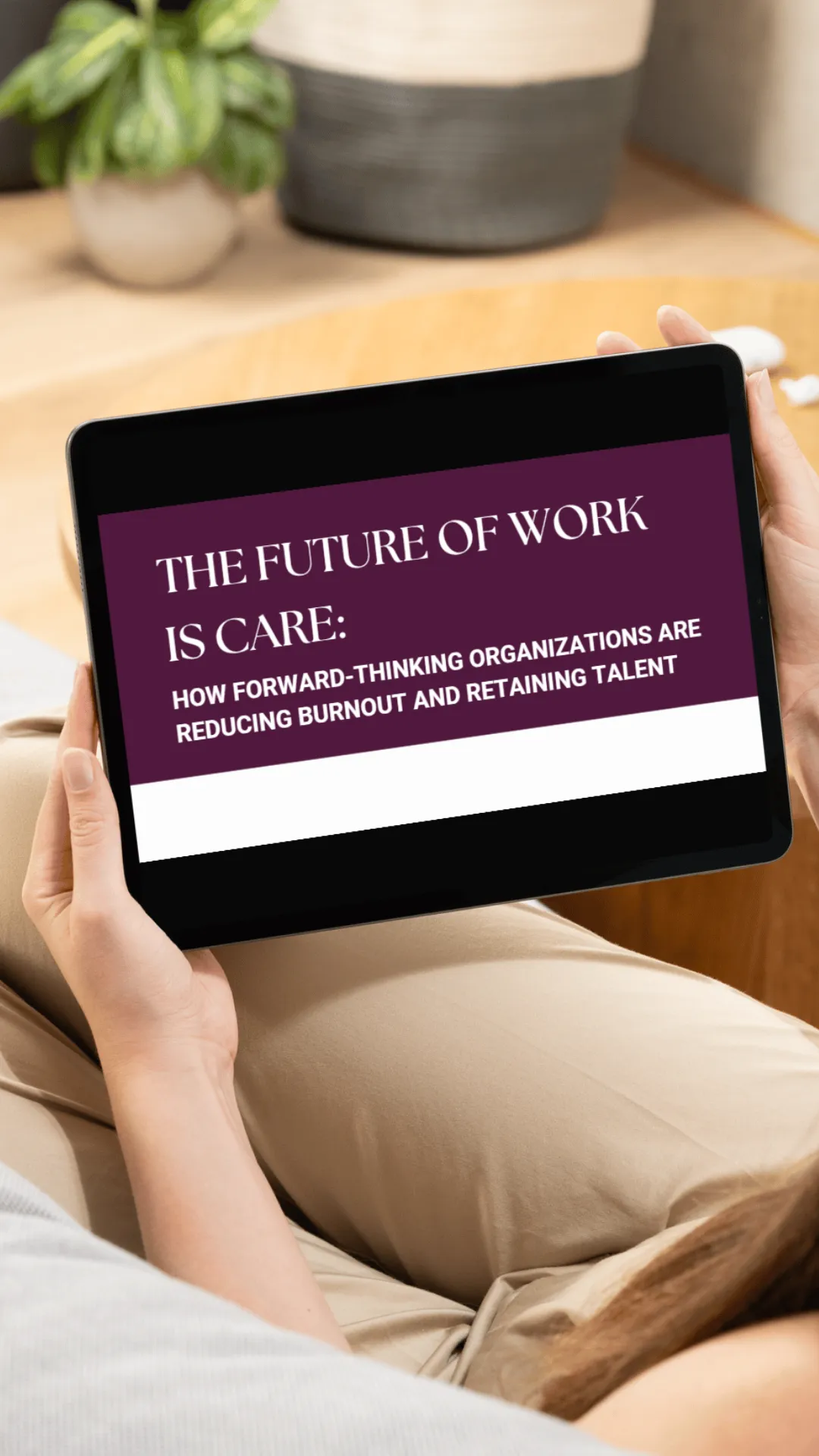
Watch my free training, The Future of Work Is Care, to explore practical leadership strategies grounded in the CARE framework.
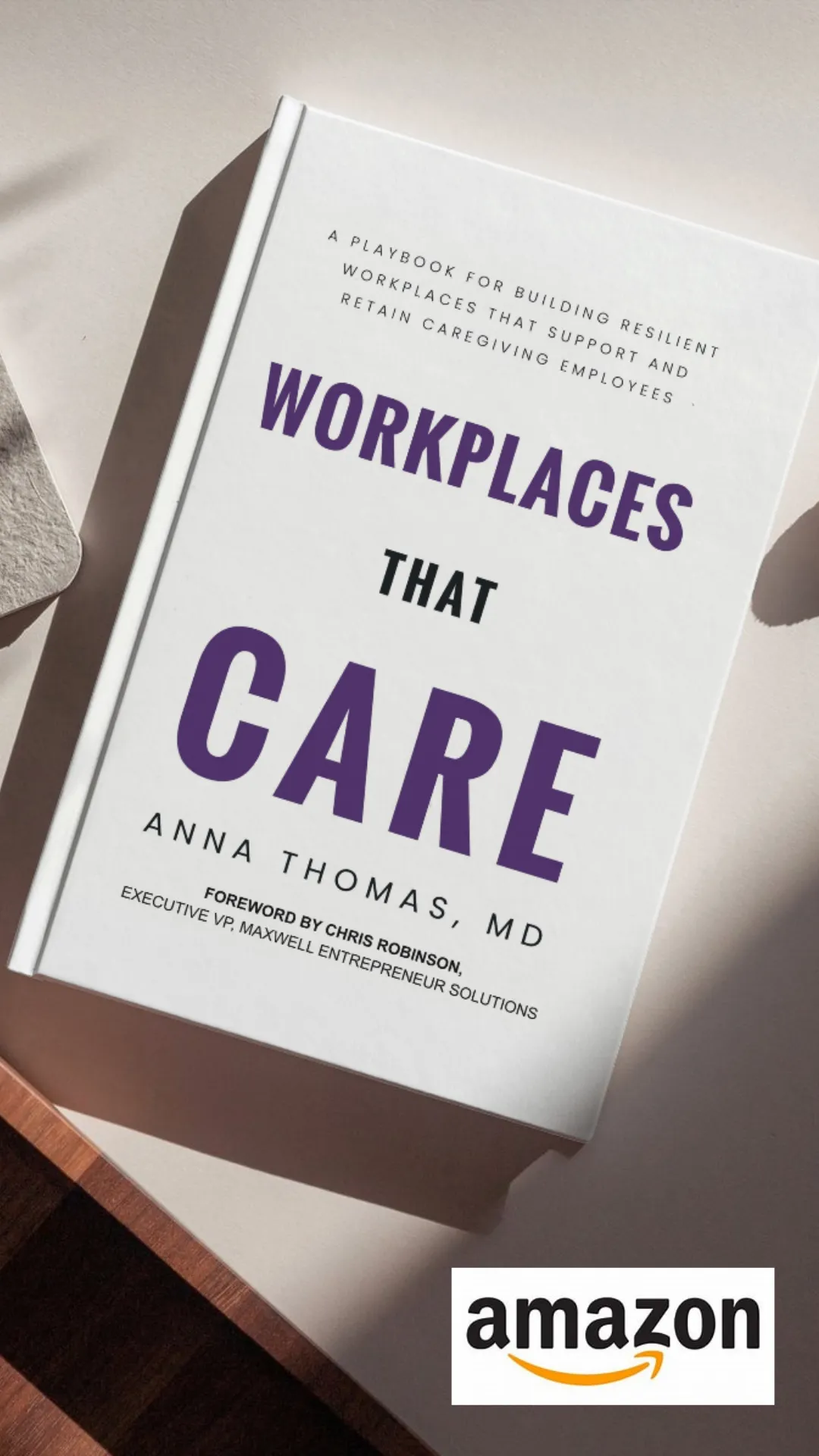
For a deeper exploration, discover my book, Workplaces That Care.
Because caregiver inclusion isn't about making exceptions. It's about creating workplaces that reflect the realities of modern life.