How to Prevent Manager Burnout While Leading With Care
How to Prevent Manager Burnout While Leading With Care
Why supporting employees must also mean supporting the leaders responsible for their wellbeing.
Organizations are asking managers to lead with greater empathy, flexibility, and understanding.
They're expected to support employees balancing caregiving responsibilities, respond to wellbeing concerns, adjust schedules, manage team dynamics, and maintain performance.
But an important question is often overlooked:
Who is supporting the managers?
Managers occupy a challenging position between organizational expectations and employee needs. They are responsible for delivering results while helping employees navigate increasingly complex personal and professional responsibilities.
And many managers are caregivers themselves.
When organizations expect managers to lead with care without providing the necessary resources, guidance, and support, they risk creating another workplace wellbeing problem: manager burnout.
Preventing manager burnout requires more than encouraging self-care. It requires building systems that make compassionate leadership sustainable.
Why Manager Burnout Is an Organizational Issue
Manager burnout is often approached as an individual challenge.
Organizations may encourage managers to practice better time management, establish boundaries, or prioritize personal wellbeing.
While these practices can be helpful, they don't always address the organizational conditions contributing to excessive demands.
Consider what managers may be navigating:
Adjusting schedules to accommodate caregiving responsibilities.
Maintaining productivity while managing staffing gaps.
Supporting employees through difficult personal circumstances.
Addressing workplace stress and team conflicts.
Implementing policies that may lack clear guidance.
Meeting performance expectations despite increasing responsibilities.
These demands can create competing priorities that are difficult to manage without adequate support.
When organizations increase expectations for compassionate leadership without adjusting resources or responsibilities, they may unintentionally transfer pressure from employees to managers.
This isn't a sustainable approach to workplace wellbeing.
1. Give Managers Clear Policies and Decision-Making Authority
One of the most practical ways to reduce manager stress is to eliminate unnecessary uncertainty.
Managers shouldn't have to guess what flexibility they can offer employees or whether their decisions will be supported by leadership.
Unclear policies can create inconsistent employee experiences and additional pressure on managers.
HR and executive leaders can address this by establishing:
Clear guidelines for workplace flexibility and caregiver support.
Defined boundaries for managerial decision-making.
Consistent procedures for reviewing employee requests.
Accessible HR contacts for complex situations.
Transparent escalation pathways when additional guidance is needed.
When managers understand their responsibilities and authority, they are better equipped to respond consistently and confidently.
Clarity is a form of organizational support.
2. Train Managers to Lead With Empathy Without Taking On Everything
Compassionate leadership is essential to a supportive workplace culture.
But empathy should not require managers to become counselors, therapists, or personal problem-solvers for every employee challenge.
Managers need practical skills that allow them to listen, respond appropriately, and connect employees with available resources.
Effective leadership development can include:
Supportive conversations: Training managers to acknowledge employee concerns while maintaining professional boundaries.
Coaching questions: Helping managers focus on workable adjustments and shared expectations.
Resource awareness: Ensuring managers understand available employee support programs.
Escalation guidance: Clarifying when additional HR or organizational involvement is appropriate.
Boundary-setting: Teaching managers to recognize the difference between providing support and assuming responsibility for solving personal circumstances.
The goal is not to make managers less compassionate.
It's to make compassionate leadership sustainable.
3. Create Support Systems for Managers Themselves
Managers are often expected to create psychologically supportive environments for their teams.
Yet they also need opportunities to discuss challenges, seek guidance, and receive support.
Organizations can create this infrastructure through:
Manager peer-support groups.
Leadership coaching and mentoring.
Regular check-ins with senior leadership.
Opportunities to discuss workload concerns.
Access to appropriate wellbeing resources.
These systems can help managers navigate difficult leadership situations without feeling solely responsible for resolving them.
Peer discussions should also respect employee confidentiality and organizational privacy expectations.
Manager support should be a normal part of leadership development—not something offered only after problems emerge.
4. Align Workloads With Caregiving Support Responsibilities
Supporting employees takes time.
When a manager is coordinating multiple flexible schedules, addressing team concerns, or helping employees access support, these responsibilities become part of the manager's actual workload.
But organizations don't always account for this work when setting performance expectations.
That creates a potential mismatch between what managers are expected to accomplish and the resources available to them.
HR and executive leaders should consider:
Reviewing managerial spans of responsibility.
Assessing administrative and coordination demands.
Providing additional coverage when workloads increase.
Adjusting priorities when new responsibilities are introduced.
Evaluating whether performance measures reflect actual leadership demands.
Workload adjustments don't necessarily mean lowering standards.
They mean ensuring expectations remain realistic and aligned with available resources.
You cannot build a sustainable culture of care on unsustainable workloads.
5. Recognize and Reward Care-Focused Leadership
Organizations often recognize managers for measurable business results.
But the leadership behaviors that support employee wellbeing may receive less attention.
Listening carefully, communicating respectfully, maintaining fairness, and helping teams navigate challenging circumstances all require effort.
If organizations expect these behaviors, they should also acknowledge them.
This can include integrating supportive leadership practices into:
Leadership competency frameworks.
Manager development conversations.
Performance evaluations.
Recognition programs.
Leadership succession planning.
The objective is to reinforce that effective leadership includes both organizational performance and the ability to support people responsibly.
When care-focused leadership becomes part of how organizations define success, managers receive a clearer message about what matters.
6. Remember That Managers Are Caregivers Too
One of the most overlooked aspects of manager wellbeing is that managers may be managing caregiving responsibilities outside work.
They may be raising children, supporting aging parents, coordinating family care, or helping loved ones navigate health challenges.
These responsibilities don't disappear when someone enters a leadership role.
Yet managers may hesitate to acknowledge their own support needs because they feel responsible for being consistently available to others.
Organizations should ensure that caregiver-inclusive policies apply to managers as well as the employees they supervise.
This includes equitable access to flexibility, clear expectations, and opportunities to request support.
Leadership responsibility should not mean losing access to the workplace care systems available to everyone else.
How the CARE Framework Can Support Managers
Preventing manager burnout connects naturally to the CARE framework:
Culture: Establish an environment where manager wellbeing is valued alongside employee wellbeing and business performance.
Awareness: Help leaders recognize workload pressures, available support, and the challenges managers are navigating.
Resources: Provide clear policies, coaching, practical tools, and appropriate organizational support.
Empowerment: Give managers the authority, guidance, and capacity to make sustainable decisions.
Together, these dimensions encourage organizations to move beyond asking managers to demonstrate more empathy toward building systems that support compassionate leadership.
The Bottom Line: You Can't Build a Culture of Care by Burning Out Your Managers
Supporting employee caregivers is important.
But support cannot depend on managers continually absorbing additional pressure without the resources or authority to manage it.
Organizations need to equip managers with clear expectations, practical training, supportive leadership structures, and realistic workloads.
They also need to recognize managers as employees with their own responsibilities and wellbeing needs.
A culture of care must include the people responsible for delivering that care.
The future of work will continue to evolve through AI, automation, and new ways of working.
But effective leadership will still require human understanding, organizational clarity, and sustainable support.
The future of work is still human. Let's create workplaces that care.
Take the Next Step
I'm Dr. Anna Thomas, physician, leadership speaker, two-time TEDx presenter, caregiver advocate, and corporate wellness specialist.
I help organizations strengthen workforce wellbeing and create workplaces where people and performance thrive together.
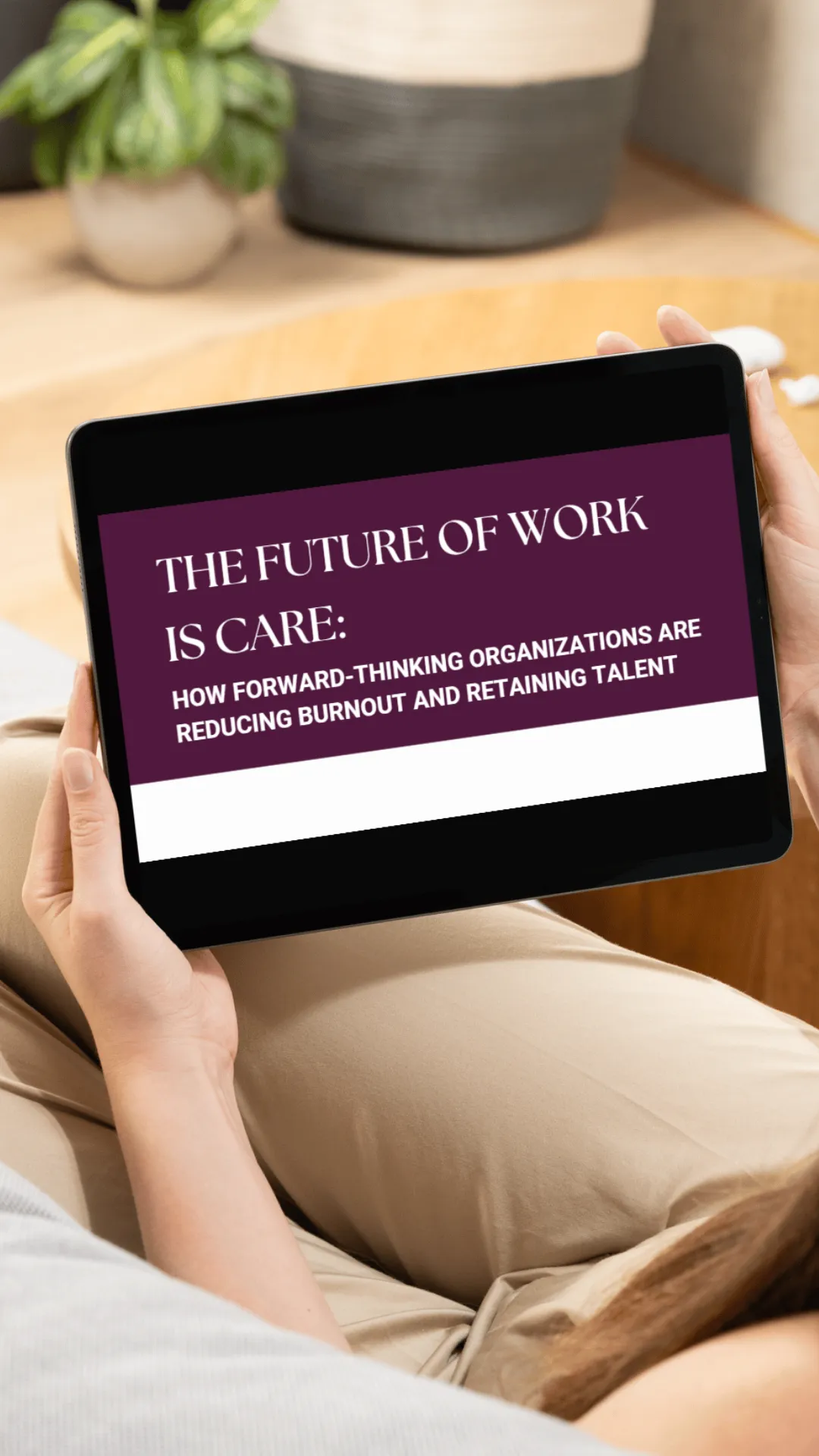
Watch my free training, The Future of Work Is Care:
https://www.workplacesthatcare.com/home
Explore practical strategies for creating supportive workplaces through the CARE framework.
Get my book, Workplaces That Care:
Discover how leaders can strengthen workplace culture, support employee wellbeing, and create environments where people and performance thrive together.